

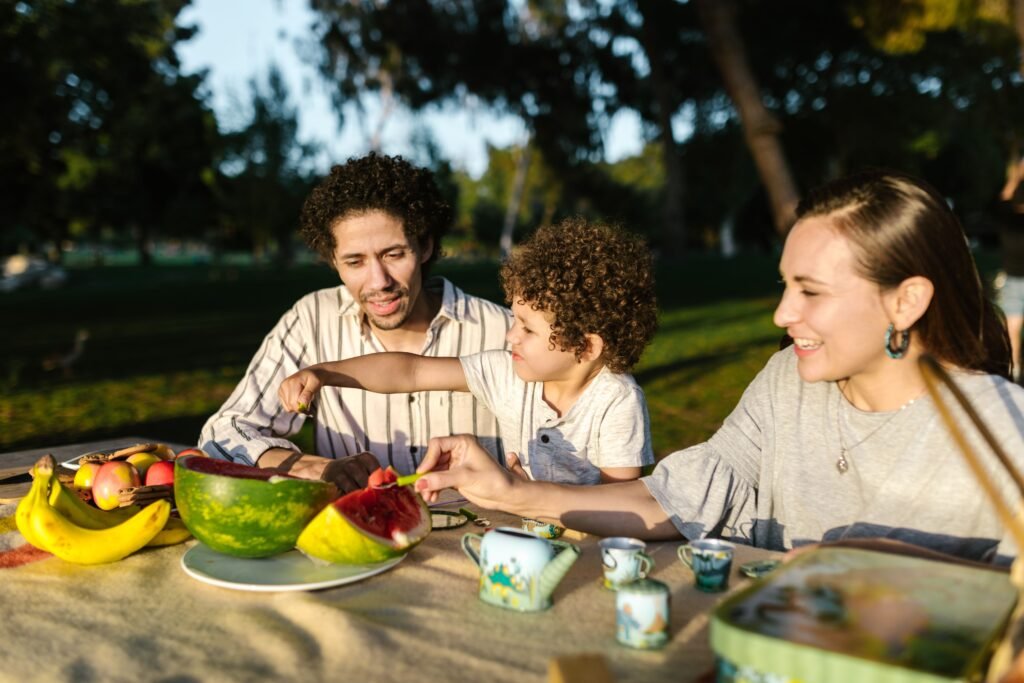
🧑🍼Positive Parenting Habits to Maintain a Child’s Structured Well-Being
Parenting is one of life’s greatest responsibilities and most rewarding journeys. Every word, action, and habit of a parent influences a child’s emotional, physical, social, and intellectual development. While no parent is perfect, practicing positive parenting habits can create a nurturing environment where children feel safe, valued, and encouraged to become confident, responsible, and compassionate individuals. Positive parenting is not about strict control or giving children everything they want. Instead, it is about guiding them with love, consistency, patience, and understanding.
A child’s well-being depends on more than good grades or material comforts. True well-being includes emotional security, healthy relationships, physical health, confidence, discipline, and the ability to face life’s challenges with resilience. Parents who establish healthy routines and positive habits help children develop a structured lifestyle that supports lifelong happiness and success.
Understanding Positive Parenting
Positive parenting focuses on building a strong relationship between parents and children through respect, communication, encouragement, and consistent guidance. Rather than relying on fear or punishment, positive parenting teaches children to understand the consequences of their actions while helping them develop self-control and good decision-making skills.
Children learn by observing the adults around them. When parents demonstrate kindness, honesty, patience, and responsibility, children naturally begin to imitate those behaviors. Every family interaction becomes an opportunity to teach valuable life lessons.
Positive parenting creates an atmosphere where children feel comfortable expressing their emotions, asking questions, making mistakes, and learning from them without fear of rejection.
Build a Foundation of Love and Security
Every child needs to know they are loved unconditionally. Love creates emotional security, allowing children to grow with confidence and optimism.
Simple daily actions strengthen this bond:
- Giving warm hugs.
- Listening attentively.
- Speaking kindly.
- Celebrating achievements.
- Comforting children during difficult moments.
- Spending quality time together.
When children feel emotionally secure, they become more willing to explore new opportunities, solve problems independently, and build healthy relationships with others.
A loving home becomes the foundation upon which lifelong confidence is built.
Establish Consistent Daily Routines
Children thrive in structured environments because routines provide predictability and stability.
Healthy daily routines may include:
- Waking up at a regular time.
- Eating nutritious meals together.
- Completing homework before leisure activities.
- Having designated playtime.
- Reading before bedtime.
- Going to sleep at a consistent hour.
Consistent routines reduce anxiety because children know what to expect throughout the day.
Over time, these routines become positive habits that encourage responsibility, discipline, and time management.
Encourage Open Communication
Healthy communication strengthens trust between parents and children.
Rather than asking only, “How was school?” encourage meaningful conversations by asking:
- What made you smile today?
- Did you learn something interesting?
- Was there anything difficult today?
- How did you help someone today?
Allow children to express their feelings without interrupting or immediately judging them.
Listening carefully teaches children that their thoughts and emotions matter.
When children know they can speak openly with their parents, they are more likely to seek guidance during difficult situations.
Teach by Example
Children pay close attention to their parents’ behavior.
If parents speak respectfully, children learn respect.
If parents apologize after making mistakes, children understand humility.
If parents demonstrate honesty, responsibility, and kindness, children naturally adopt these values.
Actions influence children more powerfully than words alone.
Parents who consistently model positive habits become their children’s first and most important role models.
Encourage Healthy Eating Habits
Proper nutrition plays a vital role in physical growth, concentration, emotional stability, and overall well-being.
Parents can encourage healthy eating by:
- Preparing balanced meals.
- Eating together as a family.
- Including fruits and vegetables daily.
- Limiting sugary snacks.
- Teaching children about nutritious food choices.
Instead of forcing children to eat, involve them in meal preparation.
Helping wash vegetables, mix ingredients, or set the table makes healthy eating more enjoyable and educational.
Promote Physical Activity
Regular movement supports healthy growth while improving mood and confidence.
Encourage activities such as:
- Cycling.
- Walking.
- Swimming.
- Playing outdoor games.
- Dancing.
- Sports.
- Family hikes.
Physical activity also teaches teamwork, perseverance, discipline, and healthy competition.
Active children often experience improved concentration, better sleep, and increased emotional resilience.
Limit Excessive Screen Time
Technology offers educational opportunities, but excessive screen use may interfere with sleep, physical activity, and family interaction.
Parents can create healthy boundaries by:
- Establishing screen-free meal times.
- Encouraging outdoor play.
- Reading books together.
- Playing board games.
- Engaging in creative hobbies.
Balanced technology use helps children develop stronger communication skills and healthier lifestyles.
Teach Responsibility Through Small Tasks
Assigning age-appropriate responsibilities helps children develop independence and confidence.
Examples include:
- Making their bed.
- Organizing toys.
- Watering plants.
- Feeding pets.
- Setting the dinner table.
- Packing their school bag.
Completing small responsibilities teaches accountability while giving children a sense of accomplishment.
Praise their efforts rather than expecting perfection.
Encourage Reading Every Day
Reading expands vocabulary, imagination, creativity, and critical thinking.
Parents can encourage reading by:
- Creating a small home library.
- Reading bedtime stories.
- Visiting local libraries.
- Discussing favorite books.
- Allowing children to choose reading materials.
Reading together also strengthens emotional bonds while developing lifelong learning habits.
Children who enjoy reading often perform better academically and communicate more effectively.
Help Children Develop Emotional Intelligence
Emotional intelligence involves recognizing, understanding, and managing emotions.
Teach children to:
- Identify their feelings.
- Express emotions respectfully.
- Practice empathy.
- Solve conflicts peacefully.
- Apologize sincerely.
- Forgive others.
Instead of dismissing sadness or frustration, acknowledge those emotions.
For example:
“I understand you’re disappointed. Let’s talk about what happened.”
Such conversations help children build emotional resilience and self-awareness.
Praise Effort Instead of Perfection
Children gain confidence when parents recognize their hard work rather than only the final result.
Instead of saying:
“You’re the smartest.”
Say:
“I’m proud of how hard you worked.”
This encourages a growth mindset.
Children learn that improvement comes through effort, practice, and persistence rather than natural talent alone.
They become more willing to face challenges without fearing failure.
Teach Gratitude
Gratitude helps children appreciate what they have while developing kindness and generosity.
Simple gratitude habits include:
- Saying thank you.
- Writing gratitude journals.
- Helping neighbors.
- Donating unused toys.
- Appreciating teachers.
- Expressing love to family members.
Grateful children often develop stronger emotional well-being and healthier relationships.
Foster Independence
Positive parenting prepares children to become capable adults.
Allow children to make age-appropriate decisions.
Let them choose clothing, organize homework schedules, or solve simple problems independently.
Offer guidance when necessary without solving every challenge for them.
Independence builds confidence and decision-making skills.
Children who learn responsibility early often become more resilient later in life.
Inspire Through Real-Life Role Models
Many respected individuals have spoken about the importance of supportive parenting in shaping their success.
1. Michelle Obama
Michelle Obama has often shared how her parents emphasized education, respect, hard work, and kindness. Their consistent support helped build her confidence and determination throughout her life.
2. Malala Yousafzai
Malala frequently credits her father’s encouragement and belief in her abilities as a major source of strength. His positive parenting empowered her to pursue education despite enormous challenges.
3. Sachin Tendulkar
Sachin Tendulkar has spoken about the values his parents instilled in him, including humility, discipline, and respect. These qualities contributed not only to his sporting success but also to his character.
4. Emma Watson
Emma Watson has expressed appreciation for her family’s encouragement toward education, independence, and personal growth. Their guidance helped her balance fame with lifelong learning.
5. LeBron James
LeBron James often reflects on the sacrifices his mother made while raising him under difficult circumstances. Her resilience, encouragement, and unwavering love inspired him to overcome adversity and achieve remarkable success.
These examples show that positive parenting shapes not only successful careers but also compassionate and resilient individuals.
Create Meaningful Family Traditions
Family traditions provide children with stability and cherished memories.
These traditions may include:
- Weekly family dinners.
- Game nights.
- Evening walks.
- Holiday celebrations.
- Volunteer activities.
- Cooking together every weekend.
Shared experiences strengthen family bonds while giving children a sense of belonging.
These memories often remain with them throughout adulthood.
Encourage Problem-Solving
Instead of immediately fixing every problem, guide children to think independently.
Ask questions like:
- What do you think would help?
- Can you think of another solution?
- What have you learned from this experience?
Problem-solving develops confidence, creativity, and resilience.
Children become better equipped to handle future challenges responsibly.
Practice Patience During Mistakes
Children naturally make mistakes while learning.
Rather than reacting with anger, use mistakes as teaching opportunities.
Calmly explain what happened.
Discuss better choices.
Encourage improvement.
Children who feel supported during difficult moments are more likely to develop honesty and self-confidence.
Fear of harsh punishment often discourages open communication.
Patience builds trust.
Protect Mental and Emotional Well-Being
A structured lifestyle includes caring for children’s mental health.
Encourage:
- Adequate sleep.
- Relaxation.
- Creative hobbies.
- Outdoor activities.
- Positive friendships.
- Open conversations about emotions.
Pay attention to signs of stress or anxiety and provide reassurance when needed.
Emotionally healthy children are more capable of handling academic, social, and personal challenges.
Celebrate Small Achievements
Every milestone deserves recognition.
Celebrate:
- Learning a new skill.
- Finishing a book.
- Showing kindness.
- Improving behavior.
- Completing responsibilities.
- Trying something new.
These celebrations reinforce positive habits while motivating children to continue growing.
Recognition does not require expensive rewards.
Sometimes a sincere compliment, a handwritten note, or extra family time means far more.
Be Consistent with Boundaries
Children need both freedom and guidance.
Clear boundaries help them understand expectations while feeling secure.
Rules should be fair, explained calmly, and applied consistently.
Consistency teaches responsibility and fairness.
Children are less confused when expectations remain stable.
Loving discipline helps them develop self-control rather than fear.
Conclusion
Positive parenting is one of the greatest gifts parents can offer their children. Through love, consistency, patience, communication, and positive daily habits, parents create a structured environment where children can grow into confident, responsible, compassionate, and emotionally healthy individuals. Every encouraging word, shared meal, bedtime story, family tradition, and lesson in kindness becomes a building block for lifelong well-being.
Remember that perfect parenting does not exist. What matters most is showing up every day with love, understanding, and a willingness to guide rather than control. Small, consistent parenting habits create lasting impacts that extend far beyond childhood. As children grow within a supportive and structured home, they develop the confidence to face challenges, the resilience to overcome setbacks, and the values to contribute positively to the world. By nurturing their physical, emotional, and intellectual well-being, parents lay the foundation for a future filled with purpose, happiness, strong relationships, and lifelong success.