

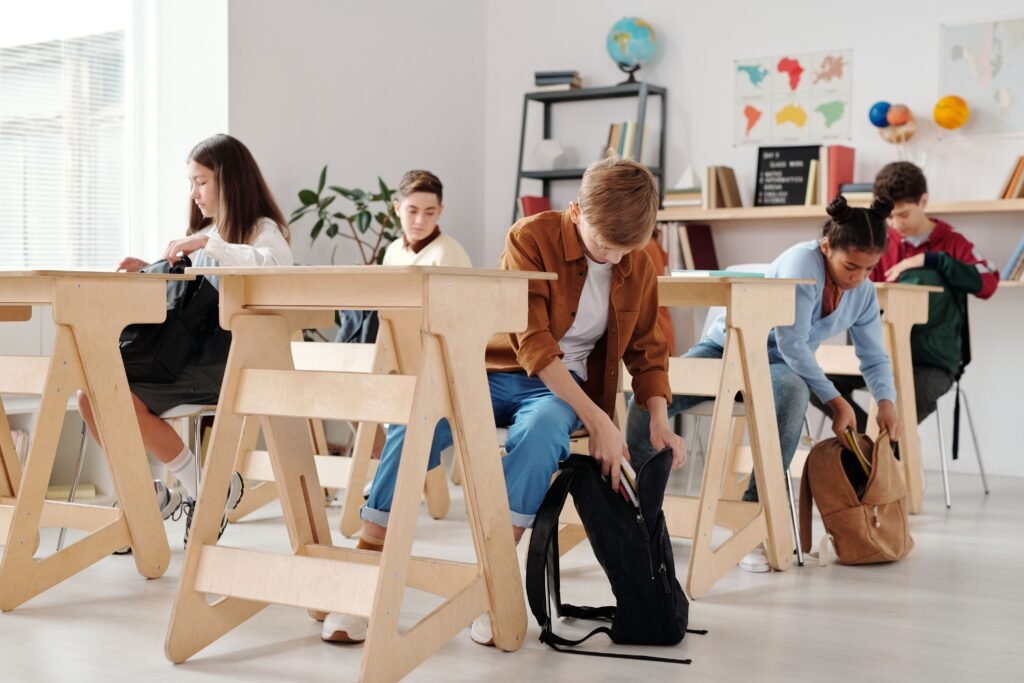
🎒 Managing ‘School’ Work & Routine of Children Wonderfully with a Positive Mindset
A child’s school years are among the most important stages of life. During this period, children develop not only academic skills but also confidence, discipline, creativity, social abilities, and emotional intelligence. A well-planned daily routine helps children enjoy learning rather than feeling burdened by it. When parents and caregivers create a positive environment filled with encouragement, consistency, and balance, children naturally become more responsible and enthusiastic about school.
The goal of a healthy routine is not to make children study all day. Instead, it is about balancing learning, nutritious meals, playtime, rest, hobbies, and family bonding. Children who follow a structured yet flexible routine usually perform better academically while remaining physically active and emotionally happy.
Why a Proper School Routine Matters
A consistent routine helps children:
- 📚 Improve concentration and learning abilities.
- 😊 Reduce stress and anxiety.
- ⏰ Learn time management from an early age.
- 💪 Build self-discipline and responsibility.
- ❤️ Develop healthy eating and sleeping habits.
- 🎯 Complete homework without rushing.
- 🤝 Enjoy family time without conflicts.
- 🌟 Feel confident and motivated every day.
Children thrive when they know what comes next. Predictability creates a sense of security and makes daily responsibilities easier to handle.
Start Every Morning Positively
Morning habits often determine how the rest of the day unfolds.
A positive morning routine includes:
- Wake up at the same time daily.
- Open curtains for natural sunlight.
- Make the bed.
- Brush teeth and wash up.
- Drink a glass of water.
- Stretch for 5–10 minutes.
- Eat a nutritious breakfast.
- Pack the school bag the night before.
- Leave home without rushing.
Avoid shouting or creating stressful situations in the morning. Calm beginnings create calmer children.
Build a Daily Routine That Children Enjoy
Instead of forcing routines, involve children in creating them.
For example:
Morning
- Wake up
- Get ready
- Healthy breakfast
- School
Afternoon
- Lunch
- Relax for 20–30 minutes
- Homework
- Outdoor play
Evening
- Family dinner
- Reading
- Prepare for tomorrow
- Sleep on time
When children help design their schedules, they feel responsible for following them.
Homework Should Never Feel Like Punishment
Homework reinforces classroom learning, but it should not become a daily battle.
Parents can help by:
- Providing a quiet study area.
- Keeping school supplies organized.
- Removing distractions like television.
- Encouraging independence before offering help.
- Praising effort rather than only correct answers.
- Breaking large assignments into smaller tasks.
Instead of saying:
“Finish your homework now!”
Try saying:
“Let’s finish your homework so you’ll have plenty of time to play later.”
Positive language motivates children far more effectively.
Ideal Homework Time
Many education experts recommend approximately:
| Age | Homework Time |
|---|---|
| 5–7 years | 20–30 minutes |
| 8–10 years | 45–60 minutes |
| 11–13 years | 60–90 minutes |
| Teenagers | 1.5–2 hours depending on assignments |
If homework extends beyond these times regularly, short breaks every 25–30 minutes can improve concentration.
Healthy Food Timing Throughout the Day
Nutrition directly affects memory, concentration, mood, and energy.
A balanced eating schedule might look like this:
Breakfast (Before School)
Include:
- Eggs
- Whole-grain bread
- Milk
- Yogurt
- Oatmeal
- Fruits
Breakfast fuels the brain for learning.
Mid-Morning Snack
Healthy options:
- Apple slices
- Banana
- Nuts (if appropriate)
- Cheese cubes
- Homemade sandwiches
Avoid excessive sugary snacks.
Lunch
A balanced meal should include:
- Lean protein
- Vegetables
- Whole grains
- Water
A nutritious lunch keeps children energized throughout the afternoon.
Evening Snack
Offer:
- Smoothies
- Fruit salad
- Popcorn (lightly seasoned)
- Yogurt
- Homemade muffins
Dinner
Dinner should be light but nutritious:
- Vegetables
- Rice or whole grains
- Chicken or fish
- Soup
- Salad
Avoid heavy sugary desserts before bedtime.
Importance of Hydration
Many children forget to drink water.
Encourage them to:
- Carry a water bottle.
- Drink before school.
- Drink during play.
- Drink after homework.
- Drink before bedtime (without overdoing it).
Proper hydration improves attention and reduces fatigue.
How Much Time Should Children Study?
Quality matters more than quantity.
General recommendations:
- Preschool: Learning through play.
- Primary school: 30–60 minutes after school.
- Middle school: 1–1.5 hours.
- High school: 2–3 hours depending on workload.
Studying continuously for long periods is less effective than focused sessions with breaks.
How Much Playtime Is Healthy?
Play is just as important as study.
Experts generally recommend at least 60 minutes of moderate to vigorous physical activity each day for school-aged children. This can include sports, cycling, running, dancing, or active outdoor games.
Benefits include:
- Better physical health
- Improved mood
- Stronger muscles and bones
- Better sleep
- Increased creativity
- Enhanced social skills
Children learn teamwork, patience, and problem-solving while playing.
Productive Activities Beyond Homework
Children benefit from activities that stimulate both mind and body.
Some excellent options include:
📖 Reading Books
Reading:
- Expands vocabulary.
- Improves imagination.
- Strengthens concentration.
- Builds empathy.
Even 20 minutes of daily reading can make a meaningful difference.
🎨 Arts and Crafts
Creative projects encourage:
- Fine motor skills
- Patience
- Problem-solving
- Self-expression
🎵 Music
Learning music helps develop:
- Memory
- Listening skills
- Creativity
- Discipline
🧩 Educational Puzzles
These improve:
- Logical thinking
- Observation
- Decision-making
- Concentration
🌱 Gardening
Simple gardening teaches:
- Responsibility
- Patience
- Care for nature
Watching plants grow can be both calming and rewarding.
🍳 Simple Cooking
Age-appropriate kitchen tasks help children learn:
- Measuring
- Following instructions
- Hygiene
- Healthy eating habits
Always supervise young children around heat and sharp tools.
🚴 Outdoor Activities
Ideas include:
- Cycling
- Walking
- Football
- Cricket
- Basketball
- Swimming (with supervision)
- Nature walks
Outdoor experiences reduce screen time and support overall well-being.
Limit Screen Time Wisely
Technology has educational value but should be balanced.
Tips:
- No devices during meals.
- Avoid screens at least one hour before bedtime.
- Prioritize homework before entertainment.
- Encourage educational apps over passive scrolling.
- Set family screen-time rules.
Children often follow the example adults set.
Create an Organized Study Space
A comfortable learning area should have:
- Good lighting
- Comfortable chair
- Organized supplies
- Minimal distractions
- A tidy desk
A clean space helps children focus and reduces frustration.
Teach Time Management
Simple tools can make routines easier:
- Wall calendars
- Weekly planners
- Color-coded schedules
- Homework checklists
- Timers for study sessions
Checking off completed tasks gives children a sense of accomplishment.
Encourage Independence
Instead of doing everything for children:
- Let them pack their school bag.
- Choose tomorrow’s clothes.
- Organize stationery.
- Check homework independently.
- Set their study desk.
Small responsibilities build confidence and life skills.
Make Learning Fun
Children learn best when they enjoy the process.
Try:
- Educational games
- Science experiments
- Flashcards
- Storytelling
- Quiz competitions
- Reward charts
- Family reading nights
Learning should feel like exploration, not pressure.
Build Emotional Confidence
Academic success is closely linked to emotional well-being.
Parents can help by:
- Listening patiently.
- Celebrating effort.
- Avoiding comparisons with siblings or classmates.
- Encouraging questions.
- Allowing mistakes as learning opportunities.
A child who feels emotionally secure is more willing to try new challenges.
Sleep Is Essential for Learning
School-aged children generally need about 9–12 hours of sleep (depending on age), while teenagers often need 8–10 hours. Adequate sleep supports memory, attention, emotional regulation, and physical growth.
A bedtime routine may include:
- Warm bath
- Reading
- Quiet conversation
- Prayer or gratitude
- Lights off at the same time nightly
Avoid stimulating screen use just before bed.
Sample Balanced Daily Routine
| Time | Activity |
|---|---|
| 6:30 AM | Wake up & freshen up |
| 7:00 AM | Healthy breakfast |
| 7:30 AM | School |
| 2:30 PM | Lunch |
| 3:00 PM | Rest |
| 3:30 PM | Homework |
| 4:30 PM | Healthy snack |
| 5:00 PM | Outdoor play |
| 6:30 PM | Reading or hobby |
| 7:30 PM | Family dinner |
| 8:00 PM | Prepare for school |
| 8:30 PM | Relaxation |
| 9:00 PM | Sleep (adjust timing based on the child’s age) |
Common Mistakes Parents Should Avoid
❌ Comparing children with others.

❌ Overscheduling every minute of the day.
❌ Using homework as punishment.
❌ Ignoring the importance of play.
❌ Allowing irregular sleep schedules.
❌ Offering excessive sugary snacks.
❌ Constant criticism instead of encouragement.
❌ Doing children’s homework for them.
Positive Habits to Build Every Day
Encourage children to:
- 🌞 Wake up with a smile.
- 🙏 Practice gratitude.
- 📚 Read something new.
- 💧 Drink enough water.
- 🍎 Eat healthy meals.
- 🏃 Stay physically active.
- 🤝 Show kindness and respect.
- 🎯 Complete tasks before leisure.
- 🧹 Keep their study area tidy.
- 😴 Sleep on time.
These simple habits gradually become lifelong strengths.
Final Thoughts
Managing schoolwork and daily routines is not about creating a strict timetable—it is about helping children develop healthy habits that support learning, happiness, and overall well-being. A balanced routine that includes quality study time, nutritious meals, active play, restful sleep, and meaningful family interaction allows children to grow into confident, responsible, and enthusiastic learners.
Every child is unique, so routines should remain flexible enough to suit individual personalities, ages, and interests. Celebrate progress rather than perfection, encourage curiosity over pressure, and remember that joyful learning leaves the deepest and most lasting impression. By combining structure with warmth, parents and caregivers can create an environment where children not only succeed in school but also enjoy the journey of learning every single day.