

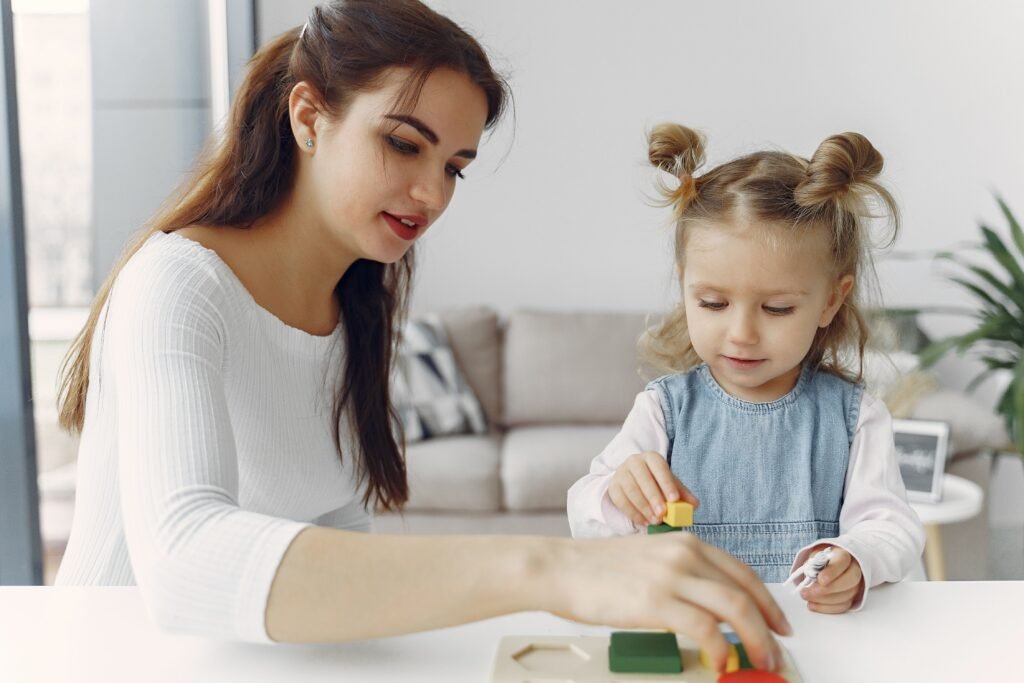
👶💖 Why ‘Babysitting’ Is an Inspiring Job for Self-Growth & Learning
“Every child you care for teaches you something new about patience, kindness, creativity, and yourself.” 🌈✨
Babysitting is often seen as a simple part-time job, but in reality, it is one of the most rewarding experiences for personal and professional growth. Caring for children requires responsibility, empathy, creativity, problem-solving, communication, and emotional intelligence—qualities that are valuable in every career and every stage of life.
Whether you’re a teenager earning your first income, a college student developing life skills, an adult seeking flexible work, or a retiree who enjoys spending time with children, babysitting offers opportunities to learn, grow, and positively influence young lives.
Beyond watching children, babysitters become role models, storytellers, teachers, caregivers, and trusted companions. Every day presents a chance to inspire curiosity, encourage good habits, and create joyful memories while developing lifelong skills.
Let’s explore why babysitting is an inspiring journey for self-development and how to become an exceptional caregiver.
🌟 Why Babysitting Is More Than Just a Job
Babysitting teaches responsibility in ways few other jobs can.
It helps you develop:
👶 Compassion
❤️ Patience
🧠 Problem-solving
🗣️ Communication
🤝 Leadership
⏰ Time management
🎨 Creativity
😊 Emotional intelligence
These skills transfer into education, careers, parenting, volunteering, and community service.
🌱 Personal Growth Through Babysitting
❤️ Develops Patience
Children learn at their own pace and express emotions honestly.
A babysitter learns to:
✨ Stay calm
✨ Listen carefully
✨ Respond gently
✨ Handle unexpected situations
Patience becomes a valuable life skill in every relationship.
😊 Builds Confidence
Successfully caring for children increases self-belief.
You become more confident in:
✔ Decision-making
✔ Communication
✔ Leadership
✔ Managing responsibility
Each positive experience strengthens your ability to handle new challenges.
💬 Improves Communication Skills
Babysitters communicate with:
👶 Children
👩 Parents
👨 Family members
🧸 Teachers (when appropriate)
Learning to explain ideas clearly, listen actively, and provide updates builds excellent interpersonal skills.
❤️ Teaches Empathy
Every child has unique emotions, interests, and needs.
Babysitting helps you:
🌸 Understand feelings
🤗 Offer comfort
💖 Encourage confidence
🧩 Respect different personalities
Empathy improves both personal and professional relationships.
💼 Professional Benefits of Babysitting
Many employers value babysitting experience because it demonstrates:
✔ Reliability
✔ Responsibility
✔ Leadership
✔ Initiative
✔ Adaptability
✔ Conflict resolution
✔ Organizational skills
✔ Safety awareness
These qualities are beneficial in education, healthcare, customer service, hospitality, management, and many other careers.
🩺 Health & Well-Being Benefits
Although babysitting is not a medical treatment, it can positively influence overall well-being.
🚶 Encourages Physical Activity
Playing games, walking to the park, dancing, or participating in outdoor activities keeps both children and babysitters active.
😊 Supports Mental Well-Being
Positive interactions with children, laughter, creative play, and meaningful connections can help reduce stress and improve mood for many people.
🧠 Keeps the Mind Active
Planning activities, solving problems, reading stories, and answering children’s questions stimulate memory, creativity, and critical thinking.
👨👩👧 Which Age Groups Are Best Suited for Babysitting?
The ideal babysitter depends on the child’s age, the babysitter’s maturity, experience, and local laws or employer requirements. The following are general guidelines.
👧 Teen Babysitters (Approximately 14–17 Years, where legally permitted)
Best suited for:
- 👶 School-aged children (about 5–10 years)
- 🎨 Children who can communicate their needs clearly
Should ideally:
- Be supervised or easily reachable by parents
- Know basic safety rules
- Have completed a babysitting or first-aid course if available
🎓 Young Adults (18–25 Years)
Well suited for:
- 👶 Infants (with proper experience)
- 🍼 Toddlers
- 👧 Young children
- 👦 Older children
They often have the energy and flexibility to engage in active play and learning.
👩 Adults (26–55 Years)
Suitable for caring for:
- 👶 Newborns (with experience)
- 🍼 Babies
- 👧 Children
- 👦 Teenagers requiring supervision
Adults often bring greater experience, stability, and confidence in handling routines and emergencies.
👵 Older Adults (55+ Years)
Can be wonderful caregivers for:
- 👧 School-aged children
- 👦 Older children
Their patience, wisdom, storytelling, and nurturing approach can create meaningful relationships, provided they are physically comfortable with the child’s care needs.
👶 Caring for Different Age Groups
🍼 Newborns (0–12 Months)
Focus on:
- 🍼 Feeding
- 😴 Sleep routines
- 🧼 Hygiene
- ❤️ Gentle interaction
- 👀 Constant supervision
🚼 Toddlers (1–3 Years)
Need:
- 🎨 Sensory play
- 📚 Picture books
- 🏃 Safe movement
- 🍎 Healthy snacks
- 🤗 Positive guidance
Always supervise closely, as toddlers are naturally curious.
👧 Preschoolers (3–5 Years)
Enjoy:
- 🎭 Pretend play
- 🎨 Arts and crafts
- 🎵 Music
- 📖 Storytelling
- 🧩 Simple puzzles
Encourage sharing, kindness, and independence.
👦 School-Aged Children (6–12 Years)
Activities include:
- 📚 Homework support
- ⚽ Outdoor games
- ♟️ Board games
- 🔬 Science experiments
- 🎨 Creative projects
Give them opportunities to make age-appropriate choices.
🧑 Teenagers (13–17 Years)
Provide:
- 🗣️ Respectful conversations
- 📖 Study encouragement
- 🎯 Goal setting
- 🎮 Balanced recreation
Be supportive while respecting their growing independence.
🌈 Practical Ways to Excel at Babysitting
😊 1. Build Trust
Children feel secure when caregivers are:
- 😊 Friendly
- 🤝 Honest
- ❤️ Consistent
- 🌸 Respectful
👂 2. Listen Carefully
Pay attention to:
- Children’s feelings
- Parents’ instructions
- Allergies
- Daily routines
- Emergency contacts
🎨 3. Encourage Creative Play
Ideas include:
- 🎨 Painting
- ✂️ Crafts
- 🧩 Puzzles
- 🎭 Role-playing
- 🏰 Building blocks
Creativity supports learning and problem-solving.
📖 4. Read Together
Reading helps:
- 📚 Build vocabulary
- 🧠 Improve imagination
- ❤️ Strengthen emotional bonds
- 🌟 Encourage a love of learning
🍎 5. Offer Healthy Snacks
Choose options like:
- 🍌 Bananas
- 🍎 Apples
- 🥕 Carrot sticks
- 🥣 Yogurt
- 🥜 Nuts (only if age-appropriate and no allergies)
- 🧀 Cheese
- 🌾 Whole-grain crackers
Always follow the family’s dietary guidance.
🚶 6. Stay Active
Activities:
- ⚽ Ball games
- 🚲 Cycling (with safety gear)
- 🌳 Nature walks
- 💃 Dancing
- 🧘 Stretching
Outdoor play supports physical and emotional well-being.
⏰ 7. Maintain a Routine
A predictable schedule for meals, naps, homework, play, and bedtime helps children feel secure and reduces stress.
❤️ 8. Be a Positive Role Model
Children learn by observing adults.
Demonstrate:
- 🌸 Kindness
- 🤝 Respect
- 😊 Good manners
- 📚 Curiosity
- 💪 Responsibility
🎲 Fun Babysitting Activities
🎨 Finger painting
🧩 Puzzle time
🎵 Singing songs
📖 Storytelling
🏰 Building forts
🍪 Baking simple treats (with supervision)
🌼 Gardening
🔍 Treasure hunts
🎭 Puppet shows
🎲 Educational games
🚨 Handling Challenging Situations
😢 Child Is Crying
- Stay calm.
- Offer comfort.
- Check for hunger, tiredness, or discomfort.
- Contact parents if needed.
😡 Tantrums
- Speak softly.
- Stay patient.
- Keep everyone safe.
- Avoid shouting or harsh punishment.
🤝 Sibling Arguments
- Listen to both children.
- Encourage respectful communication.
- Help them find a fair solution.
💤 Bedtime Resistance
- Read a calming story.
- Dim the lights.
- Follow the family’s bedtime routine.
- Stay consistent and reassuring.
🧰 Essential Babysitting Kit
Keep items such as:
🎨 Coloring books
🖍️ Crayons
🧩 Small puzzles
📚 Storybooks
🧻 Tissues
🩹 Basic first-aid supplies
🧴 Hand sanitizer
🍎 Healthy snacks (if approved)
💧 Water bottle
📞 Emergency contact list
🚫 Mistakes to Avoid
❌ Leaving children unattended
❌ Ignoring parents’ instructions
❌ Excessive screen time
❌ Using harsh language
❌ Sharing personal information about the family
❌ Forgetting allergy or medication instructions
❌ Failing to prepare for emergencies
🌟 Skills You’ll Gain for Life
Babysitting strengthens:

🎯 Leadership
🗣️ Communication
🤝 Teamwork
❤️ Compassion
🧠 Critical thinking
📅 Organization
⏰ Time management
💡 Creativity
These skills are valuable in education, healthcare, business, customer service, and countless other professions.
💖 Final Thoughts
Babysitting is far more than earning extra income—it is an opportunity to make a meaningful difference in a child’s life while developing qualities that last a lifetime. Every story you read, every game you play, and every encouraging word you share helps children feel safe, valued, and inspired.
At the same time, babysitting nurtures your own personal growth by strengthening patience, empathy, confidence, responsibility, and communication. Professionally, it builds transferable skills that employers value across many industries, making it an excellent foundation for future careers.
Whether you are a teenager taking your first job, a college student building experience, an adult seeking flexible work, or a retiree sharing wisdom, babysitting offers countless opportunities to learn, serve, and grow. With kindness, preparation, and genuine care, you can create joyful memories, support healthy child development, and become a trusted role model who leaves a lasting positive impact on every family you help. 🌈👶💖