
🏡 Creating ‘Outdoor Living Spaces’ for a Refreshing Mind & Atmosphere
In today’s fast-paced world, many people spend most of their time indoors—working on computers, watching television, or using smartphones. While technology has made life more convenient, it has also reduced our connection with nature. Creating an outdoor living space is one of the simplest yet most effective ways to restore that connection. Whether it is a spacious backyard, a cozy balcony, a rooftop garden, or a small patio, a thoughtfully designed outdoor area can become a peaceful retreat that refreshes the mind, improves emotional well-being, and creates a healthier atmosphere for the whole family.
An outdoor living space is more than just a place to sit. It is an extension of your home where you can relax, spend quality time with loved ones, enjoy fresh air, and reconnect with nature. Even a small outdoor corner filled with plants, comfortable seating, and natural light can significantly improve your daily mood. By creating a welcoming environment outside your home, you encourage healthier habits, reduce stress, and build lasting memories.
The Importance of Outdoor Living Spaces
Nature has a remarkable ability to calm the mind and restore energy. Spending time outdoors helps reduce mental fatigue, improves concentration, and promotes relaxation. Fresh air, sunlight, greenery, and natural sounds all contribute to emotional balance and physical health.
An outdoor living space provides an escape from the constant demands of everyday life. Instead of feeling confined by walls and screens, you experience the openness of nature. Whether enjoying your morning coffee, reading a book, practicing yoga, or simply listening to birds sing, these quiet moments help refresh both mind and body.
Creating such a space also encourages families to spend more time together, strengthening relationships and reducing unnecessary screen time.
Start with Your Available Space
One common misconception is that outdoor living spaces require large gardens or expensive landscaping. In reality, any outdoor area can be transformed into a peaceful retreat.
You might have:
- A small balcony.
- A backyard.
- A rooftop terrace.
- A front porch.
- A courtyard.
- A patio.
- A garden corner.
The key is making the best use of the space you already have.
Begin by observing how sunlight moves throughout the day. Identify areas that receive pleasant morning light or cool afternoon shade. Planning around natural conditions helps create a comfortable environment throughout the year.
Choose Comfortable Seating
Comfort is one of the most important elements of any outdoor living space.
Choose seating that encourages relaxation, such as:
- Lounge chairs.
- Wooden benches.
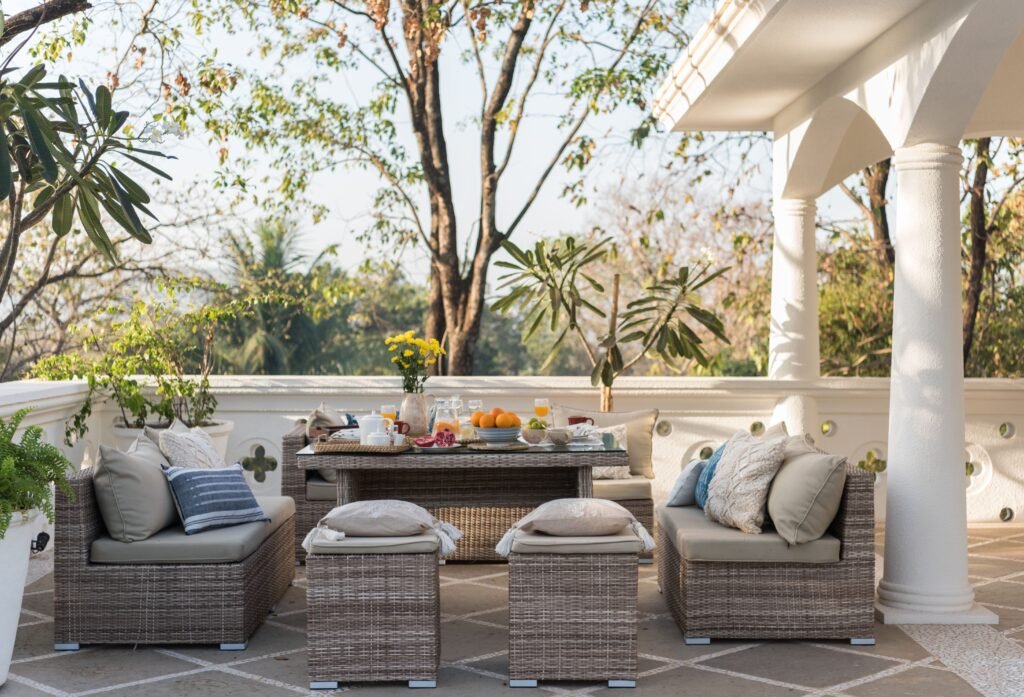
- Outdoor sofas.
- Swing chairs.
- Hammocks.
- Floor cushions.
- Picnic-style seating.
Add weather-resistant cushions and soft pillows to create a cozy atmosphere.
Comfortable seating invites people to spend more time outdoors reading, talking, or simply enjoying the peaceful surroundings.
Bring Nature Closer with Plants
Plants are the heart of every outdoor living space.
Greenery creates visual beauty while improving air quality and supporting emotional well-being.
Consider adding:
- Flowering plants.
- Evergreen shrubs.
- Hanging baskets.
- Herb gardens.
- Small fruit trees.
- Native plants.
- Decorative grasses.
Even a collection of potted plants can transform an ordinary balcony into a vibrant sanctuary.
Different plant heights, textures, and colors create visual interest while attracting butterflies, bees, and birds that bring life to the environment.
Create a Relaxing Color Palette
The colors you choose influence the mood of your outdoor area.
Natural shades such as:
- Green.
- Beige.
- Brown.
- White.
- Soft gray.
- Earth tones.
create a peaceful and refreshing atmosphere.
Bright flowers can add cheerful accents without overwhelming the space.
Using harmonious colors helps create a calming environment where the mind naturally relaxes.
Add Natural Elements
Outdoor spaces feel more inviting when they include natural materials.
Consider using:
- Wooden furniture.
- Stone pathways.
- Pebbles.
- Bamboo screens.
- Clay pots.
- Natural fiber rugs.
These materials blend beautifully with the surrounding landscape and create a warm, welcoming atmosphere.
Natural textures also provide visual balance and timeless appeal.
Design a Reading Corner
Reading outdoors combines two powerful forms of relaxation: literature and nature.
Create a reading corner with:
- A comfortable chair.
- A small side table.
- Soft cushions.
- Good natural lighting.
- Nearby plants.
This peaceful setting encourages regular reading while reducing stress and improving concentration.
Even twenty minutes of outdoor reading each day can become a cherished personal habit.
Incorporate Water Features
The gentle sound of flowing water has a calming effect on the mind.
Small additions such as:
- Tabletop fountains.
- Birdbaths.
- Mini ponds.
- Decorative waterfalls.
can transform the atmosphere of your outdoor area.
Water features mask unwanted noise while creating a peaceful environment for relaxation and meditation.
They also attract birds and beneficial wildlife, increasing your connection with nature.
Create Spaces for Family Gatherings
Outdoor living spaces are perfect for strengthening family relationships.
Design areas where loved ones can gather comfortably.
Ideas include:
- Outdoor dining tables.
- Fire pit seating.
- Barbecue areas.
- Picnic lawns.
- Garden games.
- Evening tea corners.
Sharing meals and conversations outdoors encourages meaningful interaction while creating lasting memories.
Children especially benefit from spending more time outside with parents and siblings.
Encourage Gardening
Gardening itself is a wonderful outdoor activity that promotes both physical and mental well-being.
Growing flowers, vegetables, herbs, or fruit teaches patience, responsibility, and appreciation for nature.
Children who participate in gardening often develop healthier eating habits and greater environmental awareness.
Watching plants grow from tiny seeds into flourishing gardens brings a deep sense of satisfaction and accomplishment.
Gardening also provides gentle physical exercise while reducing anxiety and improving mood.
Make the Space Bird-Friendly
Birdsong naturally enhances peaceful surroundings.
Encourage birds to visit by adding:
- Bird feeders.
- Birdbaths.
- Native flowering plants.
- Small trees.
- Nesting boxes.
Watching birds throughout the day creates moments of mindfulness and wonder.
Their presence also contributes to a healthier local ecosystem.
Add Soft Lighting
Evening lighting extends the usability of your outdoor space after sunset.
Gentle lighting options include:
- Solar lanterns.
- String lights.
- LED pathway lights.
- Candle lanterns.
- Garden lamps.
Warm lighting creates a welcoming atmosphere for family dinners, quiet conversations, or peaceful reflection under the stars.
Avoid overly bright lighting that disrupts the natural ambiance.
Create a Meditation or Yoga Area
Outdoor spaces are ideal for mindfulness practices.
Dedicate a quiet corner for:
- Yoga.
- Meditation.
- Deep breathing.
- Stretching.
- Prayer.
- Journaling.
Surrounded by fresh air and natural beauty, these activities become even more calming and restorative.
Daily mindfulness sessions help reduce stress while improving emotional resilience.
Learn from Inspiring Individuals
Many respected individuals have emphasized the importance of spending time in nature.
1. Henry David Thoreau
Henry David Thoreau believed that nature provided clarity, simplicity, and inspiration. His writings continue to encourage people to appreciate the peaceful beauty of the natural world.
2. Jane Goodall
Jane Goodall’s lifelong connection with nature demonstrates how spending time outdoors nurtures compassion, curiosity, and environmental responsibility.
3. John Muir
John Muir encouraged people to explore natural environments for spiritual renewal and personal well-being. His love for nature inspired conservation efforts around the world.
4. Rachel Carson
Rachel Carson reminded us that healthy natural environments contribute to healthier human lives. Her work continues to inspire appreciation for outdoor spaces.
5. Sir David Attenborough
Sir David Attenborough has spent decades encouraging people to value and protect nature. His documentaries remind us that connecting with the natural world enriches both our lives and our planet.
Their examples demonstrate that nature is not simply something to admire—it is essential for human well-being.
Keep the Space Clean and Organized
A tidy environment promotes relaxation.
Regularly:
- Sweep pathways.
- Remove fallen leaves.
- Prune plants.
- Clean furniture.
- Organize gardening tools.
- Replace damaged decorations.
Maintaining cleanliness keeps the space inviting while reducing unnecessary stress.
An organized outdoor area encourages regular use throughout the year.
Personalize the Space
Your outdoor living area should reflect your personality.
Add meaningful touches such as:
- Handmade decorations.
- Family photographs in weather-protected frames.
- Colorful flower pots.
- Wind chimes.
- Inspirational garden signs.
- Artistic sculptures.
These personal elements make the space feel warm, welcoming, and uniquely yours.
Encourage Digital-Free Time
Outdoor living spaces provide the perfect opportunity to disconnect from electronic devices.
Instead of checking social media, try:
- Reading.
- Sketching.
- Gardening.
- Playing with children.
- Watching sunsets.
- Listening to birds.
- Enjoying meaningful conversations.
Reducing screen time allows your mind to recharge while improving relationships and mental clarity.
Enjoy Seasonal Changes
Each season offers unique beauty.
Spring brings colorful blossoms.
Summer offers long evenings outdoors.
Autumn displays vibrant leaves and crisp air.
Winter provides peaceful landscapes and opportunities for cozy outdoor gatherings with warm drinks.
Decorating your outdoor space according to the seasons keeps it fresh and inviting all year round.
Practice Gratitude Outdoors
Spend a few quiet minutes each day appreciating the simple gifts around you.
Notice:
- Fresh air.
- Blooming flowers.
- Singing birds.
- Gentle breezes.
- Warm sunlight.
- Beautiful clouds.
Practicing gratitude outdoors deepens your connection with nature while promoting emotional well-being.
These moments help reduce stress and increase happiness.
Make It a Daily Habit
The greatest benefits come from regular use.
Start each morning with a few minutes outside.
Enjoy lunch on your patio.
Take evening walks around your garden.
Invite friends for outdoor tea.
Read before sunset.
Practice mindfulness beneath the open sky.
As these activities become daily habits, your outdoor space transforms into a natural source of peace, creativity, and positive energy.
Conclusion
Creating an outdoor living space is one of the most rewarding investments you can make for your home and your well-being. Whether large or small, every outdoor area has the potential to become a peaceful retreat that refreshes the mind, improves physical health, and creates a calming atmosphere. Through comfortable seating, beautiful plants, natural materials, soft lighting, and meaningful family activities, you can design an environment that encourages relaxation, connection, and personal growth.
The true beauty of an outdoor living space lies not in expensive decorations but in the experiences it creates. Morning coffee surrounded by birdsong, evenings spent with loved ones under the stars, quiet moments of reflection among blooming flowers, and joyful gardening sessions all contribute to a healthier and happier lifestyle. By embracing nature and making outdoor living a regular part of your routine, you nurture both your mind and your surroundings, creating a lasting source of positivity, balance, and inspiration for years to come.