

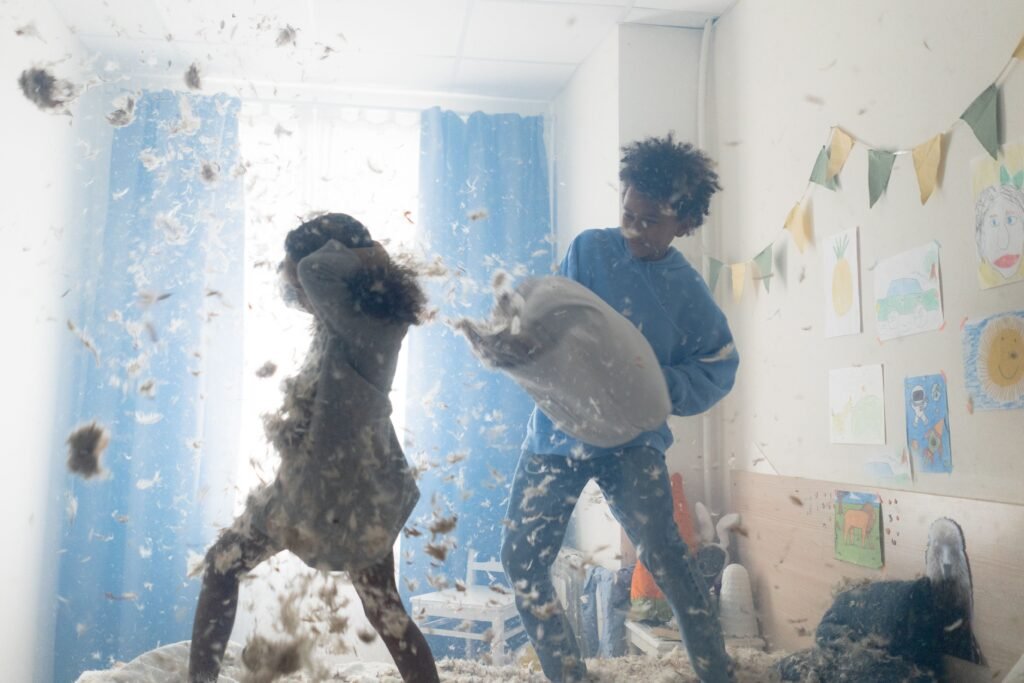
🧒 Brilliant Ways of Dealing with ‘Naughty’ Children Tactfully & Wisely
Children are naturally curious, energetic, playful, and full of imagination. Sometimes, these wonderful qualities can also lead to behavior that adults describe as “naughty.” A child may refuse to listen, interrupt conversations, throw tantrums, tease siblings, ignore instructions, or become overly energetic at school or in public places. While such behavior can be challenging, it is important to remember that children are still learning how to express emotions, solve problems, and understand the consequences of their actions.
The way parents, teachers, caregivers, and other adults respond to a child’s behavior plays a major role in shaping that child’s future personality. Responding with anger, harsh punishment, or humiliation often increases fear, resentment, and stubbornness. In contrast, handling situations with patience, politeness, consistency, and wisdom teaches children valuable life skills such as respect, responsibility, kindness, and self-control.
Whether the issue arises at home, in school, or in society, positive guidance helps prevent unnecessary arguments, conflicts, revengeful attitudes, and emotional distance. Children gradually learn to respect parents, teachers, elders, and others when they experience respectful treatment themselves.
Why Do Children Sometimes Behave Naughty?
Before correcting behavior, adults should understand the possible reasons behind it.
Some common causes include:
- Seeking attention from adults.
- Feeling tired, hungry, or unwell.
- Jealousy toward siblings or classmates.
- Curiosity and exploration.
- Difficulty expressing emotions.
- Stress caused by changes at home or school.
- Copying negative behaviors seen online or around them.
- Lack of clear boundaries.
- Wanting independence.
- Feeling misunderstood or ignored.
Understanding the reason behind the behavior allows adults to respond wisely instead of reacting emotionally.
Stay Calm Before Responding
Children often learn emotional control by observing adults.
If a child shouts and an adult shouts back, the child learns that shouting solves problems.
Instead:
- Take a deep breath.
- Lower your voice.
- Speak calmly.
- Maintain eye contact.
- Think before reacting.
A calm response immediately reduces tension and prevents the situation from becoming a bigger conflict.
Listen Before Giving Advice
Sometimes children simply want to be heard.
Instead of immediately saying,
“You are wrong.”
Try asking:
- “Can you tell me what happened?”
- “Why were you upset?”
- “How were you feeling?”
- “What made you do that?”
Listening builds trust and encourages honesty.
Children who feel heard become more willing to listen in return.
Set Clear and Consistent Rules
Children need clear expectations.
Simple household rules might include:
- Speak politely.
- Finish homework before screen time.
- Respect everyone.
- Tell the truth.
- Keep rooms tidy.
- No hitting or insulting.
- Listen when adults are speaking.
When rules remain consistent, children know exactly what is expected.
Changing rules every day only creates confusion.
Praise Good Behavior More Than Bad Behavior
Children love appreciation.
Instead of only correcting mistakes, notice positive actions.
Examples include:
- “Thank you for sharing your toys.”
- “I’m proud of how politely you spoke.”
- “Excellent job helping your sister.”
- “You listened carefully today.”
Positive encouragement motivates children to repeat good behavior.
Avoid Public Humiliation
Correcting children in front of friends, relatives, or classmates may embarrass them.
Embarrassment often creates:
- Anger
- Shame
- Low confidence
- Defiance
- Revengeful feelings
Whenever possible, speak privately and respectfully.
Correct the behavior—not the child’s dignity.
Teach Respect Through Your Own Actions
Children imitate adults.
If parents and teachers speak respectfully, children slowly adopt similar habits.
Use words like:
- Please
- Thank you
- Excuse me
- Sorry
- May I?
Respect shown by adults becomes respect learned by children.
Give Choices Instead of Orders
Children enjoy feeling independent.
Instead of saying:
“Do your homework now.”
Try:
“Would you like to finish your homework before dinner or after your snack?”
Giving reasonable choices reduces resistance while maintaining responsibility.
Explain Consequences Calmly
Rather than threatening children, explain natural consequences.
For example:
“If you don’t pack your school bag tonight, you may forget your books tomorrow.”
Logical consequences teach responsibility without creating fear.
Avoid Comparing Children
Statements such as:
- “Look how good your brother is.”
- “Your cousin always behaves better.”
can damage confidence and create sibling rivalry or jealousy.
Every child develops at a different pace.
Focus on individual progress instead.
Encourage Honest Communication
Children should feel safe telling the truth.
If every mistake results in severe punishment, they may begin hiding problems.
Instead say:
“I’m glad you told me the truth. Now let’s solve this together.”
Honesty grows where understanding exists.
Teach Emotional Vocabulary
Many children misbehave because they cannot explain their emotions.
Teach words like:
- Angry
- Sad
- Frustrated
- Nervous
- Excited
- Embarrassed
- Disappointed
Children who can name emotions are more likely to manage them positively.
Create Positive Daily Routines
A predictable routine provides security.
Healthy routines include:
- Regular bedtime
- Healthy meals
- Homework schedule
- Family conversations
- Reading time
- Outdoor play
- Prayer or quiet reflection
- Limited screen time
Children with balanced routines often display fewer behavioral problems.
Spend Quality Time Together
Sometimes naughty behavior simply reflects a desire for attention.
Spend meaningful time by:
- Playing games.
- Reading books.
- Cooking together.
- Gardening.
- Walking outdoors.
- Drawing pictures.
- Having family discussions.
Even 20–30 minutes of genuine attention each day strengthens emotional bonds.
Encourage Responsibility
Assign age-appropriate responsibilities.
Examples include:
- Putting away toys.
- Organizing school bags.
- Watering plants.
- Feeding pets.
- Setting the dining table.
- Helping younger siblings kindly.
Responsibility builds maturity and confidence.
Teach Problem-Solving Skills
Instead of solving every conflict yourself, guide children through the process.
Ask:
- What happened?
- How did everyone feel?
- What could you do differently?
- What would be a fair solution?
These questions help children think before acting.
Manage School Behavior Positively
Teachers can greatly influence children’s character.
Helpful classroom strategies include:
- Greeting students warmly.
- Giving positive responsibilities.
- Rewarding effort.
- Encouraging teamwork.
- Keeping lessons engaging.
- Using calm discipline.
- Listening fairly to every student.
Children behave better when they feel respected in school.
Build Cooperation Between Parents and Teachers
Consistent guidance works best.
Parents and teachers should communicate regularly about:
- Academic progress.
- Social behavior.
- Emotional concerns.
- Strengths.
- Areas for improvement.
Working together prevents mixed messages.
Reduce Excessive Screen Time
Too much exposure to inappropriate or overstimulating digital content can affect attention, sleep, and behavior.
Encourage children to balance screen use with:
- Reading
- Sports
- Cycling
- Drawing
- Music
- Outdoor games
- Creative hobbies
- Family conversations
A balanced lifestyle supports healthier emotional regulation.
Teach Respect for Elders
Respect is learned through daily practice.
Encourage children to:
- Greet elders politely.
- Listen without interrupting.
- Speak kindly.
- Offer help when needed.
- Show gratitude.
- Accept guidance respectfully.
Explain that respect does not mean fear; it means valuing the experience and dignity of others.
Handle Tantrums Wisely
During tantrums:
- Stay calm.
- Ensure everyone’s safety.
- Avoid arguing.
- Allow the child time to calm down.
- Discuss the situation afterward.
Trying to reason during intense emotions is usually ineffective.
Wait until everyone is calm.
Avoid Physical Punishment
Physical punishment may stop behavior temporarily, but it does not teach emotional regulation or problem-solving. It can also increase fear or aggression in some children.
Instead, focus on:
- Calm conversations.
- Clear boundaries.
- Consistent consequences.
- Positive reinforcement.
- Restorative discussions about making things right.
These approaches help children learn rather than simply comply.
Encourage Kind Friendships
Friends influence behavior greatly.
Guide children toward friendships that encourage:
- Respect
- Honesty
- Cooperation
- Good manners
- Academic motivation
- Healthy hobbies
Positive friendships support positive character.
Teach Conflict Resolution
Children should learn peaceful ways to solve disagreements.
Teach them to:
- Stay calm.
- Listen carefully.
- Avoid insults.
- Speak respectfully.
- Find compromises.
- Apologize sincerely.
- Forgive genuinely.
These skills reduce fights both now and later in life.
Reward Effort, Not Just Results
Celebrate persistence.
Praise comments like:
- “You worked very hard.”
- “I’m proud that you kept trying.”
- “Thank you for being patient.”
Effort builds resilience and a willingness to learn from mistakes.
Encourage Community Values
Children should understand they belong to a larger society.
Teach them to:
- Respect neighbors.
- Care for public places.
- Help younger children.
- Follow rules.
- Protect the environment.
- Treat everyone fairly regardless of background.
Responsible citizens begin as responsible children.
Teach the Value of Apologizing
Every child makes mistakes.
Teach sincere apologies by encouraging them to:
- Admit the mistake.
- Say sorry honestly.
- Understand the impact.
- Correct the mistake where possible.
- Try not to repeat it.
Likewise, adults should apologize when they make mistakes. This shows humility and strengthens trust.
Be Patient with Different Ages
Children’s behavior changes with development.
- Toddlers need gentle redirection and simple instructions.
- Preschoolers benefit from routines and positive reinforcement.
- School-age children can understand explanations, responsibilities, and logical consequences.
- Teenagers need respectful communication, clear expectations, growing independence, and guidance rather than constant control.
Adapting expectations to a child’s stage of development leads to more effective guidance.
Encourage Gratitude
Grateful children often become more considerate.
Simple habits include:
- Saying thank you.
- Appreciating family efforts.
- Helping those in need.
- Sharing blessings.
- Reflecting on positive moments each day.
Gratitude encourages humility and compassion.
Model Forgiveness
Children sometimes hold grudges after conflicts.
Teach them that forgiveness helps people move forward while still learning from what happened. Forgiveness does not mean ignoring harmful behavior; it means choosing not to let anger control future actions.
Celebrate Small Improvements
Positive behavior develops gradually.

Celebrate progress such as:
- One fewer argument.
- Better listening.
- Improved manners.
- Completing chores.
- Sharing with siblings.
- Greater patience.
Small victories eventually become lasting habits.
Build Strong Family Bonds
Families that communicate openly often experience fewer serious behavioral issues.
Helpful family traditions include:
- Eating meals together.
- Weekend outings.
- Reading stories.
- Playing board games.
- Family discussions.
- Celebrating achievements together.
- Supporting one another during difficulties.
These moments strengthen trust and emotional security.
Conclusion
Every child has enormous potential to become a respectful, responsible, and compassionate adult. Naughty behavior should not define a child’s character; rather, it should be viewed as an opportunity to teach valuable life lessons. When parents, teachers, caregivers, and community members respond with patience, consistency, kindness, and wisdom, children are more likely to develop self-discipline, empathy, and respect for others.
Positive guidance at home, supportive teaching at school, and respectful interactions in society all contribute to raising children who can manage their emotions, resolve conflicts peacefully, and make thoughtful decisions. By modeling good behavior, setting clear expectations, listening with understanding, and encouraging responsibility, adults help children avoid unnecessary fights, arguments, and revengeful attitudes. In time, these children grow into confident individuals who listen respectfully to parents, teachers, and elders, contribute positively to their communities, and build strong, healthy relationships throughout life.