

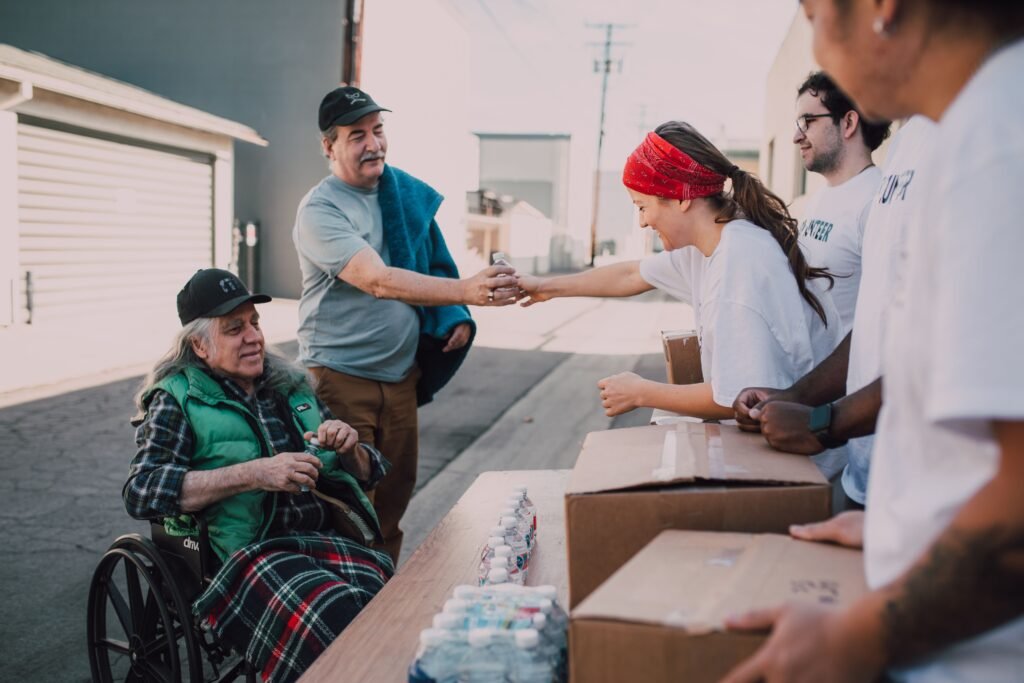
💁♀️’Helping Hand’: Promoting Kindness & Well-being
In a world filled with busy schedules, personal responsibilities, and constant change, one simple act has the power to brighten lives, strengthen communities, and improve our own happiness—offering a helping hand. Kindness is one of the most valuable qualities a person can develop because it creates positive connections between people and encourages compassion, trust, and mutual respect. Whether it is helping a neighbor carry groceries, volunteering at a local charity, listening to a friend who needs support, or simply sharing an encouraging smile, every act of kindness has the potential to make a meaningful difference.
A helping hand does not always require money or grand gestures. Often, the smallest acts leave the greatest impact. Holding a door open, offering sincere encouragement, mentoring someone, or giving your time to help another person can transform someone’s difficult day into a hopeful one. At the same time, the person offering kindness also benefits by experiencing greater purpose, emotional well-being, and stronger relationships.
Kindness is contagious. One generous action inspires another, creating a ripple effect that spreads throughout families, workplaces, schools, and entire communities. When people choose kindness over indifference, everyone benefits.
Understanding the Meaning of a Helping Hand
Offering a helping hand means willingly assisting others without expecting anything in return. It reflects compassion, empathy, generosity, and a genuine desire to improve someone else’s life.
Helping others may involve:
- Offering emotional support.
- Sharing knowledge.
- Assisting with daily tasks.
- Volunteering in the community.
- Encouraging someone during difficult times.
- Donating useful items.
- Mentoring young people.
- Supporting elderly neighbors.
Every act, regardless of size, contributes to building a kinder and more caring society.
A helping hand reminds people that they are not alone, especially during life’s challenging moments.
Why Kindness Matters
Kindness creates positive experiences for both the giver and the receiver.
Helping others can:
- Strengthen relationships.
- Improve emotional well-being.
- Reduce stress.
- Increase happiness.
- Build stronger communities.
- Encourage cooperation.
- Promote gratitude.
- Inspire hope.
- Improve self-confidence.
- Create meaningful purpose.
People naturally remember those who treated them with kindness during important moments in life.
Simple acts often leave lifelong memories.
Helping Others Improves Your Own Well-being
Many people believe kindness only benefits the person receiving help.
In reality, the helper often experiences positive emotional rewards as well.
Helping others can:
- Increase feelings of satisfaction.
- Strengthen self-esteem.
- Reduce loneliness.
- Encourage optimism.
- Create a sense of accomplishment.
Acts of generosity remind us that our actions have value and that we can positively influence the lives of others.
Living with purpose contributes significantly to long-term happiness.
Small Acts Create Big Changes
Kindness does not need to be dramatic.
Simple everyday actions include:
- Smiling warmly.
- Saying thank you.
- Complimenting someone’s effort.
- Helping a colleague.
- Carrying heavy bags.
- Sharing useful information.
- Listening without interrupting.
- Checking on a friend.
Although these actions seem small, they often brighten someone’s day more than we realize.
Positive habits repeated consistently create lasting impact.
Kindness Strengthens Relationships
Healthy relationships are built upon mutual care and respect.
Offering support during both joyful and difficult times deepens trust.
Helping family members, friends, coworkers, and neighbors demonstrates reliability and compassion.
Strong relationships provide emotional security while encouraging open communication and cooperation.
People naturally feel closer to those who consistently show kindness.
Trust grows through repeated caring actions.
Volunteering Makes Communities Stronger
Volunteering is one of the most meaningful ways to offer a helping hand.
Volunteers contribute their time, energy, and skills to improve the lives of others.
Volunteer opportunities include:
- Community clean-up projects.
- Food distribution programs.
- Animal shelters.
- Educational support.
- Hospital volunteering.
- Environmental conservation.
- Youth mentoring.
- Charity fundraising.
Volunteering benefits both communities and volunteers by creating purpose, friendships, and shared responsibility.
Working together strengthens social bonds.
Practice Active Listening
Sometimes the greatest gift you can offer is your attention.
Many people simply want someone who will listen without judging or interrupting.
Active listening involves:
- Maintaining eye contact.
- Paying full attention.
- Asking thoughtful questions.
- Showing empathy.
- Avoiding distractions.
Feeling heard helps people feel valued and understood.
Listening carefully is one of the simplest yet most powerful forms of kindness.
Share Knowledge Generously
Helping others learn is an investment in their future.
You can share knowledge by:
- Tutoring students.
- Teaching practical skills.
- Mentoring colleagues.
- Explaining difficult concepts.
- Recommending helpful resources.
Knowledge shared freely creates opportunities for others while strengthening your own understanding.
Education becomes more meaningful when shared generously.
Encourage Others
Positive words often remain in people’s memories for years.
Encourage others by:
- Recognizing their effort.
- Celebrating achievements.
- Offering hope during setbacks.
- Expressing belief in their abilities.
Encouragement helps people develop confidence while reminding them that their efforts matter.
Sometimes a few kind words provide the motivation someone needs to continue moving forward.
Learn from Inspiring Individuals
Many remarkable people have demonstrated the life-changing power of kindness and service.
1. Mother Teresa
Mother Teresa devoted her life to serving the poor, the sick, and those who felt forgotten. Her compassion reminds us that even the smallest acts of love and care can have a profound impact on the lives of others.
2. Abdul Sattar Edhi
Abdul Sattar Edhi dedicated his life to humanitarian work through the Edhi Foundation, providing healthcare, emergency services, orphan care, and support for vulnerable people. His selfless service continues to inspire millions around the world.
3. Princess Diana
Princess Diana was admired for her compassion toward people facing illness, poverty, and social isolation. She demonstrated that kindness, empathy, and genuine human connection can break down barriers.
4. Malala Yousafzai
Malala Yousafzai has devoted her efforts to promoting education and creating opportunities for young people. Her commitment to helping others shows how compassion and courage can change lives across generations.
5. Fred Rogers
Fred Rogers spent decades encouraging kindness, empathy, and respect through children’s education. His gentle approach reminds us that treating every person with dignity helps build stronger communities.
6. Nelson Mandela
Nelson Mandela demonstrated forgiveness, reconciliation, and compassion even after years of hardship. His leadership illustrates how kindness and understanding can heal divisions and inspire lasting peace.
7. Jane Addams
Jane Addams dedicated her life to improving education, healthcare, and social services for disadvantaged communities. Her work shows that helping others creates stronger and healthier societies.
8. Mahatma Gandhi
Mahatma Gandhi believed that compassion, nonviolence, and service to others were essential for creating lasting social change. His life demonstrates the strength found in kindness and humility.
9. Martin Luther King Jr.
Martin Luther King Jr. encouraged love, justice, and peaceful action in the pursuit of equality. His message continues to inspire people to treat one another with respect and compassion.
10. Michelle Obama
Michelle Obama consistently promotes service, education, and community involvement. Her example reminds us that helping others begins with empathy, respect, and a willingness to contribute positively.
These inspiring individuals prove that one person’s kindness can positively influence millions of lives.
Helping at Home
Kindness begins within the family.
Simple ways to help include:
- Assisting with household chores.
- Preparing meals together.
- Supporting siblings with homework.
- Spending quality time with elderly family members.
- Offering encouragement during difficult moments.
Strong families are built through everyday acts of care and cooperation.
Helping at home teaches responsibility and appreciation.
Helping in the Workplace
Workplaces become healthier when colleagues support one another.
Offer assistance by:
- Sharing knowledge.
- Welcoming new employees.
- Appreciating teamwork.
- Offering constructive feedback.
- Recognizing others’ achievements.
Positive work environments increase productivity while reducing unnecessary stress.
Kindness strengthens professional relationships.
Helping in Your Community
Communities flourish when people work together.
You can contribute by:
- Participating in neighborhood projects.
- Supporting local charities.
- Visiting senior citizens.
- Donating books or clothing.
- Planting trees.
- Organizing community clean-up events.
Community involvement creates pride, belonging, and stronger social connections.
Small efforts collectively produce remarkable results.
Practice Gratitude
Grateful people often become kinder people.
Take time each day to appreciate:
- Family.
- Friends.
- Good health.
- Education.
- Opportunities.
- Nature.
- Acts of kindness received.
Gratitude encourages generosity because it reminds us of the support we have received throughout life.
Thankfulness creates a positive cycle of giving and receiving.
Be Kind to Yourself
Helping others should not come at the expense of your own well-being.
Self-kindness includes:
- Getting enough rest.
- Maintaining healthy habits.
- Setting realistic goals.
- Forgiving your mistakes.
- Taking time to relax.
When you care for yourself, you are better prepared to care for others.
Balanced kindness benefits everyone.
Make Kindness a Daily Habit
Kindness becomes most powerful when practiced consistently.
Each day, challenge yourself to perform one thoughtful act.
Examples include:
- Offering sincere compliments.
- Writing thank-you notes.
- Helping someone without being asked.
- Smiling at strangers.
- Donating useful items.
- Encouraging someone who feels discouraged.
Over time, these simple habits become part of your character.
A life built upon kindness naturally promotes happiness, resilience, and meaningful relationships.
Conclusion
Offering a helping hand is one of the simplest yet most meaningful ways to promote kindness and well-being. Whether through volunteering, listening with empathy, sharing knowledge, supporting family members, or encouraging someone during a difficult time, every act of kindness has the power to improve lives. It strengthens relationships, builds trust, reduces stress, and creates a sense of purpose that benefits both the giver and the receiver.
The inspiring lives of Mother Teresa, Abdul Sattar Edhi, Princess Diana, Malala Yousafzai, Fred Rogers, Nelson Mandela, Jane Addams, Mahatma Gandhi, Martin Luther King Jr., and Michelle Obama remind us that kindness is not measured by wealth or status but by compassion and willingness to serve others. Their examples show that lasting change often begins with simple acts of generosity.
By making kindness a daily habit, practicing gratitude, helping within our families and communities, and treating others with empathy and respect, we contribute to a more caring and compassionate world. Every helping hand, no matter how small, carries the power to spread hope, strengthen human connections, and inspire a brighter future filled with well-being, understanding, and lasting positivity.