

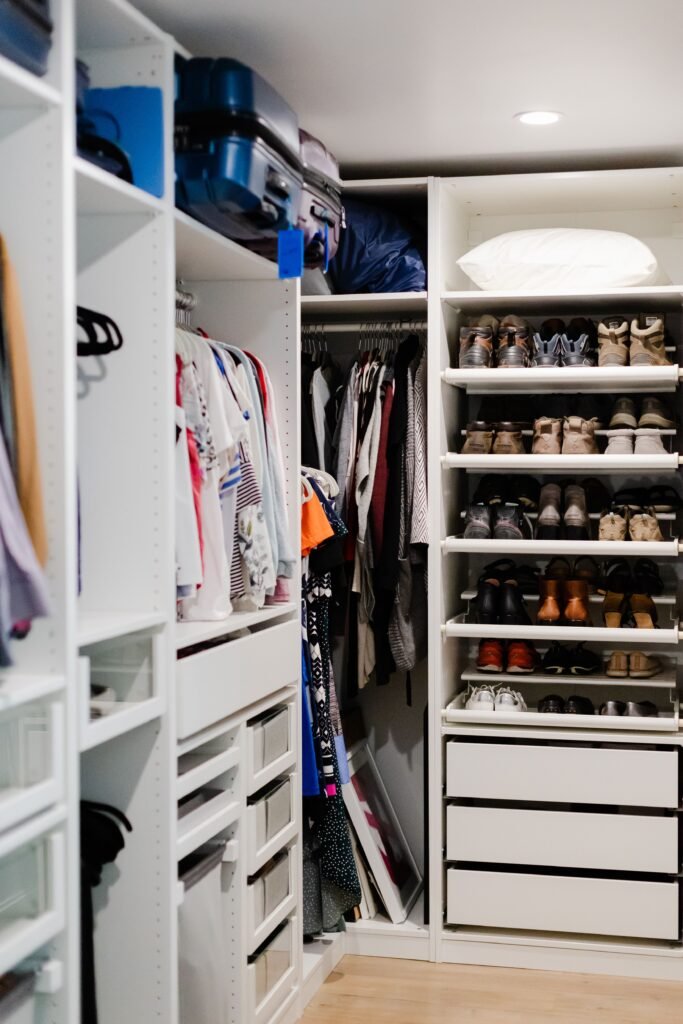
🏡’Innovative Storage Solutions’ to Maintain Positivity in Your Mind & House
A peaceful home is more than just a beautiful place to live—it is a space that supports your mental well-being, productivity, and happiness. In today’s busy world, homes can quickly become cluttered with clothes, books, paperwork, kitchen items, children’s toys, electronic gadgets, and countless everyday belongings. When clutter accumulates, it often creates unnecessary stress, distracts the mind, and makes even simple daily tasks feel overwhelming.
One of the most effective ways to create a calm and refreshing living environment is through innovative storage solutions. Smart storage is not only about hiding things away; it is about organizing your home in a way that makes everyday life easier, more efficient, and more enjoyable. A well-organized house reduces mental fatigue, saves time, improves focus, and creates an atmosphere of peace and positivity.
The connection between an organized home and a healthy mind is stronger than many people realize. When everything has its place, the mind experiences less confusion and more clarity. By adopting creative storage ideas and simple organizational habits, you can transform both your living space and your overall well-being.
Why Organization Matters
Our surroundings influence how we think and feel. Walking into a clean, organized room often creates an immediate sense of calm, while entering a cluttered space may increase feelings of stress and distraction.
An organized home can help you:
- Reduce daily stress.
- Save valuable time.
- Improve concentration.
- Increase productivity.
- Create healthier routines.
- Sleep more peacefully.
- Enjoy greater emotional balance.
- Welcome guests with confidence.
- Encourage family cooperation.
- Make cleaning easier.
Organization is not about perfection—it is about creating systems that simplify everyday life.
Declutter Before You Organize
Before introducing new storage systems, begin by reducing unnecessary possessions.
Ask yourself:
- Do I use this regularly?
- Does this item serve a purpose?
- Does it bring value to my life?
- Can someone else benefit from it?
Donate, recycle, or responsibly dispose of items that no longer serve you.
Decluttering creates space for the things that truly matter.
A lighter home often leads to a lighter mind.
Make Use of Vertical Space
Many homes have unused wall space that can provide valuable storage.
Consider adding:
- Floating shelves.
- Wall-mounted hooks.
- Pegboards.
- Hanging baskets.
- Vertical organizers.
Using vertical storage keeps floors clear while making everyday items easy to access.
This approach is especially useful in smaller homes and apartments where floor space is limited.
Choose Multi-Functional Furniture
Furniture that serves more than one purpose is both practical and space-saving.
Examples include:
- Storage ottomans.
- Beds with built-in drawers.
- Coffee tables with hidden compartments.
- Benches with storage space.
- Foldable desks.
- Expandable dining tables.
These innovative designs help reduce clutter without sacrificing comfort or style.
Multi-functional furniture is ideal for maintaining an organized and flexible living space.
Label Everything Clearly
Labels eliminate confusion.
Clearly labeled containers help everyone in the household know where items belong.
Label:
- Pantry containers.
- Storage boxes.
- Office supplies.
- Cleaning products.
- Seasonal decorations.
- Children’s toys.
Simple labeling encourages organization and makes tidying up much faster.
It also helps children develop responsibility by learning where to return their belongings.
Create Dedicated Storage Zones
Every item should have a designated home.
Organize spaces according to purpose.
For example:
Kitchen:
- Cooking utensils.
- Baking supplies.
- Snacks.
- Spices.
Living room:
- Books.
- Remote controls.
- Blankets.
- Games.
Home office:
- Documents.
- Stationery.
- Chargers.
- Technology accessories.
Dedicated zones reduce wasted time searching for misplaced items.
Consistency creates lasting organization.
Maximize Under-Bed Storage
The space beneath beds is often overlooked.
Use it to store:
- Seasonal clothing.
- Extra bedding.
- Shoes.
- Travel bags.
- Holiday decorations.
Flat storage containers help keep items protected and easy to retrieve.
Hidden storage reduces visible clutter while maximizing available space.
Organize Your Entryway
The entrance to your home sets the tone for the entire day.
Create a welcoming entryway by including:
- Shoe racks.
- Coat hooks.
- Umbrella stands.
- Key holders.
- Small storage benches.
Keeping frequently used items organized prevents unnecessary morning stress.
An orderly entrance also creates a positive first impression for visitors.
Refresh Your Kitchen Storage
The kitchen is one of the busiest areas in every home.
Improve efficiency by:
- Using stackable containers.
- Installing drawer dividers.
- Adding lazy Susans for cabinets.
- Hanging mugs beneath shelves.
- Storing similar items together.
A well-organized kitchen makes meal preparation faster and more enjoyable.
Cooking becomes less stressful when everything is easy to locate.
Keep Your Workspace Organized
A clutter-free workspace supports productivity and mental clarity.
Store office supplies using:
- Drawer organizers.
- Cable management boxes.
- Document folders.
- Desktop trays.
- Wall calendars.
A tidy desk reduces distractions while improving concentration.
An organized workspace encourages creative thinking and efficient work habits.
Learn from Inspiring Individuals
Many successful people have emphasized the importance of organization, simplicity, and thoughtful living.
1. Marie Kondo
Marie Kondo encourages people to keep items that truly add value to their lives. Her organizing philosophy highlights how decluttering creates peaceful and joyful living environments.
2. Martha Stewart
Martha Stewart has long promoted practical home organization, thoughtful storage, and efficient household management that simplify everyday life.
3. Peter Walsh
Peter Walsh teaches that reducing clutter helps people gain control over both their homes and their lives. His advice focuses on creating practical systems that are easy to maintain.
4. William Morris
William Morris famously encouraged people to surround themselves with items that are either useful or beautiful. His philosophy continues to inspire intentional and organized living.
5. Joshua Becker
Joshua Becker advocates intentional living through minimizing unnecessary possessions. His work demonstrates how owning less can create more space for meaningful experiences.
These examples remind us that thoughtful organization contributes to both beauty and peace of mind.
Use Transparent Storage Containers
Clear containers make it easy to identify contents without opening every box.
They work especially well for:
- Pantry items.
- Craft supplies.
- Children’s toys.
- Sewing materials.
- Seasonal decorations.
Visible storage saves time while encouraging better organization.
You always know what you have available.
Rotate Seasonal Items
Avoid overcrowding closets by storing off-season belongings separately.
Examples include:
- Winter coats.
- Summer clothing.
- Holiday decorations.
- Sports equipment.
Rotating seasonal items keeps frequently used spaces neat and functional throughout the year.
It also protects rarely used items from unnecessary wear.
Involve the Whole Family
Organization is easier when everyone participates.
Assign simple responsibilities such as:
- Returning toys after play.
- Organizing school supplies.
- Folding laundry.
- Sorting books.
- Keeping personal spaces tidy.
Children learn valuable life skills while contributing positively to the household.
Shared responsibility reduces stress for everyone.
Organize Digitally Too
Mental clutter is not limited to physical belongings.
Digital organization also supports peace of mind.
Regularly:
- Delete unnecessary files.
- Organize folders.
- Back up important documents.
- Remove duplicate photos.
- Unsubscribe from unwanted emails.
A tidy digital environment makes work more efficient while reducing information overload.
Develop Daily Organization Habits
Small daily habits prevent clutter from returning.
Examples include:
- Making your bed.
- Washing dishes after meals.
- Returning items to their proper place.
- Spending ten minutes tidying each evening.
- Sorting mail immediately.
Consistency is more effective than occasional deep cleaning.
Simple routines create lasting order.
Create Relaxation Spaces
Every home benefits from a peaceful corner dedicated to relaxation.
Include:
- Comfortable seating.
- Soft lighting.
- Books.
- Indoor plants.
- Cozy blankets.
Avoid filling these areas with unnecessary belongings.
An uncluttered relaxation space encourages mindfulness, reading, and quiet reflection.
Your home should include places that restore both body and mind.
Practice Gratitude for Your Home
Instead of focusing on what your home lacks, appreciate what it already provides.
Be thankful for:
- Shelter.
- Safety.
- Family gatherings.
- Comfortable rest.
- Everyday memories.
Gratitude encourages thoughtful organization because you naturally care for what you value.
A grateful mindset promotes lasting positivity.
Keep Improving Gradually
Organizing an entire home does not happen in one day.
Focus on one area at a time.
Perhaps begin with:
- One drawer.
- One shelf.
- One closet.
- One room.
Small improvements accumulate into significant transformation.
Patience leads to sustainable results.
Enjoy the Benefits of an Organized Home
As organization becomes part of your lifestyle, you may notice:
- Less daily frustration.
- Faster cleaning.
- Better concentration.
- Improved sleep.
- More family harmony.
- Increased productivity.
- Greater peace of mind.
Your home becomes a place that supports rather than drains your energy.
Organization creates room for joy, creativity, and meaningful experiences.
Conclusion
Innovative storage solutions are about far more than finding places to store belongings—they are about creating an environment that supports positivity, clarity, and well-being. By decluttering regularly, making use of vertical space, choosing multi-functional furniture, organizing belongings into dedicated zones, and developing consistent daily habits, you create a home that feels calm, welcoming, and efficient. Every organized shelf, neatly labeled container, and thoughtfully designed storage space contributes to a more peaceful daily routine.
The inspiring ideas of organization experts such as Marie Kondo, Martha Stewart, Peter Walsh, William Morris, and Joshua Becker remind us that a well-organized home reflects intentional living rather than perfection. When your surroundings are orderly, your mind often feels lighter, your productivity improves, and everyday tasks become more enjoyable. Most importantly, an organized home creates more time and energy for what truly matters—building relationships, pursuing personal growth, enjoying meaningful experiences, and living each day with greater happiness, balance, and positivity.