

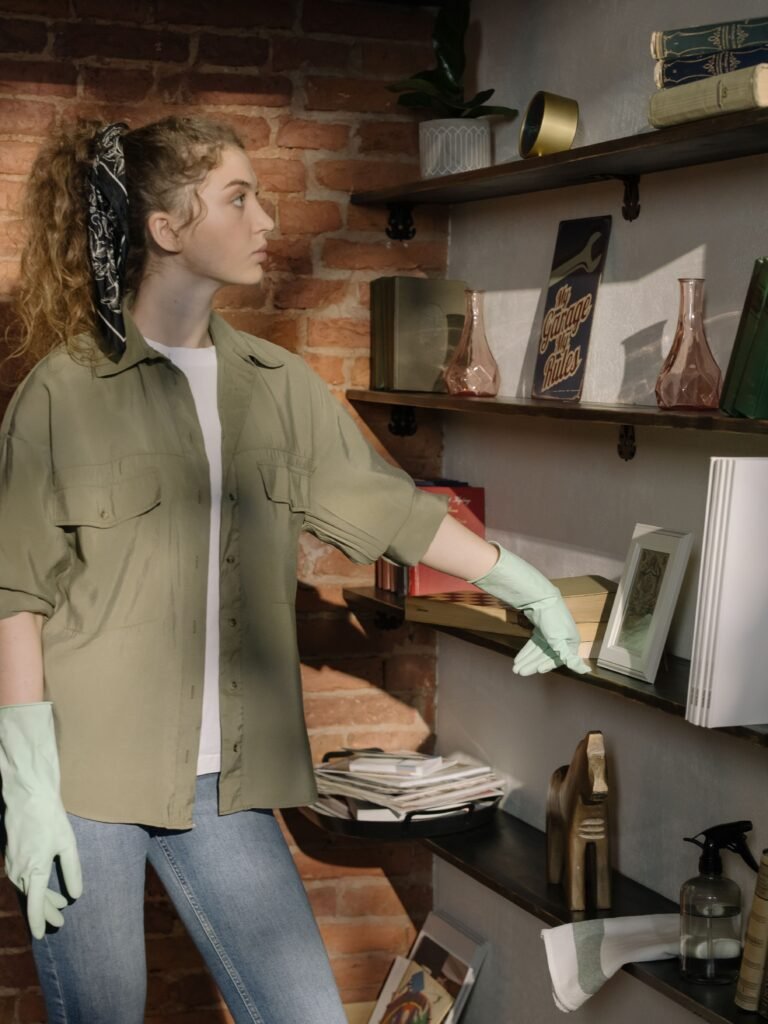
🏠 Tips to Reduce Unnecessary ‘Clutter’ from Your House
A clean, organized, and clutter-free home is more than just a pleasant place to live—it is a space that supports peace of mind, emotional well-being, and a productive lifestyle. Many people underestimate how much their surroundings influence their thoughts, mood, and daily habits. When rooms are filled with unnecessary belongings, it becomes harder to focus, relax, and enjoy everyday life. On the other hand, a home with only useful and meaningful items creates a refreshing atmosphere where every family member can feel calm and comfortable.

Clutter does not always mean a house is dirty. It often refers to having too many items that no longer serve a purpose. Old magazines, broken appliances, unused clothes, duplicate kitchen tools, forgotten toys, and unnecessary decorations can gradually occupy valuable space. Over time, these items make cleaning more difficult and create visual distractions that contribute to stress.
Reducing clutter is not about making your home empty or removing everything you own. Instead, it is about making thoughtful choices, keeping what truly adds value, and letting go of what no longer benefits your life. Every item you remove creates more room for comfort, organization, and positivity.
A clutter-free home also encourages healthier routines. It becomes easier to clean, locate important belongings, prepare meals, welcome guests, and spend quality time with family. Rather than feeling overwhelmed by constant mess, you experience a sense of control and satisfaction every time you walk through your home.
The following practical tips can help you reduce unnecessary clutter while creating a peaceful, refreshing environment that makes everyday life easier.
1. Start with One Small Area at a Time
One of the biggest mistakes people make is trying to organize the entire house in a single day. This often leads to frustration and unfinished work.
Instead, choose one small area, such as:
- One drawer
- One shelf
- A bedside table
- A kitchen cabinet
- A bathroom counter
Completing one small task builds confidence and motivates you to continue. Small, consistent improvements eventually transform your entire home without feeling overwhelming.
2. Ask Yourself if Each Item Still Has a Purpose
As you sort through your belongings, pause and ask simple questions:
- Do I use this regularly?
- Does this item serve a practical purpose?
- Does it bring genuine happiness?
- Have I used it within the past year?
- Could someone else benefit from it more?
If the answer is “no” to most of these questions, it may be time to let the item go. Keeping only useful possessions makes your home easier to organize and enjoy.
3. Donate Items in Good Condition
Many households have clothing, books, toys, cookware, or furniture that are no longer needed but are still in excellent condition.
Instead of storing these items indefinitely, consider donating them to:
- Local charities
- Community centers
- Schools
- Shelters
- Families in need
Donating reduces clutter while allowing your unused belongings to benefit someone else. It is a practical way to create space and spread kindness at the same time.
4. Dispose of Broken and Unusable Items
It is common to hold onto broken items with the intention of repairing them someday. However, if months or years pass without action, those objects simply occupy valuable space.
Discard or recycle items that are beyond repair, such as:
- Broken electronics
- Cracked containers
- Damaged kitchen utensils
- Torn storage boxes
- Worn-out decorations
Removing unusable items instantly makes your home feel lighter and more organized.
5. Organize One Room Before Moving to the Next
Trying to declutter multiple rooms at once often creates more confusion. Focus on finishing one space completely before starting another.
For example:
- Finish the bedroom first.
- Then organize the bathroom.
- Next, move to the kitchen.
- Continue with the living room.
- Finally, organize storage areas.
Completing one room at a time provides visible progress and helps maintain motivation.
6. Create Designated Storage Spaces
Every item in your home should have a specific place.
Use storage solutions such as:
- Baskets
- Storage bins
- Shelves
- Drawer dividers
- Hooks
- Labelled containers
When everything has a designated home, cleaning becomes faster and family members know exactly where items belong.
7. Keep Frequently Used Items Easily Accessible
Store everyday essentials where they are convenient to reach.
Examples include:
- Kitchen utensils near the cooking area
- Cleaning supplies in a dedicated cabinet
- Shoes near the entrance
- Keys on a wall hook
- School supplies in one organized drawer
Easy access prevents unnecessary searching and keeps routines running smoothly.
8. Follow the “One In, One Out” Rule
Whenever you purchase something new, consider removing one similar item from your home.
For example:
- Buy one new shirt, donate one old shirt.
- Replace an old pan, recycle the damaged one.
- Purchase a new blanket, donate an unused one.
This simple habit prevents clutter from gradually returning.
9. Declutter Your Wardrobe Regularly
Closets often become crowded with clothes that no longer fit or are rarely worn.
Every few months:
- Fold clothes neatly.
- Remove damaged garments.
- Donate items in good condition.
- Organize clothes by season.
- Keep only what you genuinely wear.
A well-organized wardrobe saves time every morning and makes getting dressed much easier.
10. Simplify Kitchen Storage
The kitchen is one of the busiest areas in any home, making organization especially important.
Reduce clutter by:
- Keeping only frequently used utensils
- Recycling chipped dishes
- Organizing pantry shelves
- Grouping similar ingredients together
- Discarding expired food
A tidy kitchen encourages enjoyable cooking and efficient meal preparation.
11. Organize Children’s Toys
Children naturally collect many toys over time.
Encourage regular organization by:
- Using labelled storage boxes
- Rotating toys instead of displaying everything
- Donating toys that are no longer played with
- Teaching children to clean up after playtime
This keeps play areas neat while helping children develop responsibility.
12. Reduce Paper Clutter
Old bills, newspapers, magazines, and paperwork can quickly pile up.
Develop simple habits such as:
- Recycling outdated documents
- Filing important papers
- Digitizing records when appropriate
- Avoiding unnecessary paper accumulation
A paper-free workspace creates a calmer and more productive environment.
13. Keep Surfaces Clear
Countertops, coffee tables, and desks often attract miscellaneous items.
Aim to keep these surfaces mostly clear.
A clean surface immediately makes a room appear:
- Larger
- Brighter
- More organized
- More welcoming
Even a few minutes of daily tidying can maintain this refreshing appearance.
14. Clean as You Go
Rather than allowing messes to build throughout the week, complete small cleaning tasks immediately.
Examples include:
- Washing dishes after meals
- Folding laundry promptly
- Returning books to shelves
- Putting shoes away
- Wiping kitchen counters
These small actions prevent clutter from becoming overwhelming.
15. Involve the Entire Family
Decluttering should not be the responsibility of one person alone.
Encourage every family member to:
- Put belongings back in place.
- Organize personal spaces.
- Donate unused items.
- Keep shared areas tidy.
- Respect household organization.
Working together builds teamwork and creates lasting habits that benefit everyone.
16. Create a Relaxing Living Room
The living room is often where families gather to relax and spend time together.
Keep it peaceful by:
- Limiting unnecessary decorations
- Organizing remote controls
- Storing blankets neatly
- Arranging books on shelves
- Removing unused furniture
An uncluttered living room promotes meaningful conversations and relaxation.
17. Schedule Regular Decluttering Sessions
Clutter naturally returns over time if ignored.
Set aside a regular schedule, such as:
- Fifteen minutes every weekend
- One room each month
- Seasonal deep cleaning
- Annual donation days
Consistent maintenance prevents clutter from becoming overwhelming again.
18. Appreciate Quality Over Quantity
Owning fewer high-quality items often creates greater satisfaction than collecting many unnecessary possessions.
Choose items that are:
- Durable
- Useful
- Meaningful
- Comfortable
- Easy to maintain
A thoughtful home filled with purposeful belongings feels more peaceful and welcoming.
19. Add Natural Elements
Once clutter is reduced, introduce simple natural touches that enhance the atmosphere.
Consider adding:
- Indoor plants
- Fresh flowers
- Natural light
- Wooden accents
- Soft fabrics
These elements make your home feel fresh, inviting, and full of life.
20. Celebrate Progress Instead of Perfection
Decluttering is a journey rather than a one-time project. Every organized drawer, cleared shelf, or donated bag of belongings is a meaningful achievement.
Rather than striving for perfection, appreciate the positive changes you make along the way. A home that is improving little by little is far better than one that remains untouched because the task feels too large.
Benefits of Living in a Clutter-Free Home
Reducing unnecessary clutter offers many long-term benefits, including:
- Creates a calm and peaceful atmosphere.
- Reduces everyday stress.
- Makes cleaning quicker and easier.
- Saves time searching for belongings.
- Improves concentration and productivity.
- Encourages healthier daily habits.
- Makes rooms feel larger and brighter.
- Helps family members stay organized.
- Promotes better relaxation and sleep.
- Creates a welcoming environment for guests.
- Encourages gratitude for meaningful possessions.
- Supports a more positive and balanced lifestyle.
Simple Daily Habits to Prevent Clutter
Maintaining an organized home is easier when small habits become part of your routine:
- Make your bed each morning.
- Return items to their proper place after use.
- Wash dishes soon after meals.
- Sort mail and papers daily.
- Fold and put away laundry promptly.
- Empty small trash bins regularly.
- Spend ten minutes tidying before bedtime.
- Encourage children to organize their belongings.
- Review one drawer or shelf each week.
- Donate unused items throughout the year.
These simple habits require only a few minutes each day but make a significant difference over time.
Conclusion
Reducing unnecessary clutter from your house is one of the most effective ways to create a positive, refreshing, and stress-free living environment. A well-organized home supports emotional well-being, improves productivity, and makes daily routines far more enjoyable. By keeping only the items that serve a purpose or bring genuine value, you create space not only in your rooms but also in your mind.
Remember that decluttering does not have to happen overnight. Small, consistent efforts—such as organizing one drawer, donating unused clothing, clearing countertops, or involving your family in simple cleaning routines—can lead to remarkable long-term results. Each step brings your home closer to becoming a peaceful place where everyone feels comfortable and relaxed.
A clutter-free home is not about perfection or owning very little. It is about creating a space that reflects your priorities, supports your family’s needs, and allows you to focus on what truly matters. When your surroundings are clean, organized, and welcoming, everyday life becomes easier, more enjoyable, and filled with greater positivity.