

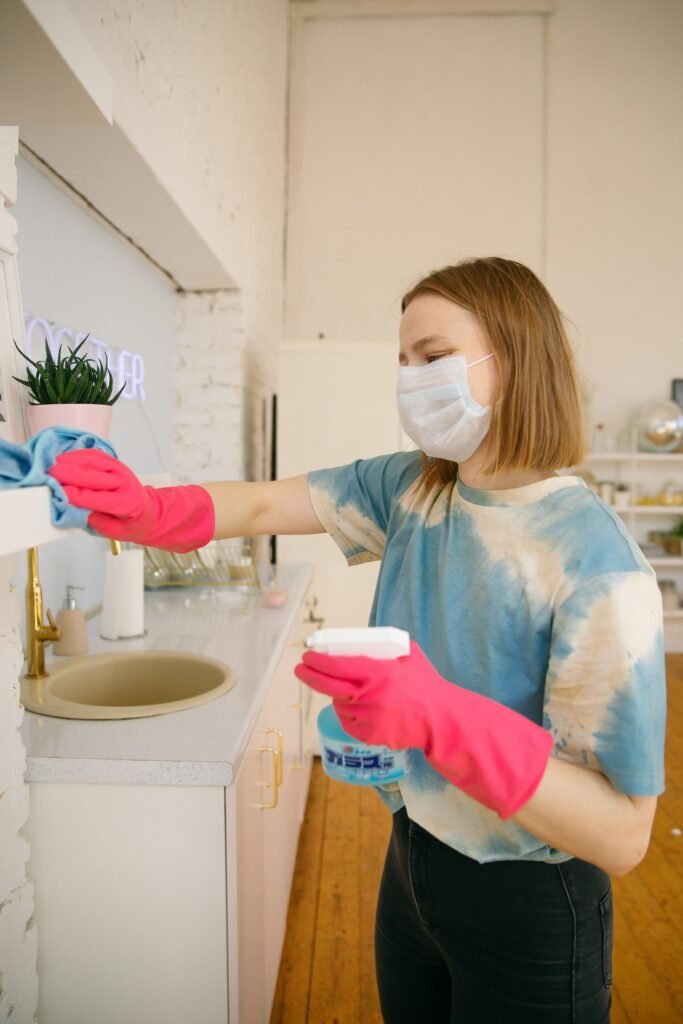
🧼 Maintaining ‘Hygiene’ Properly and Regularly: Create a Clean, Healthy, and Positive Living Environment
Maintaining good hygiene is much more than simply keeping a place looking tidy—it is a lifestyle that supports physical health, mental well-being, productivity, and peace of mind. A clean environment helps reduce the spread of germs, minimizes allergens, prevents unpleasant odors, and creates a welcoming atmosphere for everyone. Whether at home, in the office, or in shared spaces, regular cleaning and sensible disinfection can transform your surroundings into a healthier and more comfortable place to live and work.
Beyond physical cleanliness, an organized and hygienic environment often helps people feel calmer, more focused, and more motivated. Walking into a fresh, clean room can lift your mood, improve concentration, and encourage positive daily habits. While cleanliness alone cannot guarantee happiness, it can certainly contribute to a more pleasant and stress-free atmosphere.
This guide explores the importance of hygiene, effective cleaning methods, recommended equipment and materials, and practical routines for maintaining every part of your home and workplace.
Why Hygiene Is Important
Maintaining proper hygiene offers numerous benefits, including:
- Reduces the spread of germs and viruses.
- Helps prevent mold and mildew growth.
- Improves indoor air quality.
- Reduces dust and allergens.
- Keeps insects and pests away.
- Creates a pleasant-smelling environment.
- Improves productivity and focus.
- Enhances comfort for family members and guests.
- Protects furniture and household items.
- Encourages healthier daily habits.
Benefits of a Clean Environment
1. Better Physical Health
Regular cleaning removes dust, bacteria, food residue, and other contaminants that may contribute to illness.
2. Improved Mental Well-Being
Organized surroundings often help reduce feelings of overwhelm and make it easier to relax and focus.
3. Increased Productivity
Working or studying in a clean environment can reduce distractions and make it easier to stay organized.
4. Better Sleep Quality
A clean, well-ventilated bedroom with fresh bedding creates a more comfortable sleeping environment.
5. More Welcoming Atmosphere
Visitors and family members usually feel more comfortable in a fresh, clean home.
Essential Cleaning Equipment
Keeping a few quality tools makes regular cleaning easier.
Basic Equipment
- Microfiber cloths
- Dusting cloths
- Soft brushes
- Scrub brushes
- Mop and bucket
- Vacuum cleaner
- Broom and dustpan
- Spray bottles
- Rubber gloves
- Sponges
- Squeegee for glass
- Toilet brush
- Extendable duster
- Step ladder for high areas
- Garbage bags
Useful Cleaning Materials
Choose products appropriate for each surface and always follow the manufacturer’s instructions.
- Mild dish soap
- Multi-surface cleaner
- Glass cleaner
- Bathroom cleaner
- Toilet cleaner
- Floor cleaner suitable for your flooring
- Baking soda
- White vinegar (avoid using on natural stone surfaces)
- Disinfectant approved for household use
- Laundry detergent
- Fabric-safe stain remover
- Air freshener (optional)
- Wood cleaner or polish (for finished wood)
- Stainless steel cleaner (if needed)
Never mix cleaning chemicals such as bleach and ammonia or bleach and vinegar, as dangerous gases can form.
Areas That Need Daily Cleaning
Kitchen Countertops
Food preparation surfaces should be cleaned after each use.
Method
- Remove crumbs.
- Wash with warm water and mild detergent.
- If appropriate for the surface, apply a household disinfectant according to label directions.
- Allow the required contact time before wiping if instructed.
Dining Table
Clean after every meal.
This helps prevent food residue, odors, and bacteria buildup.
Kitchen Sink
Wash daily using dish soap and a sponge.
Regularly clean the drain area and dry the sink to reduce water spots and residue.
Bathroom Sink
Wipe away toothpaste, soap residue, and water splashes each day.
Toilet
Clean regularly with a toilet cleaner and toilet brush. Frequently touched areas such as the flush handle, seat, and lid should be cleaned and disinfected routinely.
Frequently Touched Surfaces
Examples include:
- Door handles
- Light switches
- Cabinet handles
- Refrigerator handles
- Remote controls
- Computer keyboards
- Mobile phones (follow the manufacturer’s cleaning guidance)
These are touched many times every day and benefit from regular cleaning.
Weekly Cleaning Tasks
Floors
Vacuum carpets and rugs.
Sweep and mop hard floors using the cleaner recommended for the flooring material.
Mirrors
Use glass cleaner and a lint-free microfiber cloth for a streak-free finish.
Windows
Clean inside regularly.
Exterior cleaning depends on weather conditions and accessibility.
Furniture
Dust all surfaces, including:
- Shelves
- Tables
- Chairs
- Cabinets
- Decorative items
Use suitable cleaners for wood, glass, or metal finishes.
Kitchen Appliances
Clean:
- Microwave interior
- Oven exterior
- Refrigerator shelves
- Dishwasher door
- Coffee maker according to manufacturer instructions
Remove food spills promptly.
Bedroom Hygiene
Bed Sheets
Wash every 1–2 weeks, or more often if needed.
Fresh bedding contributes to comfort and hygiene.
Pillow Covers
Wash regularly according to fabric care instructions.
Blankets
Wash seasonally or as recommended by the manufacturer.
Mattress
Vacuum occasionally to remove dust.
Rotate or flip the mattress if recommended by the manufacturer.
Wardrobes
Keep clothing folded or hung neatly.
Avoid overcrowding to allow airflow.
Living Room Cleaning
Regularly clean:
- Sofa surfaces (vacuum fabric upholstery)
- Cushions
- Coffee tables
- TV stands
- Bookshelves
- Decorative items
- Curtains or blinds
Open windows periodically when weather and air quality permit to improve ventilation.
Bathroom Deep Cleaning
Weekly attention helps prevent soap scum and mildew.
Clean:
- Shower walls
- Bathtub
- Tiles
- Faucets
- Mirrors
- Drains
- Shower curtain (if washable)
Dry wet surfaces after use to reduce moisture buildup.
Kitchen Deep Cleaning
Monthly or as needed:
- Clean refrigerator shelves and drawers.
- Wipe pantry shelves.
- Degrease the stovetop and range hood.
- Clean inside cabinets.
- Check food expiration dates.
Discard spoiled or expired food promptly.
Cleaning Less Frequently Used Areas
These spaces are often overlooked but deserve periodic attention.
Storage Rooms
Inspect every few months.
- Remove dust.
- Check for moisture.
- Organize boxes.
- Discard unnecessary clutter.
Garage
Sweep floors.
Store tools safely.
Keep chemicals in their original containers and out of children’s reach.
Attic
Check periodically for:
- Dust
- Moisture
- Pest activity
- Proper ventilation
Basement
Monitor for dampness and mold.
Use a dehumidifier if needed in humid conditions.
Balcony or Patio
Sweep regularly.
Wash outdoor furniture.
Remove standing water that can attract insects.
Cleaning Electronic Devices
Use a dry or slightly damp microfiber cloth unless the manufacturer recommends otherwise.
Clean:
- Keyboard
- Mouse
- Monitor
- Laptop exterior
- TV remote
- Tablet
- Smartphone
Never spray liquid directly onto electronics.
Disconnect devices from power before cleaning whenever appropriate.
Air Quality Matters
A clean atmosphere also depends on good air circulation.
Helpful practices include:
- Open windows when conditions allow.
- Replace HVAC filters as recommended.
- Vacuum regularly.
- Reduce excess dust.
- Avoid indoor smoking.
- Maintain indoor humidity at comfortable levels.
Waste Management
Good hygiene includes proper waste disposal.
- Empty kitchen trash regularly.
- Use covered bins.
- Separate recyclables where local services are available.
- Wash garbage bins periodically.
- Tie garbage bags securely.
Organizing Cleaning Supplies
Store supplies in one place.
Label spray bottles clearly.
Keep hazardous products locked away from children and pets.
Check expiration dates when applicable.
Suggested Cleaning Schedule
Daily
- Make the bed.
- Wash dishes.
- Wipe kitchen counters.
- Clean dining table.
- Tidy clutter.
- Empty kitchen trash if needed.
- Wipe bathroom sink.
- Spot-clean high-touch surfaces.
Weekly
- Vacuum floors.
- Mop hard floors.
- Dust furniture.
- Clean mirrors.
- Wash towels.
- Clean bathrooms thoroughly.
- Change bed linens.
Monthly
- Deep clean kitchen appliances.
- Wash windows (inside).
- Vacuum under furniture.
- Organize closets.
- Clean ceiling fans and vents.
- Inspect pantry items.
Every 3–6 Months
- Wash curtains if appropriate.
- Clean behind appliances.
- Deep clean carpets if needed.
- Rotate mattresses if recommended.
- Organize storage areas.
- Check smoke detector batteries according to manufacturer guidance.
Useful Hygiene Tips
- Clean spills as soon as they happen.
- Wash hands before preparing food and after cleaning.
- Use separate cloths for the kitchen and bathroom to reduce cross-contamination.
- Replace worn sponges regularly or sanitize reusable ones according to safety guidance.
- Wash reusable cleaning cloths after use.
- Wear gloves when handling strong cleaning products.
- Read product labels carefully before use.
- Test new cleaning products on a small hidden area first if you’re unsure about compatibility.
- Keep rooms well ventilated while using cleaning products.
Building a Sustainable Cleaning Routine
Maintaining hygiene becomes easier when cleaning is done consistently instead of waiting for dirt to accumulate. Divide tasks into daily, weekly, and monthly routines so that no area is neglected. Encourage every family member to participate by assigning age-appropriate responsibilities, such as making the bed, putting away toys, wiping a table, or helping with laundry. Small, regular efforts save time and make deep cleaning less overwhelming.
Whenever possible, use reusable microfiber cloths, refillable spray bottles, and measured amounts of cleaning products to reduce waste. Choosing durable tools and caring for them properly can also make your cleaning routine more economical and environmentally friendly.
Conclusion
Maintaining proper hygiene is one of the most valuable habits for creating a healthier, safer, and more enjoyable living environment. Regular cleaning, sensible disinfection of high-touch surfaces when appropriate, and organized routines help reduce germs, improve air quality, and keep every room fresh and inviting. From frequently used areas like kitchens and bathrooms to less-used spaces such as storage rooms and garages, every part of your home benefits from consistent care. By using suitable equipment, selecting the right cleaning materials for each surface, and following a practical schedule, you can protect your home, support your family’s well-being, and create a clean atmosphere that promotes comfort, productivity, and peace of mind every day.