

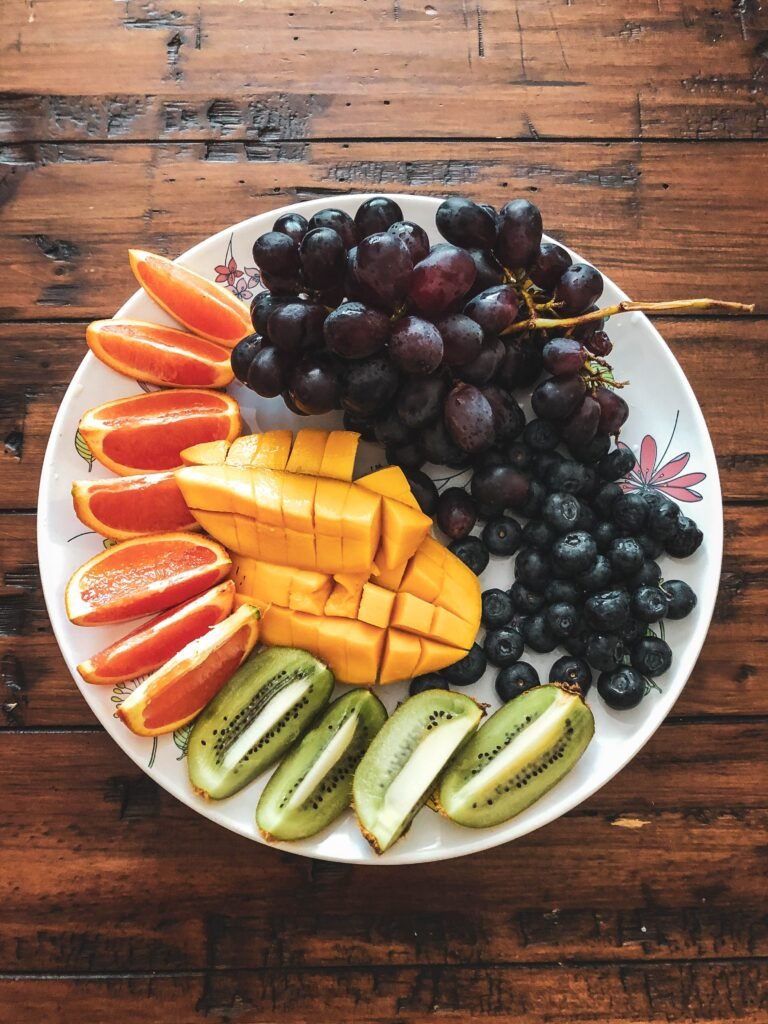
🍇 Amazing Benefits of Eating ‘Fruits’ Regularly: Rejuvenate Skin, Nourish Your Body and Soul
Nature has gifted us with an incredible variety of fruits that are not only delicious but also packed with vitamins, minerals, antioxidants, fiber, and water. Eating fruits regularly is one of the simplest and most enjoyable ways to improve your overall health, support glowing skin, strengthen your immune system, and enhance both physical and mental well-being. Whether enjoyed fresh, blended into smoothies, added to salads, or paired with healthy snacks, fruits provide natural nourishment without the excessive sugars, unhealthy fats, and additives often found in processed foods.
Regular fruit consumption contributes to a healthy body and a positive mind. Their vibrant colors reflect the unique plant compounds they contain, each offering different health benefits. A balanced diet that includes a variety of fruits helps maintain healthy digestion, promotes heart health, supports brain function, and leaves your skin looking radiant and refreshed.
This guide explores 21 nutritious fruits, their key nutrients, health benefits, the best ways to enjoy them, and the ideal times to include them in your daily routine.
Why Eating Fruits Everyday Matters
Fruits are naturally rich in nutrients that help every part of the body function effectively.
Regular fruit consumption can help:
- Boost the immune system
- Improve digestion
- Support healthy skin
- Promote heart health
- Increase energy naturally
- Maintain healthy body weight
- Improve hydration
- Support brain function
- Reduce the risk of many chronic diseases
- Promote healthy aging
Eating 2–4 servings of fruit daily, as part of an overall balanced diet, is a practical goal for many healthy adults. Individual needs can vary depending on age, activity level, and health conditions.
1. Apple
Useful Nutrients
- Dietary fiber
- Vitamin C
- Potassium
- Polyphenol antioxidants
Benefits
- Supports digestion
- Helps maintain heart health
- Promotes fullness between meals
- Supports healthy skin
How to Eat
- Fresh slices
- With peanut butter
- In oatmeal
- Fruit salad
Best Time
Morning or as a mid-morning snack.
2. Banana
Useful Nutrients
- Potassium
- Vitamin B6
- Vitamin C
- Natural carbohydrates
- Fiber
Benefits
- Provides quick energy
- Supports muscle function
- Helps replenish energy after exercise
- Supports healthy digestion
How to Eat
- Fresh
- Smoothies
- Oatmeal
- Yogurt
Best Time
Breakfast or after exercise.
3. Orange
Useful Nutrients
- Vitamin C
- Folate
- Fiber
- Potassium
Benefits
- Supports collagen production
- Boosts immunity
- Helps keep skin healthy
- Aids hydration
How to Eat
- Fresh segments
- Fruit salad
- Freshly squeezed juice (preferably with pulp)
Best Time
Morning.
4. Mango
Useful Nutrients
- Vitamin A
- Vitamin C
- Vitamin E
- Fiber
Benefits
- Supports eye health
- Promotes glowing skin
- Supports immune function
How to Eat
- Fresh slices
- Smoothies
- Yogurt bowls
Best Time
Late morning or afternoon.
5. Papaya
Useful Nutrients
- Vitamin C
- Vitamin A
- Folate
- Papain enzyme
Benefits
- Supports digestion
- May contribute to healthy-looking skin
- Helps support immune health
How to Eat
- Fresh cubes
- Smoothies
- Fruit bowls
Best Time
Morning.
6. Watermelon
Useful Nutrients
- Water
- Vitamin A
- Vitamin C
- Lycopene
Benefits
- Helps maintain hydration
- Refreshes the body
- Supports skin health
How to Eat
- Chilled slices
- Fruit salad
- Smoothies
Best Time
Midday during warm weather.
7. Pineapple
Useful Nutrients
- Vitamin C
- Manganese
- Bromelain enzyme
Benefits
- Supports digestion
- Helps reduce oxidative stress
- Supports immunity
How to Eat
- Fresh chunks
- Fruit salad
- Smoothies
Best Time
Morning or afternoon.
8. Grapes
Useful Nutrients
- Vitamin K
- Vitamin C
- Resveratrol
- Antioxidants
Benefits
- Supports heart health
- Helps protect cells from oxidative damage
- Aids hydration
How to Eat
- Fresh
- Frozen as a snack
- Fruit bowls
Best Time
Afternoon snack.
9. Strawberries
Useful Nutrients
- Vitamin C
- Manganese
- Fiber
- Antioxidants
Benefits
- Supports collagen production
- Promotes healthy skin
- Supports heart health
How to Eat
- Yogurt
- Smoothies
- Fresh salads
Best Time
Morning.
10. Blueberries
Useful Nutrients
- Vitamin C
- Vitamin K
- Anthocyanins
- Fiber
Benefits
- Supports brain health
- Rich in antioxidants
- Supports healthy aging
How to Eat
- Oatmeal
- Yogurt
- Smoothies
Best Time
Breakfast.
11. Kiwi
Useful Nutrients
- Vitamin C
- Vitamin E
- Potassium
- Fiber
Benefits
- Supports digestion
- Promotes healthy skin
- Supports immune health
How to Eat
- Fresh
- Fruit salad
- Smoothies
Best Time
Morning.
12. Pear
Useful Nutrients
- Fiber
- Vitamin C
- Potassium
Benefits
- Supports digestive health
- Helps promote fullness
- Supports heart health
How to Eat
- Fresh
- Salad
- Baked
Best Time
Mid-morning.
13. Guava
Useful Nutrients
- Vitamin C
- Fiber
- Potassium
- Vitamin A
Benefits
- Supports immunity
- Helps maintain digestive health
- Supports skin health
How to Eat
- Fresh slices
- Fruit chaat
- Smoothies
Best Time
Morning.
14. Pomegranate
Useful Nutrients
- Vitamin C
- Vitamin K
- Folate
- Polyphenols
Benefits
- Rich in antioxidants
- Supports heart health
- May help protect cells from oxidative stress
How to Eat
- Fresh seeds
- Yogurt
- Salads
Best Time
Afternoon.
15. Peach
Useful Nutrients
- Vitamin C
- Vitamin A
- Potassium
Benefits
- Supports skin hydration
- Promotes healthy digestion
- Provides antioxidants
How to Eat
- Fresh
- Smoothies
- Fruit bowls
Best Time
Morning.
16. Plum
Useful Nutrients
- Fiber
- Vitamin C
- Vitamin K
Benefits
- Supports digestive health
- Provides antioxidants
- Supports bone health
How to Eat
- Fresh
- Fruit salad
Best Time
Afternoon.
17. Cherry
Useful Nutrients
- Vitamin C
- Potassium
- Anthocyanins
Benefits
- Rich in antioxidants
- May support exercise recovery
- Supports heart health
How to Eat
- Fresh
- Smoothies
- Yogurt
Best Time
Evening snack.
18. Avocado
Useful Nutrients
- Healthy monounsaturated fats
- Vitamin E
- Potassium
- Folate
- Fiber
Benefits
- Supports heart health
- Nourishes skin
- Helps increase satisfaction after meals
How to Eat
- Toast
- Salads
- Smoothies
- Sandwiches
Best Time
Breakfast or lunch.
19. Dragon Fruit
Useful Nutrients
- Vitamin C
- Fiber
- Magnesium
- Antioxidants
Benefits
- Supports digestion
- Helps maintain hydration
- Supports immune health
How to Eat
- Fresh cubes
- Smoothie bowls
Best Time
Morning.
20. Coconut (Fresh)
Useful Nutrients
- Healthy fats
- Manganese
- Fiber
- Copper
Benefits
- Provides sustained energy
- Supports hydration when paired with coconut water
- Adds satisfying texture to meals
How to Eat
- Fresh coconut pieces
- Smoothies
- Salads
Best Time
Morning or afternoon.
21. Dates
Useful Nutrients
- Fiber
- Potassium
- Magnesium
- Iron
- Natural sugars
Benefits
- Quick natural energy
- Supports digestion
- Rich in minerals
How to Eat
- As a snack
- Stuffed with nuts
- Added to smoothies or oatmeal
Best Time
Morning, before exercise, or to break a fast.
How Fruits Help Rejuvenate Your Skin
Many fruits contain nutrients that support healthy skin by helping the body maintain collagen, protect against oxidative stress, and stay hydrated.
- Vitamin C (oranges, kiwi, strawberries, guava) supports collagen formation.
- Vitamin A (mango, papaya) contributes to healthy skin cell renewal.
- Vitamin E (avocado, kiwi) helps protect skin from oxidative damage.
- Water-rich fruits (watermelon, oranges) support hydration.
- Antioxidants (berries, grapes, pomegranate) help protect skin cells from environmental stressors.
A consistent skincare routine, adequate sleep, sun protection, and a balanced diet work together to maintain healthy-looking skin.
Simple Ways to Add Fruits to Your Daily Diet
- Add berries or banana to oatmeal.
- Blend fresh fruit into smoothies without added sugar.
- Mix chopped fruits into yogurt.
- Prepare colorful fruit salads.
- Pack an apple, pear, or banana for work or school.
- Add pomegranate seeds to salads.
- Freeze grapes or banana slices for a refreshing snack.
- Enjoy seasonal fruits for variety and freshness.
Sample Daily Fruit Routine
Early Morning (6:30–7:00 AM)
Warm water followed by a kiwi or an orange.
Breakfast (7:30–8:30 AM)
Oatmeal topped with banana and blueberries.
Mid-Morning Snack (10:30 AM)
An apple or a pear.
Lunch (1:00 PM)
A side of fresh papaya or pineapple.
Afternoon Snack (4:00 PM)
Watermelon, grapes, or guava.
Evening (6:00 PM)
A handful of cherries or pomegranate seeds.
Dessert (After Dinner, if desired)
A few slices of mango (when in season) or fresh strawberries, while keeping portion sizes moderate.
Helpful Tips for Maximum Nutrition
- Choose fresh, seasonal fruits whenever possible.
- Wash fruits thoroughly before eating.
- Eat a variety of colors to obtain a broader range of nutrients.
- Prefer whole fruits over fruit juices to retain fiber.
- Pair fruit with protein or healthy fats, such as yogurt or nuts, for a more satisfying snack.
- Store fruits properly to preserve freshness and nutritional quality.
- If you have diabetes, kidney disease, or another medical condition that affects your diet, discuss fruit choices and portion sizes with your healthcare provider or a registered dietitian.
Conclusion
Eating a variety of fruits regularly is one of the most enjoyable and natural ways to nourish your body, refresh your mind, and support healthy, radiant skin. From the vitamin C in oranges and guavas to the healthy fats in avocados and the antioxidants in berries and pomegranates, each fruit contributes unique nutrients that help the body thrive. Including a colorful assortment of fruits in your daily meals can improve digestion, support immunity, enhance hydration, promote heart and brain health, and encourage healthy aging. Combined with a balanced diet, regular physical activity, adequate sleep, and proper hydration, fruits become a powerful part of a lifestyle that supports long-term wellness, vitality, and a lasting sense of well-being.