
🆕 Learning ‘New Activities’ for Productivity & Self-Growth
In a rapidly changing world, the ability to learn new activities has become one of the most valuable skills a person can possess. Every day presents opportunities to discover something different, improve existing abilities, and expand our understanding of ourselves and the world around us. Whether it is learning a new language, trying a creative hobby, mastering a practical skill, or exploring an unfamiliar subject, every new activity contributes to personal growth and increased productivity.
Many people believe that learning ends after school or college, but true learning continues throughout life. Those who remain curious and open to new experiences often develop stronger problem-solving abilities, greater confidence, improved adaptability, and a more positive outlook. Learning keeps the mind active, encourages creativity, and prepares individuals to face future challenges with resilience.
Most importantly, learning new activities helps break the routine of everyday life. Instead of feeling stuck in repetitive patterns, people experience excitement, motivation, and renewed energy. Every new skill becomes another building block toward a richer, more fulfilling life.
Why Learning New Activities Matters
Human beings naturally enjoy growth and progress. Learning satisfies our curiosity and helps us become more capable individuals.
The benefits include:
- Improved confidence.
- Greater creativity.
- Better problem-solving abilities.
- Enhanced productivity.
- Increased adaptability.
- Stronger communication skills.
- Improved memory.
- Better emotional well-being.
- Expanded career opportunities.
- Greater life satisfaction.
Each new activity strengthens the brain while creating opportunities for meaningful experiences.
Instead of fearing change, lifelong learners embrace it as an opportunity for growth.
Learning Keeps the Mind Active
Just as physical exercise strengthens muscles, learning strengthens the brain.
Trying new activities encourages the brain to create new connections and process information in different ways.
Activities such as:
- Reading.
- Learning a musical instrument.
- Solving puzzles.
- Studying a new language.
- Painting.
- Gardening.
all stimulate mental activity.
An active mind remains curious, focused, and better prepared to handle complex situations.
Continuous learning helps maintain mental sharpness throughout life.
Builds Self-Confidence
Confidence grows through accomplishment.
Every time you successfully learn something new, you prove to yourself that you are capable of improvement.
Examples include:
- Cooking your first healthy meal.
- Completing a photography course.
- Learning basic coding.
- Speaking a few phrases in another language.
- Finishing a craft project.
These achievements gradually replace self-doubt with self-belief.
The more challenges you overcome, the stronger your confidence becomes.
Encourages Creativity
Learning new activities exposes you to fresh ideas and different perspectives.
Creative hobbies such as:
- Drawing.
- Writing.
- Photography.
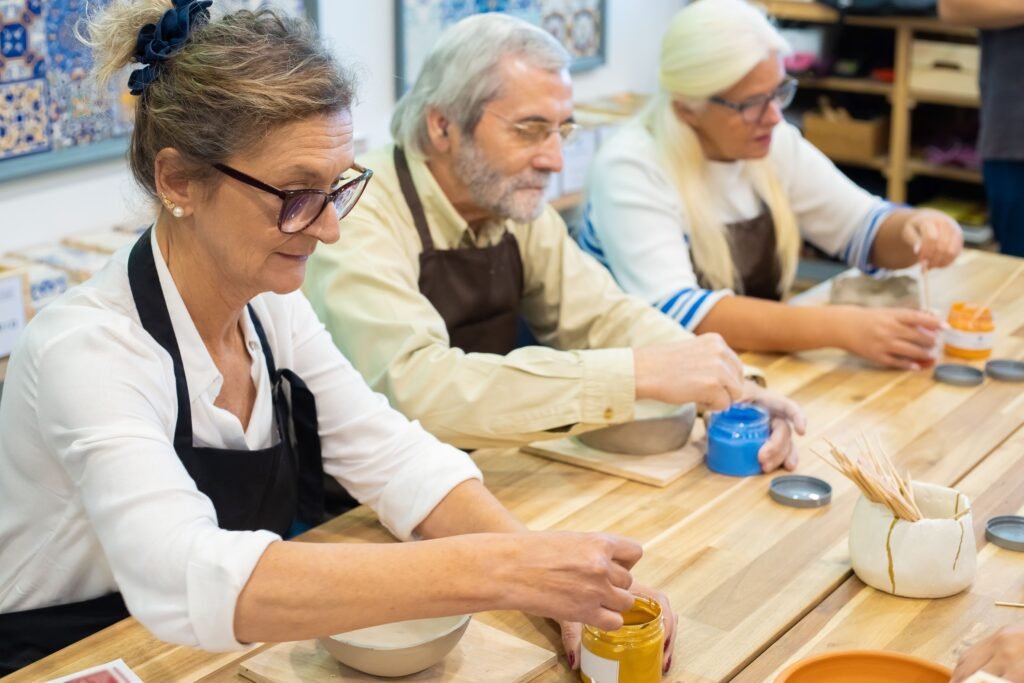
- Pottery.
- Music.
- Woodworking.
encourage imaginative thinking.
Creativity also improves problem-solving because it teaches you to explore multiple solutions instead of relying on one familiar approach.
Creative thinking benefits both personal and professional life.
Improves Productivity
Learning often leads to greater efficiency.
For example:
Learning keyboard shortcuts saves time.
Studying time management improves organization.
Mastering digital tools increases workplace efficiency.
Developing cooking skills simplifies meal preparation.
Each new skill can make daily tasks easier and more effective.
Productive people consistently invest in learning because they understand that small improvements accumulate over time.
Helps You Adapt to Change
The modern world evolves quickly.
Technology, workplaces, and industries continue changing.
People who regularly learn new skills adapt more comfortably.
Instead of resisting change, they view it as another opportunity to grow.
Adaptability reduces stress because unfamiliar situations become exciting challenges rather than overwhelming obstacles.
Learning builds resilience for an ever-changing future.
Develops Patience and Discipline
Every worthwhile skill requires practice.
Whether learning:
- Piano.
- Painting.
- Public speaking.
- Gardening.
- Swimming.
progress happens gradually.
Regular practice teaches patience.
Consistency develops discipline.
These qualities extend beyond learning activities into work, relationships, and personal goals.
Discipline created through learning supports long-term success.
Strengthens Communication Skills
Many activities improve communication.
Examples include:
- Reading regularly.
- Joining discussion groups.
- Learning public speaking.
- Studying another language.
- Participating in community workshops.
Improved communication increases confidence while strengthening relationships.
Listening carefully and expressing ideas clearly become valuable lifelong skills.
Good communication supports both leadership and teamwork.
Reduces Stress
Learning enjoyable activities provides a healthy escape from daily pressures.
Hobbies such as:
- Painting.
- Gardening.
- Baking.
- Knitting.
- Playing an instrument.
encourage mindfulness.
The mind focuses on the activity rather than daily worries.
This mental break helps reduce stress while promoting emotional balance.
Many people find their favorite hobby becomes a valuable source of relaxation.
Encourages Lifelong Curiosity
Curiosity is one of humanity’s greatest strengths.
Curious individuals continue asking:
- Why?
- How?
- What if?
These questions inspire exploration and discovery.
Curiosity keeps life interesting.
Instead of fearing the unknown, lifelong learners become excited by opportunities to explore.
Every new skill opens doors to additional learning experiences.
Inspiring Examples of Lifelong Learners
Many respected individuals achieved remarkable success because they never stopped learning.
1. Leonardo da Vinci
Leonardo da Vinci explored art, engineering, anatomy, architecture, and science throughout his life. His endless curiosity demonstrates how learning across different fields encourages creativity and innovation.
2. Benjamin Franklin
Benjamin Franklin continuously learned through reading, experimentation, writing, and public service. His broad interests helped him make lasting contributions to society.
3. Marie Curie
Marie Curie’s dedication to scientific learning and research transformed modern science. Her perseverance reminds us that continuous education leads to extraordinary discoveries.
4. Elon Musk
Elon Musk is widely recognized for teaching himself about multiple industries, including engineering, software, manufacturing, and space technology. His curiosity demonstrates the power of self-directed learning.
5. Maya Angelou
Maya Angelou believed in lifelong education through reading, writing, travel, and meaningful conversations. Her experiences enriched both her work and her understanding of humanity.
6. Temple Grandin
Temple Grandin transformed her curiosity into practical solutions in animal science. Her willingness to think differently shows how learning can create positive change.
7. Satya Nadella
Satya Nadella frequently emphasizes having a “learn-it-all” mindset rather than a “know-it-all” mindset. His leadership demonstrates the value of continuous improvement and curiosity.
8. Jane Goodall
Jane Goodall’s lifelong study of wildlife reflects patience, observation, and a passion for learning. Her work continues to inspire curiosity about nature.
9. Nelson Mandela
Nelson Mandela believed that education is one of the most powerful tools for changing lives. His lifelong commitment to learning strengthened both his leadership and resilience.
10. Malala Yousafzai
Malala Yousafzai continues advocating for education worldwide. Her dedication reminds us that learning empowers individuals to improve both their own lives and their communities.
These inspiring individuals prove that continuous learning is one of the strongest foundations for personal growth and meaningful achievement.
Practical Activities to Learn
There are countless activities that encourage productivity and self-growth.
Consider exploring:
- Cooking nutritious meals.
- Learning photography.
- Gardening.
- Public speaking.
- Digital design.
- Creative writing.
- Painting.
- Playing chess.
- Yoga.
- Meditation.
- Swimming.
- Cycling.
- Coding.
- Graphic design.
- Financial literacy.
- Sewing.
- Woodworking.
- Bird watching.
- Volunteering.
- Learning a new language.
The best activity is one that genuinely interests you and encourages regular practice.
Set Realistic Learning Goals
Avoid trying to master everything at once.
Instead:
- Learn one skill at a time.
- Practice regularly.
- Celebrate small improvements.
- Accept mistakes as part of learning.
Small, consistent efforts produce lasting progress.
Patience allows confidence to grow naturally.
Make Learning Part of Your Daily Routine
You do not need several hours each day.
Even twenty to thirty minutes of focused learning can produce remarkable long-term results.
Examples include:
- Reading before bed.
- Practicing an instrument after work.
- Watching educational videos.
- Learning vocabulary during lunch.
- Sketching each evening.
Daily consistency matters more than occasional intensity.
Learn with Others
Learning becomes even more enjoyable when shared.
Join:
- Book clubs.
- Community classes.
- Online study groups.
- Sports teams.
- Volunteer organizations.
- Hobby clubs.
Learning together encourages accountability while creating meaningful friendships.
Sharing knowledge also strengthens understanding.
Overcome Fear of Failure
Many people hesitate to try new activities because they fear making mistakes.
Remember:
Every expert was once a beginner.
Mistakes provide valuable lessons.
Improvement comes through practice rather than perfection.
Confidence grows every time you continue despite challenges.
Learning requires courage, patience, and persistence.
Keep a Growth Mindset
Believe that abilities can improve through effort.
Instead of saying:
“I’m not good at this.”
Say:
“I’m still learning.”
This simple change encourages perseverance.
Growth-minded individuals view challenges as opportunities rather than obstacles.
Their willingness to improve creates long-term success.
Celebrate Progress
Every achievement deserves recognition.
Celebrate:
- Completing a course.
- Reading a book.
- Learning a recipe.
- Mastering a new technique.
- Practicing consistently.
Acknowledging progress builds motivation.
Small successes inspire continued learning.
Conclusion
Learning new activities is one of the most rewarding investments you can make in yourself. Every new skill, hobby, or experience strengthens your confidence, expands your knowledge, improves productivity, and enriches your personal growth. Whether you choose to learn a language, develop a creative hobby, improve your communication skills, or explore practical life skills, each step forward contributes to a more capable, resilient, and fulfilled version of yourself.
The inspiring examples of lifelong learners such as Leonardo da Vinci, Benjamin Franklin, Marie Curie, Elon Musk, Maya Angelou, Temple Grandin, Satya Nadella, Jane Goodall, Nelson Mandela, and Malala Yousafzai remind us that curiosity and continuous learning have the power to transform lives. Their journeys demonstrate that growth does not end with formal education—it continues through every question asked, every challenge accepted, and every new experience embraced.
By making learning a daily habit, setting realistic goals, practicing consistently, and remaining open to new opportunities, you create a life filled with purpose, confidence, creativity, and productivity. Remember that every expert once started as a beginner. The willingness to learn today lays the foundation for the achievements of tomorrow, making lifelong learning one of the greatest paths to lasting self-growth and personal success.