

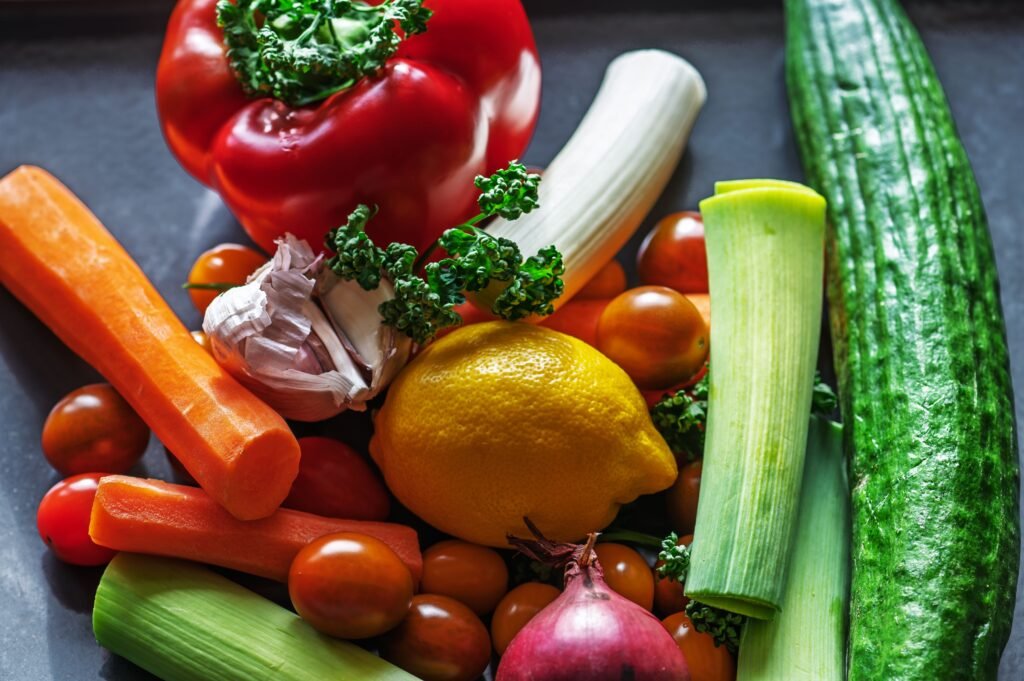
🍅 Intake of Surplus ‘Vegetables’ in Your Diet Boosts Immunity with Positive Benefits
Vegetables are among the most valuable foods you can include in your daily diet. Rich in vitamins, minerals, antioxidants, dietary fiber, and plant-based nutrients, they provide countless health benefits that support both physical and mental well-being. While no single food can guarantee perfect health or prevent illness on its own, regularly eating a variety of vegetables as part of a balanced diet can help support a healthy immune system, improve digestion, maintain a healthy weight, and reduce the risk of many chronic diseases.
The phrase “eat your vegetables” has been repeated for generations because it carries timeless wisdom. Colorful vegetables nourish the body, fuel the brain, and help maintain energy throughout the day. By making vegetables a larger portion of your meals, you invest in long-term wellness and create healthy habits that benefit your entire family.
Why Vegetables Matter
Vegetables are naturally low in calories and high in nutrients. They contain important vitamins such as Vitamin A, Vitamin C, Vitamin K, folate, and various B vitamins, along with essential minerals including potassium, magnesium, and iron. Many vegetables are also rich in antioxidants, which help protect the body’s cells from damage caused by free radicals.
Unlike highly processed foods that may contain excess sugar, unhealthy fats, or sodium, vegetables provide nutrition without unnecessary additives. Eating a wide variety of vegetables ensures that your body receives a broad range of nutrients needed for growth, repair, and daily functioning.
How Vegetables Help Support the Immune System
A strong immune system depends on many factors, including adequate sleep, regular exercise, stress management, vaccination where appropriate, and good nutrition. Vegetables play an important role by supplying nutrients that help the immune system function effectively.
1. Rich Source of Vitamin C
Vegetables such as bell peppers, broccoli, Brussels sprouts, and leafy greens provide Vitamin C, which supports the normal function of immune cells and helps the body heal wounds.
Vitamin C also contributes to collagen production, keeping skin healthy and supporting the body’s natural protective barrier.
2. Packed with Antioxidants
Many colorful vegetables contain antioxidants such as beta-carotene, lutein, lycopene, and flavonoids.
These compounds help protect cells from oxidative stress, which may contribute to healthy aging and overall wellness.
Examples include:
- Tomatoes
- Carrots
- Spinach
- Kale
- Sweet potatoes
- Red cabbage
The more colorful your plate, the greater the variety of beneficial plant compounds you are likely to consume.
3. Supports Healthy Gut Bacteria
Much of the immune system is connected to the digestive tract.
Vegetables rich in dietary fiber help nourish beneficial gut bacteria, creating a balanced digestive environment that supports overall health.
Healthy gut bacteria assist with:
- Digestion
- Nutrient absorption
- Production of certain vitamins
- Immune system regulation
Excellent Vegetables to Include Daily
Different vegetables provide different nutrients, so variety is key.
Leafy Green Vegetables
Examples include:
- Spinach
- Kale
- Lettuce
- Swiss chard
- Mustard greens
Benefits include:
- Iron
- Calcium
- Vitamin K
- Folate
- Magnesium
These vegetables support bone health, blood formation, and overall vitality.
Cruciferous Vegetables
Examples:
- Broccoli
- Cauliflower
- Cabbage
- Brussels sprouts
Benefits:
- High fiber
- Vitamin C
- Antioxidants
- Plant compounds associated with long-term health
Orange and Yellow Vegetables
Examples:
- Carrots
- Pumpkin
- Sweet potatoes
- Yellow peppers
Rich in beta-carotene, which the body converts into Vitamin A, supporting healthy vision, skin, and immune function.
Red Vegetables
Examples:
- Tomatoes
- Red peppers
- Beets
These vegetables provide antioxidants and important vitamins while adding vibrant color to meals.
Purple Vegetables
Examples:
- Eggplant
- Purple cabbage
- Purple carrots
Their natural pigments contain plant compounds that contribute to overall health.
Positive Benefits of Eating More Vegetables
1. Better Digestive Health
Fiber keeps the digestive system functioning smoothly.
Benefits include:
- Regular bowel movements
- Improved gut health
- Reduced constipation
- Better nutrient absorption
A healthy digestive system often contributes to improved overall comfort and energy.
2. Supports Healthy Weight Management
Vegetables are generally:
- Low in calories
- High in water
- Rich in fiber
These qualities help increase feelings of fullness, making it easier to maintain a balanced calorie intake without sacrificing nutrition.
Replacing some processed snacks with vegetables can support healthy weight goals.
3. Promotes Heart Health
Many vegetables contain potassium and fiber, nutrients associated with maintaining healthy blood pressure and supporting cardiovascular health as part of a balanced diet.
A vegetable-rich eating pattern is often recommended for overall heart wellness.
4. Helps Maintain Healthy Blood Sugar
Non-starchy vegetables generally have a low glycemic impact and are rich in fiber.
Including vegetables in meals may help slow digestion and contribute to steadier blood sugar levels when combined with balanced eating habits.
5. Supports Healthy Skin
Nutrients found in vegetables contribute to skin health.
Vitamin C supports collagen formation, while antioxidants help protect skin cells from environmental damage.
Healthy eating often reflects in clearer, healthier-looking skin.
6. Strengthens Bones
Vegetables such as broccoli, kale, and leafy greens contain nutrients like Vitamin K, calcium, and magnesium, which support strong bones.
Combined with adequate Vitamin D and regular exercise, vegetables contribute to long-term bone health.
7. Improves Eye Health
Carrots are famous for supporting vision, but many vegetables contribute to eye health.
Leafy greens contain lutein and zeaxanthin, while orange vegetables provide beta-carotene.
These nutrients support healthy eyesight throughout life.
8. Supports Brain Function
Vegetables supply nutrients needed for healthy brain function.
Folate, antioxidants, and various vitamins support normal cognitive processes and overall mental well-being.
Healthy eating patterns are associated with better long-term brain health.
9. Provides Lasting Energy
Unlike sugary foods that may cause rapid spikes and crashes in energy, vegetables provide steady nourishment when paired with whole grains, healthy fats, and proteins.
Balanced meals help maintain productivity throughout the day.
10. Encourages Healthy Aging
The antioxidants and nutrients in vegetables help protect cells from everyday wear and tear.
Combined with healthy lifestyle habits, regular vegetable intake supports healthy aging and overall vitality.
Simple Ways to Eat More Vegetables
Adding vegetables to your meals doesn’t have to be difficult.
Try these ideas:
- Add spinach to omelets.
- Include tomatoes in sandwiches.
- Mix vegetables into soups.
- Prepare colorful salads.
- Roast mixed vegetables with herbs.
- Add mushrooms to pasta dishes.
- Include cucumbers with lunch.
- Snack on carrot or cucumber sticks.
- Blend leafy greens into smoothies.
- Add extra vegetables to rice dishes.
Small daily changes can make a significant difference over time.
Make Every Plate More Colorful
Nutrition experts often encourage “eating the rainbow.”
Different colors represent different beneficial nutrients.
Aim to include:
- Green vegetables
- Orange vegetables
- Red vegetables
- Purple vegetables
- White vegetables
A colorful plate is usually a nutritious one.
Healthy Cooking Methods
Cooking methods influence nutritional value.
Excellent options include:
- Steaming
- Stir-frying with small amounts of healthy oil
- Roasting
- Grilling
- Baking
- Eating certain vegetables raw
Avoid overcooking vegetables, as prolonged cooking can reduce some heat-sensitive vitamins.
Family Benefits of Eating Vegetables Together
Healthy eating habits often begin at home.
Families who regularly enjoy vegetable-rich meals may benefit from:
- Better nutrition
- Shared healthy habits
- Positive role modeling for children
- Opportunities to try new recipes
- Enjoyable cooking experiences together
Children are more likely to eat vegetables when they see adults enjoying them too.
Budget-Friendly Vegetable Choices
Eating more vegetables doesn’t have to be expensive.
Affordable options include:
- Seasonal produce
- Frozen vegetables without added sauces
- Local market produce
- Cabbage
- Carrots
- Onions
- Spinach
- Pumpkins
- Green beans
Frozen vegetables can be just as nutritious as fresh ones because they are often frozen soon after harvesting.
Common Myths About Vegetables
Myth 1: Only Fresh Vegetables Are Healthy
Fact: Frozen and canned vegetables (without excessive salt or sugar) can also be nutritious choices.
Myth 2: One Vegetable Is Enough
Fact: Different vegetables provide different nutrients, making variety important.
Myth 3: Vegetables Are Boring
Fact: Herbs, spices, healthy sauces, roasting, and creative recipes can make vegetables flavorful and enjoyable.
Myth 4: Children Never Like Vegetables
Fact: Children often need repeated exposure to new foods. Offering vegetables in different forms and involving children in meal preparation can help them become more willing to try them.
Building Lifelong Healthy Habits
Healthy eating is not about perfection.
Instead, focus on consistency.
Good habits include:
- Filling half your plate with vegetables at lunch and dinner.
- Trying one new vegetable each week.
- Keeping washed vegetables ready for snacks.
- Including vegetables in packed lunches.
- Choosing vegetable-based side dishes more often.
- Growing herbs or vegetables at home if possible.
These small actions become powerful habits over time.
The Mental Benefits of Healthy Eating
A nutritious diet that includes plenty of vegetables supports overall well-being and can contribute to feeling more energetic and emotionally balanced.
Preparing healthy meals also encourages:
- Mindful eating
- Better self-care
- Family bonding
- Confidence in cooking
- Appreciation for wholesome foods
Healthy food choices often inspire other positive lifestyle habits.
Pair Vegetables with Other Healthy Foods
Vegetables work best as part of a balanced eating pattern.

Combine them with:
- Whole grains such as brown rice or whole-wheat bread.
- Lean proteins like fish, beans, lentils, eggs, or skinless poultry.
- Healthy fats from nuts, seeds, olive oil, or avocado.
- Fruits and dairy or fortified alternatives where appropriate.
This combination provides a broad range of nutrients for overall health.
Final Thoughts
Increasing the amount and variety of vegetables in your daily diet is one of the simplest and most effective ways to support your overall health. While vegetables alone cannot prevent illness or guarantee strong immunity, they provide essential vitamins, minerals, fiber, and antioxidants that help your immune system function properly and contribute to long-term well-being.
Every colorful serving adds valuable nutrition that supports healthy digestion, heart health, brain function, skin, bones, and energy levels. Whether you enjoy them fresh, frozen, steamed, roasted, or added to your favorite recipes, vegetables can make every meal more nourishing and satisfying.
Start with small, sustainable changes. Add an extra serving of vegetables to lunch, experiment with new recipes, and aim for a colorful plate each day. Over time, these simple habits can lead to lasting improvements in health, helping you feel stronger, more energetic, and better prepared to enjoy an active, fulfilling life.