

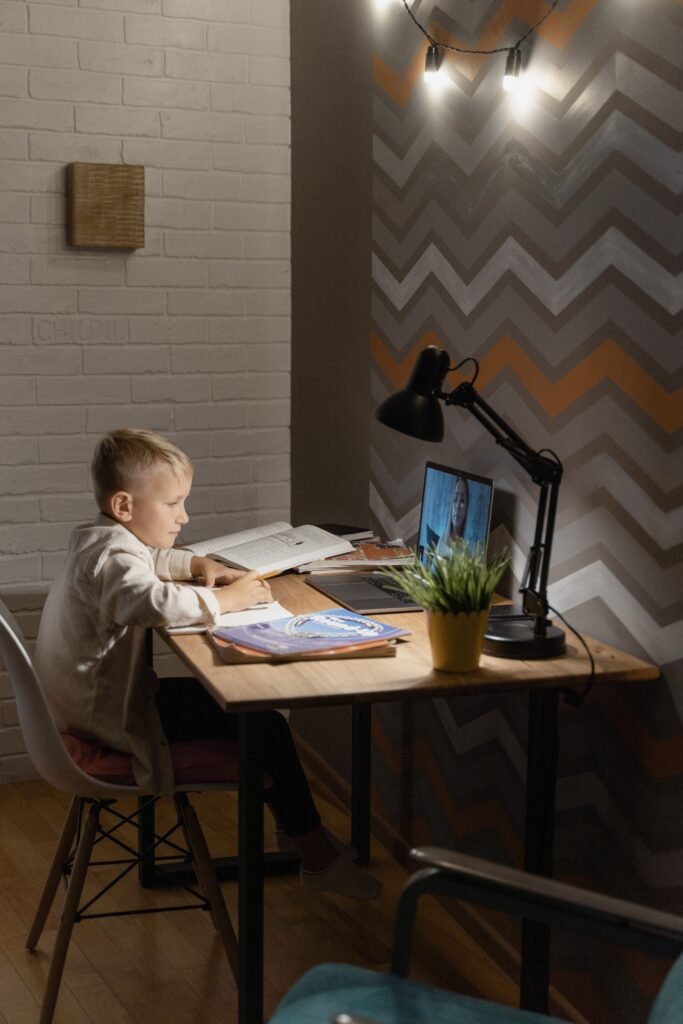
📚 Make Comfortable ‘Study Areas’ for Kids for Positive and Productive Learning
Creating a comfortable study area for children is one of the most valuable investments parents can make in their child’s education and overall development. A thoughtfully designed learning space encourages concentration, creativity, confidence, and a love for learning. While expensive furniture and elaborate decorations are not necessary, a clean, organized, and welcoming environment can significantly influence a child’s motivation to study.
Children spend a considerable amount of time completing homework, reading books, practicing writing, exploring creative projects, and preparing for examinations. A dedicated study area helps them understand that learning is an important and enjoyable part of their daily routine. When the environment feels calm, cheerful, and comfortable, children are more likely to remain focused, absorb information effectively, and develop positive study habits that benefit them throughout their lives.
A delightful study atmosphere goes beyond a desk and chair. It includes proper lighting, organization, emotional support, encouragement, and an environment where children feel safe to ask questions, make mistakes, and celebrate progress.

Below are practical and inspiring tips to create a comfortable study area that promotes productive learning and a positive mindset.
1. Choose a Quiet Location
A peaceful environment helps children concentrate better.
Select a place that is:
- Away from loud television sounds
- Free from constant interruptions
- Comfortable and peaceful
- Suitable for regular study sessions
A quiet space reduces distractions and improves focus.
2. Provide Comfortable Furniture
Children study better when they are physically comfortable.
Choose:
- A sturdy desk
- A supportive chair
- Appropriate desk height
- Enough legroom
Comfort helps children remain focused for longer periods without unnecessary discomfort.
3. Ensure Good Lighting
Proper lighting reduces eye strain and improves concentration.
Natural daylight is ideal whenever possible.
If studying in the evening, use:
- Bright desk lamps
- Soft overhead lighting
- Lighting that avoids glare on books and screens
A well-lit room creates an inviting learning atmosphere.
4. Keep the Study Area Organized
Organization encourages productive habits.
Arrange:
- Books neatly
- Stationery in containers
- School supplies within reach
- Papers in folders
A tidy workspace minimizes distractions and saves time.
5. Add Positive Colors
Colors influence mood and energy.
Gentle colors such as:
- Light blue
- Soft green
- Warm yellow
- White
- Pastel shades
can create a calm and cheerful environment.
Avoid overly dark or overwhelming color schemes.
6. Display Educational Materials
Decorate the study area with useful learning resources.
Examples include:
- Alphabet charts
- Multiplication tables
- World maps
- Science diagrams
- Vocabulary lists
- Inspirational quotes
Visual learning aids reinforce knowledge daily.
7. Personalize the Space
Allow children to participate in decorating their study area.
They may include:
- Artwork
- Family photos
- Favorite bookmarks
- Handmade crafts
- Achievement certificates
Personal touches help children feel proud of their learning space.
8. Minimize Distractions
A productive study area should have limited distractions.
Reduce:
- Loud music
- Unnecessary toys
- Television
- Mobile phone notifications
- Excessive clutter
A focused environment improves learning efficiency.
9. Keep Learning Materials Accessible
Easy access encourages independence.
Store:
- Books
- Pencils
- Erasers
- Notebooks
- Colored markers
- Calculators
Children become more organized when everything has its place.
10. Encourage Natural Ventilation
Fresh air improves concentration and comfort.
Open windows whenever possible to:
- Improve airflow
- Refresh the room
- Maintain alertness
A fresh environment supports better learning.
11. Include a Comfortable Reading Corner
Reading develops imagination and language skills.
A cozy reading corner may include:
- Soft cushions
- Bean bags
- Small bookshelf
- Reading lamp
- Favorite storybooks
Children often read more when the space feels inviting.
12. Maintain Cleanliness
A clean study area creates a peaceful atmosphere.
Regularly:
- Dust shelves
- Organize books
- Clean the desk
- Empty waste bins
Clean surroundings encourage positive habits.
13. Display Inspirational Messages
Positive words motivate children.
Examples include:
- “Believe in Yourself.”
- “Every Day is a Chance to Learn.”
- “Mistakes Help You Grow.”
- “Small Steps Lead to Big Success.”
Encouraging messages build confidence.
14. Keep Healthy Snacks Nearby
Nutritious snacks support brain function.
Healthy options include:
- Fresh fruit
- Nuts (if appropriate for the child)
- Yogurt
- Whole-grain crackers
- Water
Proper nutrition helps maintain concentration.
15. Create a Daily Study Routine
Consistency builds discipline.
Establish regular times for:
- Homework
- Reading
- Revision
- Creative activities
Predictable routines reduce stress.
16. Encourage Breaks
Children cannot concentrate continuously for long periods.
Short breaks allow them to:
- Stretch
- Walk
- Drink water
- Relax their eyes
Balanced study sessions improve productivity.
17. Introduce Indoor Plants
Small indoor plants bring freshness.
Plants help create:
- Calm surroundings
- Natural beauty
- Pleasant atmosphere
They also encourage children to appreciate nature.
18. Organize School Supplies
Use storage solutions like:
- Pencil holders
- Drawer organizers
- Book racks
- Storage baskets
Everything becomes easier to find.
19. Celebrate Achievements
Display accomplishments proudly.
Examples:
- Certificates
- Artwork
- Good grades
- Completed projects
Recognition motivates children to continue learning.
20. Make Learning Fun
Learning should not feel like punishment.
Include:
- Educational games
- Creative projects
- Puzzle books
- Flashcards
- Interactive learning activities
Fun learning increases enthusiasm.
21. Encourage Independent Learning
Teach children to:
- Organize homework
- Solve simple problems independently
- Manage study materials
- Complete tasks responsibly
Independence builds confidence.
22. Keep Technology Organized
Digital devices can be valuable learning tools when used wisely.
Use technology for:
- Educational videos
- Online learning platforms
- Research
- Interactive lessons
Set reasonable screen-time limits to maintain balance.
23. Reduce Noise
If the home is busy, consider:
- Noise-reducing curtains
- Soft background instrumental music (if helpful)
- Closed doors during study time
A quieter environment improves focus.
24. Encourage Family Support
Parents and siblings can contribute by:
- Respecting study time
- Offering encouragement
- Helping when needed
- Celebrating effort
Supportive families increase children’s confidence.
25. Keep the Study Area Flexible
As children grow, their needs change.
Adjust:
- Furniture height
- Storage space
- Learning materials
- Decorations
A flexible study area grows with the child.
26. Encourage Creativity
Include supplies such as:
- Drawing paper
- Colored pencils
- Craft materials
- Building blocks
- Modeling clay
Creative activities stimulate imagination and problem-solving skills.
27. Teach Time Management
Use:
- Study planners
- Wall calendars
- Timetables
- Checklists
Children learn to balance schoolwork and leisure effectively.
28. Promote Positive Thinking
Remind children:
- Every mistake teaches something.
- Improvement takes practice.
- Hard work brings results.
- Learning is a lifelong adventure.
Positive thinking reduces fear of failure.
29. Encourage Questions
A welcoming study environment allows children to ask freely.
Respond with:
- Patience
- Curiosity
- Encouragement
- Respect
Questions are signs of learning.
30. Make the Study Space a Happy Place
Above all, the study area should inspire joy rather than pressure.
Smile often.
Celebrate progress.
Encourage effort.
Create happy learning experiences every day.
Simple Ideas to Make the Study Area More Delightful
You can easily enhance the learning environment by adding:
- Colorful book organizers
- Educational wall stickers
- Comfortable cushions
- A motivational quote board
- A family calendar
- A small globe
- A whiteboard for practice
- A corkboard for reminders
- Soft curtains that allow natural light
- A tidy bookshelf filled with age-appropriate books
These thoughtful additions make the study area more welcoming and enjoyable.
Positive Habits to Encourage During Study Time
A comfortable study area becomes even more effective when children practice good habits, such as:
- Beginning each session with a positive attitude.
- Keeping their desk clean before and after studying.
- Completing one task at a time.
- Taking short movement breaks.
- Drinking enough water.
- Asking for help when needed.
- Reading a little every day.
- Reviewing lessons regularly.
- Organizing books after use.
- Appreciating their own progress instead of comparing themselves with others.
These habits help children become responsible, independent learners.
Long-Term Benefits of a Comfortable Study Area
Creating a positive learning space offers many lasting advantages, including:
- Improved concentration and focus.
- Better academic performance.
- Increased self-confidence.
- Stronger organizational skills.
- Greater independence.
- Reduced stress during homework.
- More enjoyable learning experiences.
- Enhanced creativity and curiosity.
- Better time-management skills.
- A lifelong appreciation for education.
The positive habits formed in childhood often continue into adulthood, supporting success in school, higher education, and future careers.
Encouraging a Love for Learning
Children are naturally curious. A welcoming study area nurtures that curiosity by making learning feel exciting rather than stressful. Parents can strengthen this atmosphere by showing interest in what their children are learning, listening to their ideas, and praising effort as much as achievement.
Reading together, discussing interesting facts, exploring educational activities, and celebrating small milestones all contribute to a joyful learning culture at home. When children associate learning with encouragement, comfort, and discovery, they become more motivated to explore new subjects and build confidence in their abilities.
Conclusion
A comfortable study area is much more than a place to complete homework—it is a space where children develop confidence, curiosity, creativity, and lifelong learning habits. By providing a quiet, organized, well-lit, and inspiring environment, parents can help children stay focused, enjoy their studies, and approach challenges with a positive attitude.
The most effective learning spaces are those filled with encouragement, patience, and love. Comfortable furniture, organized supplies, motivational decorations, healthy routines, and emotional support all work together to create a delightful atmosphere where children can thrive. Every small effort made to improve a child’s study environment is an investment in their future. As children grow in such a nurturing space, they not only achieve better academic results but also develop resilience, responsibility, and a lifelong passion for learning that will guide them toward success in every stage of life.