

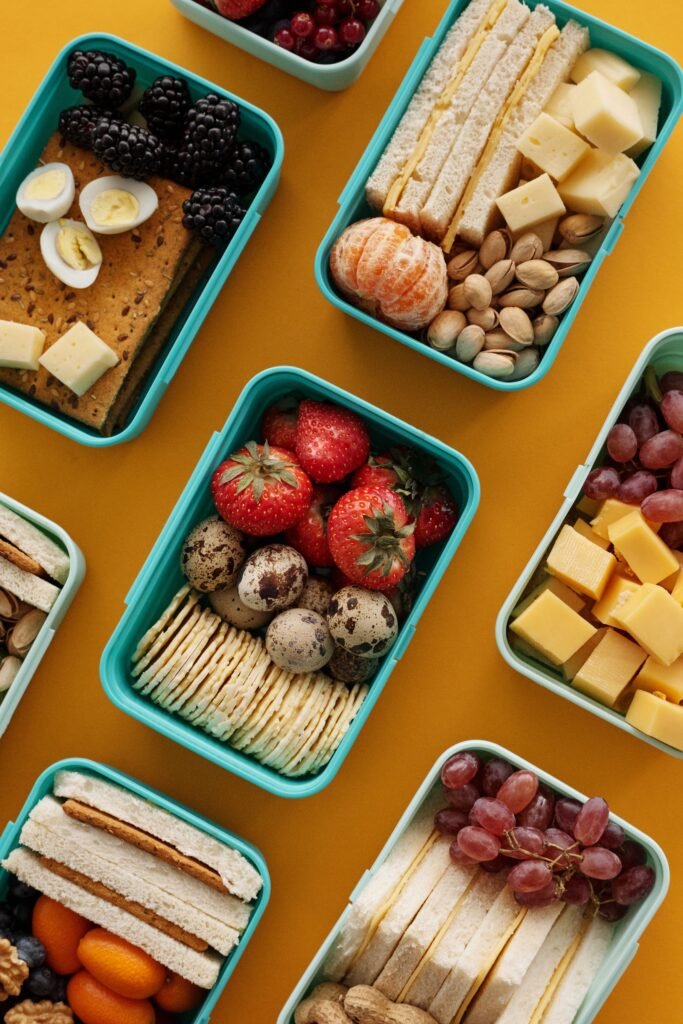
🥗 Easy ‘Meal Prep Techniques’ to Maintain Positivity in Your Busy Routine
Modern life often feels like a constant race against time. Between work responsibilities, family commitments, studies, errands, and personal goals, many people struggle to find enough time to prepare healthy meals every day. As schedules become busier, it becomes tempting to skip meals, rely on fast food, or make unhealthy eating choices simply because they seem more convenient. However, poor nutrition can lead to low energy, increased stress, reduced productivity, and a negative mindset.
One of the most effective solutions to this challenge is meal preparation, commonly known as meal prep. Meal prep involves planning and preparing meals in advance so that healthy, balanced food is readily available throughout the week. It is not about spending countless hours in the kitchen or preparing complicated recipes. Instead, it is about creating simple systems that save time, reduce stress, and support a healthier lifestyle.
Easy meal prep techniques can transform daily routines by helping people stay organized, eat nutritious meals, maintain consistent energy levels, and approach each day with greater positivity. When healthy food is available and ready to eat, life becomes easier, and the mind feels calmer and more focused.
Understanding the Benefits of Meal Prep
Meal preparation offers far more than convenience. It helps create structure and consistency in daily life.
Some major benefits include:
- Saving time during busy weekdays.
- Reducing stress about meal decisions.
- Supporting healthier eating habits.
- Helping manage food budgets.
- Reducing food waste.
- Improving energy levels.
- Encouraging portion control.
- Supporting fitness goals.
- Creating a sense of organization.
- Increasing overall well-being.
When meals are planned ahead, there is less temptation to make impulsive food choices that may leave you feeling sluggish or dissatisfied.
Meal prep allows healthy choices to become the easiest choices.
Start with Simple Planning
Successful meal prep begins with a plan.
Before shopping, spend a few minutes deciding:
- What meals you want for the week.
- Which ingredients you already have.
- Which ingredients need to be purchased.
- How much food you actually need.
A simple meal plan prevents unnecessary purchases while reducing confusion during busy days.
You do not need an elaborate schedule.
Even planning a few lunches or dinners can make a significant difference.
The goal is progress, not perfection.
Create a Weekly Shopping List
A well-organized shopping list saves time and money.
Divide your list into categories:
- Vegetables.
- Fruits.
- Proteins.
- Whole grains.
- Dairy products.
- Healthy snacks.
- Pantry items.
Shopping with a list reduces impulse purchases and ensures you have the ingredients necessary for successful meal preparation.
Being prepared helps eliminate last-minute stress during the week.
Batch Cook Basic Ingredients
One of the easiest meal prep techniques is preparing staple ingredients in larger quantities.
Examples include:
- Brown rice.
- Quinoa.
- Whole wheat pasta.
- Roasted vegetables.
- Grilled chicken.
- Boiled eggs.
- Beans.
- Lentils.
These ingredients can be mixed and matched throughout the week to create a variety of meals.
Batch cooking reduces daily cooking time while providing flexibility.
Instead of preparing every meal from scratch, you simply assemble ingredients already prepared.
Prepare Ingredients Rather Than Entire Meals
Many people assume meal prep requires cooking every meal for the entire week.
In reality, ingredient preparation is often more practical.
Examples include:
- Washing vegetables.
- Chopping fruits.
- Slicing peppers.
- Portioning snacks.
- Marinating proteins.
- Preparing salad ingredients.
Having ingredients ready significantly reduces cooking time while allowing flexibility in meal choices.
This approach prevents boredom and encourages variety.
Use Time Efficiently
Meal preparation does not need to consume an entire day.
Use time wisely by multitasking.
For example:
- Roast vegetables while cooking grains.
- Wash produce while food bakes.
- Prepare snacks while waiting for water to boil.
Small efficiencies add up quickly.
A single hour of focused preparation can save several hours throughout the week.
This creates more time for family, hobbies, exercise, and relaxation.
Keep Healthy Snacks Ready
Busy schedules often lead to unhealthy snacking choices.
Preparing snacks in advance helps prevent this.
Simple options include:
- Fresh fruit.
- Mixed nuts.
- Yogurt.
- Vegetable sticks.
- Hummus.
- Whole-grain crackers.
- Homemade energy bites.
Store snacks in individual portions for convenience.
When healthy snacks are easy to access, maintaining balanced energy becomes much easier.
Embrace Simple Recipes
Complicated recipes can make meal preparation feel overwhelming.
Focus on simple, nutritious meals that require minimal ingredients.
Examples include:
- Vegetable stir-fries.
- Grain bowls.
- Salads.
- Soups.
- Wraps.
- Smoothies.
- Baked proteins with vegetables.
Simple meals are easier to prepare consistently and often require less cleanup.
Consistency is more valuable than culinary perfection.
Organize Your Kitchen
An organized kitchen supports successful meal prep.
Keep commonly used items accessible.
Store ingredients logically.
Label containers clearly.
Maintain a clean workspace.
Organization reduces frustration and makes cooking more enjoyable.
When everything has a designated place, meal preparation becomes faster and more efficient.
Use Proper Storage Containers
Quality containers help preserve freshness and simplify meal organization.
Choose containers that are:
- Durable.
- Easy to clean.
- Leak-resistant.
- Stackable.
- Appropriately sized.
Clear containers make it easy to see what is available.
Proper storage helps prevent food waste while maintaining meal quality.
A well-organized refrigerator creates a sense of order and control.
Prepare Balanced Meals
Balanced nutrition supports both physical and mental well-being.
Aim to include:
- Lean proteins.
- Whole grains.
- Fruits.
- Vegetables.
- Healthy fats.
Balanced meals provide sustained energy throughout the day.
Stable energy levels help improve mood, concentration, and productivity.
When nutrition supports the body properly, maintaining a positive mindset becomes easier.
Learn from Inspiring Individuals
Many successful people emphasize the importance of planning and healthy habits in maintaining productivity and well-being.
1. Michelle Obama
Michelle Obama has consistently promoted healthy eating and balanced nutrition. Her advocacy highlights how proper meal planning contributes to long-term health and family well-being.
2. Serena Williams
Serena Williams understands that preparation plays a critical role in performance. Consistent nutritional habits help support the energy and focus required for athletic excellence.
3. Oprah Winfrey
Oprah Winfrey has often discussed the importance of mindful eating and creating routines that support overall wellness and personal growth.
4. Richard Branson
Richard Branson frequently emphasizes healthy lifestyle habits, including nutrition and exercise, as essential components of maintaining productivity and positive energy.
5. Arianna Huffington
Arianna Huffington advocates for wellness practices that reduce stress and improve performance, including thoughtful nutrition and self-care routines.
These examples remind us that preparation and healthy habits often contribute significantly to long-term success.
Make Breakfast Easier
Mornings are often the busiest part of the day.
Preparing breakfast ingredients in advance can reduce stress considerably.
Options include:
- Overnight oats.
- Pre-cut fruit.
- Boiled eggs.
- Yogurt parfaits.
- Smoothie packs.
Starting the day with a nutritious breakfast supports focus, mood, and productivity.
A prepared breakfast also reduces the temptation to skip meals.
Prepare for Busy Evenings
After a long day, cooking from scratch may feel exhausting.
Preparing components ahead of time makes evening meals easier.
Consider:
- Pre-cooked proteins.
- Chopped vegetables.
- Ready-made sauces.
- Cooked grains.
These shortcuts allow healthy dinners to come together quickly.
Less stress at dinner time creates a calmer household atmosphere.
Reduce Decision Fatigue
Busy people make countless decisions every day.
Meal prep reduces one major source of decision-making.
Instead of wondering:
“What should I eat?”
The answer is already prepared.
Reducing decision fatigue preserves mental energy for more important tasks.
This contributes to improved focus and emotional balance.
Save Money and Reduce Waste
Meal planning helps control spending.
Buying ingredients intentionally reduces unnecessary purchases.
Preparing meals at home is often more economical than frequent restaurant visits or takeout meals.
Additionally, using ingredients efficiently helps reduce food waste.
Saving money creates financial peace of mind while supporting healthier eating habits.
Involve the Family
Meal preparation can become a positive family activity.
Children can:
- Wash vegetables.
- Organize ingredients.
- Help with simple tasks.
- Learn about nutrition.
Family participation encourages healthy eating habits while creating meaningful connections.
Shared responsibilities also reduce the workload for any one person.
Stay Flexible
Meal prep should simplify life, not create stress.
Allow flexibility for changing schedules and preferences.
If plans change, adjust accordingly.
A successful meal prep routine adapts to real life rather than demanding perfection.
The goal is convenience, consistency, and well-being.
Small improvements are more sustainable than rigid systems.
Practice Mindful Eating
Meal preparation encourages greater awareness of food choices.
Instead of eating hurriedly, take time to enjoy meals.
Focus on:
- Flavor.
- Texture.
- Nutrition.
- Satisfaction.
Mindful eating improves digestion while fostering gratitude for the nourishment food provides.
This simple habit contributes to emotional well-being and positivity.
Build Confidence Through Preparation
Every successful week of meal prep builds confidence.
You begin to trust your ability to:
- Stay organized.
- Make healthy choices.
- Manage time effectively.
- Support your well-being.
These accomplishments extend beyond nutrition.
Preparation in one area often encourages greater discipline in other aspects of life.
Confidence grows through consistent action.
Create a Positive Weekly Routine
Meal preparation is not merely about food.
It represents self-care.
Setting aside time each week to prepare nourishing meals demonstrates a commitment to your health and happiness.
This routine creates structure, reduces chaos, and supports a more balanced lifestyle.
When healthy habits become automatic, maintaining positivity becomes easier.
Conclusion
Easy meal prep techniques are powerful tools for creating a healthier, happier, and more organized life. By planning meals, preparing ingredients in advance, organizing your kitchen, and keeping nutritious options readily available, you reduce daily stress while supporting consistent energy and well-being. Meal prep saves time, improves nutrition, reduces decision fatigue, and helps create a sense of control in even the busiest schedules.
Most importantly, meal preparation supports a positive mindset. When your body receives proper nourishment, your mind functions more effectively, your mood remains more stable, and your daily challenges feel easier to manage. The small effort invested in preparation today creates lasting benefits throughout the week. By embracing simple meal prep habits, you can transform busy routines into opportunities for greater health, productivity, balance, and positivity, allowing you to approach each day with renewed energy and confidence.