

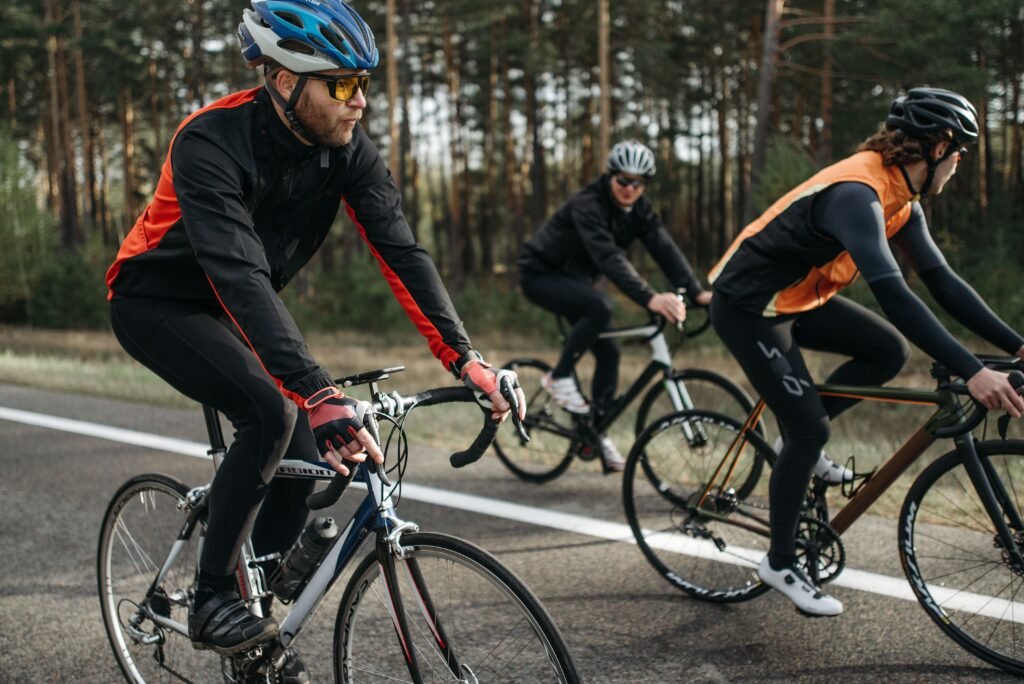
🚴 Benefits of ‘Cycling’ for Charging Up Your Mind & Body
In a world where people spend increasing amounts of time sitting at desks, commuting in vehicles, and using digital devices, finding a simple and enjoyable way to stay active has become more important than ever. Among the many forms of exercise available, cycling stands out as one of the most effective, affordable, and enjoyable activities for improving both physical and mental well-being. Whether you ride through city streets, countryside roads, parks, or dedicated cycling trails, cycling offers a unique combination of exercise, adventure, relaxation, and personal growth.
Cycling is more than just a means of transportation. It is a lifestyle habit that can transform your health, boost your mood, increase your energy levels, and improve your overall quality of life. From children learning to ride their first bicycle to adults using cycling as a daily fitness routine, people of all ages can benefit from this remarkable activity. Regular cycling helps charge up both the mind and body, creating a healthier, happier, and more balanced lifestyle.
Cycling: A Complete Mind and Body Exercise
One of the greatest advantages of cycling is that it provides a full-body workout while remaining gentle on the joints. Unlike some high-impact activities, cycling allows people to improve fitness without placing excessive stress on knees, ankles, and hips.
When cycling, several muscle groups work together, including:
- Leg muscles.
- Core muscles.
- Glute muscles.
- Lower back muscles.
- Arm and shoulder muscles.
At the same time, the heart and lungs work harder to deliver oxygen throughout the body, improving cardiovascular fitness and endurance.
This combination makes cycling one of the most efficient forms of exercise for overall health.
Improves Cardiovascular Health
The heart is one of the most important muscles in the body, and like any muscle, it becomes stronger through regular exercise.
Cycling helps:
- Improve blood circulation.
- Strengthen the heart.
- Lower resting heart rate.
- Support healthy blood pressure.
- Improve oxygen delivery throughout the body.
A stronger cardiovascular system enables you to perform daily activities with greater ease and less fatigue.
Regular cycling also contributes to long-term heart health, helping individuals maintain an active and energetic lifestyle.
Boosts Physical Energy
Many people mistakenly believe that exercise drains energy. In reality, regular cycling often increases energy levels.
As fitness improves:
- The body becomes more efficient.
- Oxygen reaches muscles more effectively.
- Endurance increases.
- Daily tasks require less effort.
People who cycle regularly often report feeling more energized throughout the day compared to those who live sedentary lifestyles.
A short morning ride can provide a natural energy boost that lasts for hours.
Supports Healthy Weight Management
Cycling burns calories while improving metabolism.
When combined with balanced nutrition, cycling can help:
- Reduce excess body fat.
- Maintain a healthy weight.
- Improve body composition.
- Increase muscle tone.
Unlike restrictive diets, cycling provides a sustainable and enjoyable way to support long-term fitness goals.
Because cycling is fun and engaging, many people find it easier to maintain than other forms of exercise.
Strengthens Muscles and Endurance
Every pedal stroke engages important muscle groups.
Regular cycling helps strengthen:
- Quadriceps.
- Hamstrings.
- Calves.
- Glutes.
- Core muscles.
Over time, these muscles become stronger and more efficient.
Improved muscular endurance allows individuals to stay active longer while experiencing less physical fatigue.
Whether climbing hills or riding long distances, cycling gradually builds both strength and stamina.
Enhances Mental Well-Being
Cycling benefits the mind just as much as the body.
Physical activity stimulates the release of natural mood-enhancing chemicals that help reduce stress and promote feelings of happiness.
Cycling can help:
- Reduce anxiety.
- Improve mood.
- Increase self-confidence.
- Relieve tension.
- Promote emotional balance.
Many people find that even a short ride helps clear their thoughts and improve their outlook on life.
The rhythmic movement of cycling often creates a calming, meditative effect that refreshes the mind.
Reduces Stress and Mental Fatigue
Modern life often involves constant pressure from work, studies, responsibilities, and technology.
Cycling offers an effective escape.
During a ride, attention naturally shifts toward:
- Breathing.
- Movement.
- Scenery.
- Road awareness.
This mental focus creates a break from daily worries and allows the brain to recharge.
After cycling, many individuals feel calmer, more focused, and better prepared to handle challenges.
Encourages Outdoor Exploration
Cycling encourages people to spend more time outdoors.
Fresh air, sunlight, greenery, and natural surroundings contribute significantly to mental well-being.
Outdoor cycling provides opportunities to:
- Explore new places.
- Appreciate nature.
- Discover local communities.
- Enjoy scenic landscapes.
Exposure to natural environments helps reduce mental exhaustion while increasing feelings of peace and happiness.
Each ride becomes an opportunity for adventure and discovery.
Improves Sleep Quality
Quality sleep is essential for overall health.
Regular cycling helps regulate the body’s natural sleep patterns by:
- Reducing stress.
- Burning excess energy.
- Supporting hormonal balance.
- Promoting relaxation.
People who cycle consistently often experience deeper and more restful sleep.
Better sleep leads to improved concentration, mood, and physical recovery.
A healthy cycling routine can significantly contribute to overall well-being.
Builds Confidence and Self-Belief
Every cycling milestone strengthens confidence.
Examples include:
- Riding farther distances.
- Climbing challenging hills.
- Improving speed.
- Completing cycling events.
- Maintaining consistency.
These achievements demonstrate personal growth and perseverance.
The confidence gained through cycling often extends into other areas of life, including work, education, and relationships.
Success on the bicycle teaches valuable lessons about determination and progress.
Strengthens Discipline and Consistency
Developing a regular cycling habit requires commitment.
Whether riding before work, after school, or on weekends, consistency builds discipline.
Each completed ride reinforces positive habits such as:
- Time management.
- Goal setting.
- Persistence.
- Responsibility.
These qualities support personal growth far beyond physical fitness.
Cycling becomes a practical way to strengthen character while improving health.
Promotes Social Connections
Cycling can be enjoyed individually or with others.
Group rides create opportunities to:
- Meet new people.
- Build friendships.
- Share experiences.
- Encourage one another.
- Learn new skills.
Cycling communities often provide motivation and support for riders of all levels.
Shared adventures strengthen relationships while making exercise more enjoyable.
Learn from Inspiring Cyclists
Many accomplished individuals have demonstrated the power of cycling through dedication, perseverance, and passion.
1. Eddy Merckx
Widely regarded as one of the greatest cyclists in history, Eddy Merckx achieved remarkable success through discipline, determination, and relentless hard work. His career continues to inspire cyclists around the world.
2. Fausto Coppi
Fausto Coppi overcame numerous challenges during his career and became a symbol of resilience and excellence in competitive cycling.
3. Miguel Induráin
Known for his calm mindset and consistency, Miguel Induráin demonstrated how dedication and patience can lead to extraordinary achievements.
4. Chris Hoy
Chris Hoy’s success reflects the importance of persistence, discipline, and continuous improvement. His achievements have inspired countless individuals to embrace cycling.
5. Marianne Vos
Marianne Vos is celebrated for her versatility, determination, and long-lasting excellence in the sport. Her accomplishments demonstrate the rewards of commitment and passion.
These cyclists remind us that success is often built through consistent effort and love for the journey.
Supports Healthy Aging
Cycling is an activity that many people can enjoy throughout their lives.
Because it places relatively low stress on joints, it remains accessible for older adults seeking to maintain mobility and independence.
Regular cycling helps:
- Preserve muscle strength.
- Improve balance.
- Maintain cardiovascular fitness.
- Support healthy weight management.
- Enhance overall quality of life.
Remaining physically active contributes to greater vitality and well-being as people age.
Encourages Goal Setting
Cycling naturally promotes personal goals.
Examples include:
- Riding a certain distance.
- Completing a local event.
- Improving endurance.
- Exploring new routes.
- Cycling consistently each week.
Goal setting creates motivation while providing a sense of accomplishment.
Achieving cycling goals reinforces confidence and encourages continued self-improvement.
Improves Focus and Concentration
Cycling requires awareness of surroundings, balance, and coordination.
This mental engagement strengthens concentration skills.
Many people find that regular cycling improves:
- Attention span.
- Decision-making.
- Mental clarity.
- Productivity.
A refreshed and focused mind performs better in academic, professional, and personal situations.
Cycling acts as both physical exercise and mental training.
Environmentally Friendly Transportation
Cycling benefits not only individuals but also communities and the environment.
Choosing a bicycle instead of a car for short trips helps:
- Reduce air pollution.
- Decrease traffic congestion.
- Lower fuel consumption.
- Promote cleaner cities.
Cycling provides a sustainable way to travel while supporting personal fitness.
Each ride contributes positively to environmental health.
Creates Joy and Adventure
One of the most appealing aspects of cycling is the sense of freedom it provides.
Cyclists often experience:
- Excitement.
- Curiosity.
- Exploration.
- Achievement.
- Relaxation.
Every route offers new sights, sounds, and experiences.
Whether riding through quiet neighborhoods, scenic countryside roads, or bustling city streets, cycling transforms ordinary journeys into memorable adventures.
This sense of enjoyment makes it easier to maintain long-term exercise habits.
Makes Fitness Accessible
Unlike some sports that require expensive facilities or equipment, cycling can be relatively accessible.
A bicycle opens opportunities for:
- Daily exercise.
- Transportation.
- Recreation.
- Family activities.
- Outdoor exploration.
People of various ages and fitness levels can participate and gradually improve at their own pace.
This accessibility makes cycling one of the most practical forms of physical activity available.
Conclusion
Cycling is far more than a simple recreational activity—it is a powerful habit that strengthens the body, refreshes the mind, and enriches everyday life. From improving cardiovascular health and building muscular endurance to reducing stress and enhancing emotional well-being, cycling offers benefits that extend far beyond physical fitness. Its ability to combine exercise, outdoor exploration, relaxation, and personal growth makes it one of the most rewarding activities anyone can adopt.
The beauty of cycling lies in its simplicity. Every ride, whether short or long, contributes to better health, increased confidence, improved focus, and a more positive outlook on life. As you pedal forward, you are not only moving your bicycle—you are moving toward greater energy, resilience, happiness, and well-being. By making cycling a regular part of your routine, you invest in a healthier future while enjoying the refreshing journey along the way. The road ahead is filled with opportunities for growth, adventure, and renewed vitality, all waiting to be discovered one pedal stroke at a time.