
🖼️ Indulge the Use of Art to Reduce Stress and Bring Positivity
Life today can often feel overwhelming. Busy work schedules, family responsibilities, financial concerns, and the constant flow of information through digital devices can leave people feeling mentally exhausted. While there are many ways to manage stress, one of the most enjoyable and effective methods is embracing art. Art is much more than creating beautiful paintings or sculptures—it is a powerful form of self-expression that helps people relax, improve emotional well-being, and cultivate a positive outlook on life.
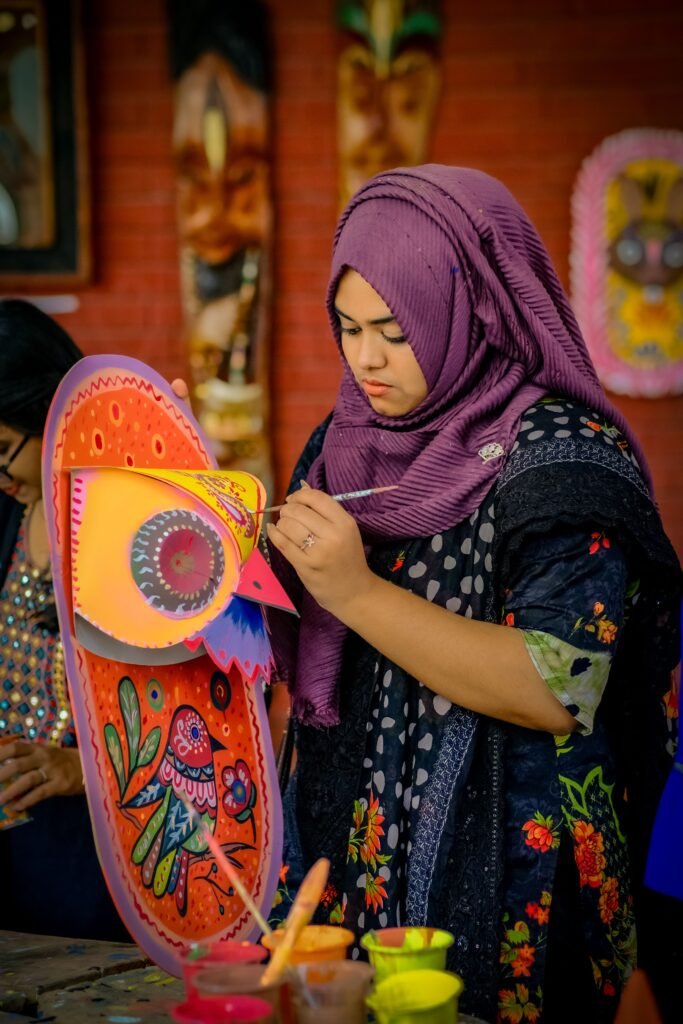
The wonderful thing about art is that anyone can enjoy it. You do not need professional training or expensive materials to experience its benefits. Whether you enjoy sketching, painting, photography, pottery, knitting, calligraphy, crafting, coloring, or even decorating your home, every creative activity can become a source of happiness and peace.
Creating art encourages you to slow down and focus on the present moment. Instead of worrying about tomorrow’s challenges or dwelling on yesterday’s mistakes, your attention shifts toward colors, shapes, textures, and creative ideas. This mindful focus naturally reduces stress and allows your brain to rest from everyday pressures.
Why Art Helps Reduce Stress
Scientific studies have shown that engaging in creative activities can lower stress hormones and improve emotional health. Even spending just 20–30 minutes on an artistic hobby can help calm the nervous system and boost your mood.
Benefits of Using Art in Daily Life
- Reduces mental stress by shifting attention away from worries.
- Encourages mindfulness through complete focus on creative tasks.
- Improves emotional expression without needing to find the right words.
- Boosts self-confidence as you complete creative projects.
- Stimulates imagination and creative thinking.
- Promotes relaxation after busy work or study schedules.
- Increases patience by encouraging steady progress.
- Supports better concentration and mental clarity.
- Creates a sense of accomplishment after finishing artwork.
- Provides a healthy escape from everyday pressures.
Art Is for Everyone
Many people avoid artistic activities because they believe they are “not creative enough.” However, art is not about perfection—it is about expression and enjoyment. A simple sketch, handmade greeting card, colorful journal page, or painted flower pot can provide the same emotional benefits as an advanced painting.
Remember that creativity grows with practice. Every drawing, craft project, or photograph helps develop confidence while giving your mind a refreshing break from routine responsibilities.
Art also allows people to celebrate small moments of joy. A colorful painting hanging on your wall, a handmade gift for a loved one, or a personalized scrapbook becomes a reminder that creativity brings meaning to everyday life.
By making art a regular part of your routine, you create opportunities to relax, recharge, and rediscover the simple pleasures that often get overlooked in our busy lives.
Different Forms of Art That Promote Relaxation
One of the greatest advantages of art is its incredible variety. Every person has unique interests and talents, which means there is a creative activity suitable for everyone. You do not need to limit yourself to painting or drawing. Exploring different forms of art allows you to discover what brings you the greatest sense of peace and satisfaction.
Whether you prefer working with your hands, capturing moments through a camera, or expressing emotions through words, artistic activities can become an important part of a balanced and positive lifestyle.
Creative Activities You Can Try
- Painting: Experiment with watercolors, acrylics, or oil paints to express your imagination.
- Drawing and Sketching: Simple pencil sketches help improve concentration and creativity.
- Adult Coloring Books: Coloring intricate patterns can calm the mind and reduce anxiety.
- Photography: Capture beautiful landscapes, flowers, sunsets, or everyday moments that inspire gratitude.
- Handmade Crafts: Create greeting cards, decorations, or personalized gifts using paper, fabric, or recycled materials.
- Pottery and Clay Modeling: Shaping clay provides a relaxing hands-on experience.
- Calligraphy and Hand Lettering: Writing elegant letters promotes patience and focus.
- Creative Journaling: Combine writing, doodles, stickers, and colorful designs to record thoughts and experiences.
- Knitting and Crocheting: Repetitive hand movements help create a soothing rhythm that eases stress.
- DIY Home Decoration: Designing simple decorative pieces adds beauty to your living space while encouraging creativity.
.
How Art Builds a Positive Mindset
Art teaches valuable life lessons that extend far beyond the creative process. Every project requires patience, persistence, and flexibility. Mistakes become opportunities to improve rather than reasons to give up. This mindset gradually strengthens resilience and encourages a more optimistic approach to life’s challenges.
When you complete an artwork, no matter how simple, your brain experiences a sense of achievement. This feeling boosts self-esteem and motivates you to continue learning and growing.
Ways Art Encourages Positivity
- Helps you appreciate beauty in everyday life.
- Encourages gratitude for simple moments.
- Builds confidence through continuous improvement.
- Inspires curiosity and lifelong learning.
- Develops problem-solving skills during creative projects.
- Replaces negative thoughts with productive activities.
- Strengthens emotional resilience during difficult times.
- Encourages optimism by focusing on possibilities instead of limitations.
Art Creates Meaningful Connections
Art is also a wonderful way to connect with family, friends, and your community. Painting together, attending craft workshops, visiting local art exhibitions, or creating handmade gifts strengthens relationships and creates lasting memories. Children enjoy learning through creative play, while adults benefit from meaningful conversations inspired by artistic experiences.
Sharing your artwork with others is not about seeking perfection or praise. Instead, it celebrates self-expression and encourages mutual appreciation for creativity. These shared experiences foster kindness, understanding, and a stronger sense of belonging—qualities that naturally reduce stress and bring lasting positivity.
Making Art a Healthy Daily Habit
Like exercise or healthy eating, art becomes even more beneficial when practiced regularly. You do not need to spend hours creating something elaborate. Setting aside just 20 to 30 minutes a few times a week can significantly improve your mood and reduce daily stress. The goal is to enjoy the creative process rather than striving for perfection.
Creating a dedicated space for artistic activities can also make it easier to stay consistent. It doesn’t have to be a large studio—a small desk with your favorite supplies, good lighting, and a comfortable chair is enough to inspire creativity.
Simple Ways to Include Art in Your Everyday Life
- Keep a sketchbook nearby to draw whenever inspiration strikes.
- Spend a few minutes coloring before bedtime to relax your mind.
- Create handmade birthday or thank-you cards for family and friends.
- Decorate your journal with drawings, stickers, or watercolor designs.
- Display your artwork at home as a reminder of your creativity.
- Learn a new artistic skill through books or online tutorials.
- Join a local or online art community for inspiration and encouragement.
- Visit museums, galleries, or craft fairs to appreciate different styles of art.
- Try seasonal DIY projects using affordable or recycled materials.
- Encourage children and family members to participate in creative activities together.
The Long-Term Benefits of Artistic Expression
Making art a regular part of your lifestyle offers benefits that extend far beyond temporary relaxation. Over time, creativity nurtures emotional resilience, improves mental focus, and encourages a more optimistic perspective on life.
People who regularly engage in artistic hobbies often report feeling more balanced and emotionally refreshed. Creative expression allows them to release tension in a healthy way while developing patience, perseverance, and self-awareness.
Long-Term Advantages of Practicing Art
- Promotes lasting emotional well-being.
- Reduces feelings of anxiety and mental fatigue.
- Improves concentration and attention to detail.
- Enhances memory through creative engagement.
- Encourages lifelong learning and personal growth.
- Develops patience and perseverance.
- Strengthens problem-solving and critical-thinking skills.
- Builds confidence through continuous improvement.
- Supports healthy emotional expression.
- Creates meaningful memories through creative projects.
Art Inspires Gratitude and Inner Peace
Art teaches us to notice the beauty that surrounds us every day. A blooming flower, a colorful sunset, the texture of leaves, or the smile of a loved one can all become sources of inspiration. As you begin observing these details more closely, your appreciation for life naturally grows.
This sense of gratitude has a powerful impact on mental health. Instead of focusing only on challenges, you begin to recognize moments of joy, kindness, and beauty. Artistic activities encourage mindfulness, helping you stay present rather than worrying about the past or future.
Over time, this positive shift in perspective leads to greater emotional stability, inner peace, and overall happiness. Art becomes more than just a hobby—it becomes a meaningful way to care for your mind, nourish your spirit, and celebrate the creativity that exists within everyone.
Overcoming Common Barriers to Being Creative
Many people hesitate to explore art because they believe they lack talent, do not have enough time, or fear making mistakes. These concerns are understandable, but they should never prevent anyone from experiencing the positive effects of creativity. Art is not a competition—it is a personal journey that allows you to relax, grow, and express yourself freely.
Remember that every skilled artist was once a beginner. Improvement comes through practice, patience, and a willingness to experiment. Every brushstroke, sketch, photograph, or handmade craft is a step toward building confidence and discovering your unique creative style.
Tips to Stay Motivated
- Focus on enjoying the creative process instead of seeking perfection.
- Celebrate small achievements and every completed project.
- Experiment with different art forms until you find your favorite.
- Keep your art supplies organized and easily accessible.
- Set aside regular creative time each week.
- Accept mistakes as valuable learning opportunities.
- Draw inspiration from nature, books, travel, or everyday life.
- Share your creations with supportive family members or friends.
- Keep a collection of your artwork to observe your progress over time.
- Most importantly, create for your own happiness rather than for approval from others.
Building a Positive Lifestyle Through Art
Art has the remarkable ability to transform ordinary moments into meaningful experiences. A quiet afternoon spent painting, an evening of photography during sunset, or a weekend dedicated to crafting handmade decorations can become treasured memories that refresh your mind and lift your spirit.
Creative hobbies also encourage a healthier balance between work and personal life. Instead of spending every free moment scrolling through digital devices or worrying about unfinished tasks, you invest your energy in activities that nourish your emotional well-being. This balance helps reduce burnout, improve productivity, and strengthen your overall quality of life.
Surrounding yourself with artistic creations—whether they are your own or those of others—can make your home feel warmer, more welcoming, and more inspiring. Beautiful colors, meaningful designs, and handmade decorations create an environment that encourages relaxation, gratitude, and optimism.
Conclusion
Art is far more than a form of entertainment; it is a powerful tool for reducing stress, improving emotional health, and bringing positivity into everyday life. Whether you paint, draw, craft, write, take photographs, or simply enjoy coloring, every creative activity provides an opportunity to slow down, express yourself, and reconnect with the present moment.
The beauty of art lies in its accessibility. You do not need expensive materials, formal education, or exceptional talent to benefit from it. All you need is curiosity, an open mind, and the willingness to create. Even a few minutes of artistic expression each day can help calm your thoughts, boost your confidence, and brighten your outlook.
Key Takeaways
- Art is a simple and enjoyable way to reduce daily stress.
- Creative activities improve emotional well-being and mental clarity.
- Artistic hobbies encourage mindfulness and relaxation.
- Art builds confidence, patience, and resilience.
- Sharing creativity strengthens relationships and creates meaningful memories.
- Regular artistic practice promotes gratitude and a positive mindset.
- There is no “perfect” way to create art—self-expression matters most.
- Small, consistent creative habits can lead to lasting happiness and inner peace.
By embracing art as part of your daily routine, you give yourself the gift of creativity, calmness, and self-discovery. Over time, these moments of creative expression become stepping stones toward a healthier, happier, and more positive life, proving that art is not just something to admire—it is something to live.