

🤸’Physical’ Pushing inspire Your Best Self!
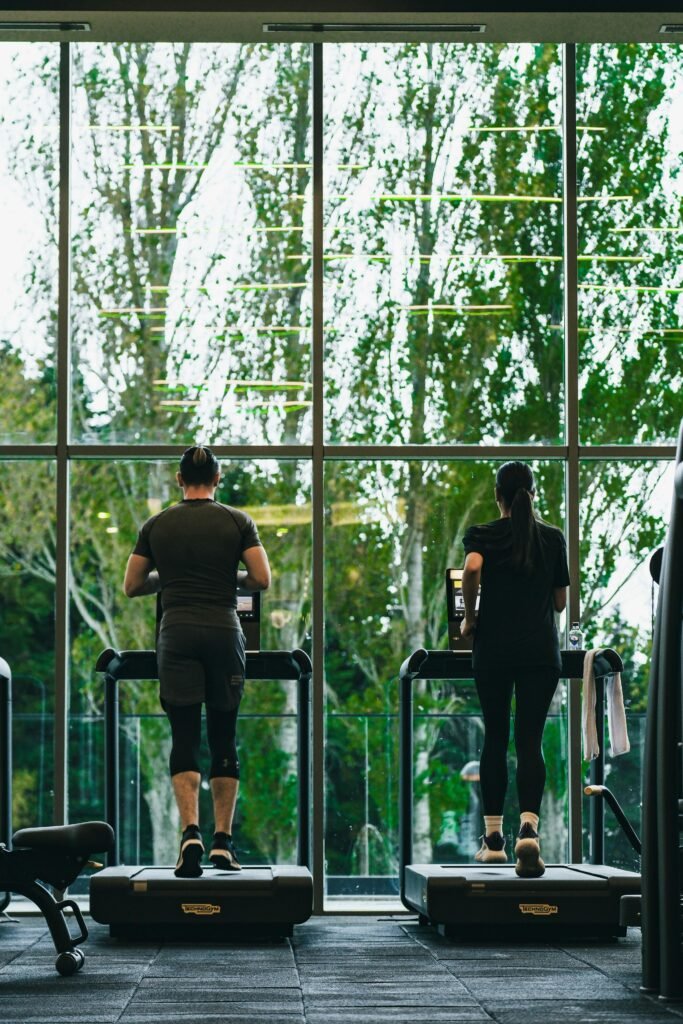
Every person has the potential to become stronger, healthier, more confident, and more successful than they are today. However, reaching that potential often requires stepping beyond comfort zones and challenging personal limits. One of the most effective ways to achieve this growth is through physical pushing—the act of encouraging your body to do a little more than it did yesterday. Whether through exercise, sports, walking, running, hiking, swimming, cycling, or other physical activities, pushing yourself physically can inspire your best self in remarkable ways.
Physical challenges do more than improve muscles and fitness. They strengthen the mind, build confidence, develop discipline, and create a mindset that supports success in every area of life. When people learn to push through physical challenges, they often discover that they are capable of far more than they imagined. The lessons learned through physical effort frequently extend beyond fitness and influence personal growth, relationships, careers, and overall happiness.
Physical Effort Builds Mental Strength
One of the greatest benefits of physical pushing is the development of mental toughness. Whenever people engage in challenging physical activities, they encounter moments when they want to stop, slow down, or give up. Continuing despite discomfort teaches resilience and determination.
Imagine a person training for a long-distance run. During training sessions, there may be moments when fatigue sets in and every step feels difficult. Choosing to continue despite the challenge strengthens the mind as much as the body. Over time, this experience teaches an important lesson: difficult situations can be overcome with persistence and effort.
Mental strength developed through physical activity often transfers into other areas of life. A person who learns to push through a challenging workout may also become more capable of handling workplace stress, academic pressures, or personal obstacles.
Confidence Grows Through Achievement
Confidence is often built through action and accomplishment. Physical challenges provide countless opportunities to achieve goals and experience progress.
For example, someone who starts exercising may initially struggle to complete a short workout. With consistency and effort, they gradually become stronger and more capable. Completing activities that once seemed impossible creates a powerful sense of achievement.
Every milestone reached—whether lifting a heavier weight, running a longer distance, or improving athletic performance—reinforces self-belief. Individuals begin to trust their ability to set goals and achieve them.
This growing confidence extends beyond physical fitness. When people realize they can overcome physical challenges, they often feel more confident pursuing personal and professional goals as well.
Physical Pushing Teaches Discipline
Discipline is one of the most valuable qualities for long-term success. While motivation may fluctuate, discipline ensures consistent effort regardless of circumstances.
Physical training requires commitment and routine. There will be days when people feel tired, busy, or unmotivated. Choosing to exercise anyway strengthens discipline and self-control.
For example, someone who commits to daily walks may not always feel enthusiastic. However, by consistently following through, they develop the habit of honoring commitments. This discipline eventually becomes part of their character.
The ability to remain consistent despite temporary discomfort is a skill that supports success in education, business, relationships, and personal growth.
Growth Happens Outside the Comfort Zone
Comfort zones feel safe and familiar, but significant growth rarely occurs within them. Physical challenges encourage people to step beyond what feels easy and comfortable.
Consider someone learning to swim. At first, the experience may feel intimidating and unfamiliar. However, with practice and persistence, confidence grows and new abilities develop. What once seemed difficult eventually becomes manageable.
This principle applies to all forms of physical activity. Whether trying a new sport, increasing workout intensity, or participating in a challenging event, growth occurs when individuals push beyond their current limits.
Learning to embrace discomfort teaches people that progress often requires courage and effort. This mindset becomes valuable in all aspects of life.
Exercise Improves Emotional Well-Being
Physical activity has a powerful impact on emotional health. Regular exercise is known to improve mood, reduce stress, and increase feelings of happiness and satisfaction.
When people engage in physical activity, the body releases chemicals that contribute to positive emotions and mental well-being. These benefits help individuals maintain a more optimistic outlook on life.
Imagine someone feeling stressed after a demanding day. A brisk walk, bike ride, or workout can help clear the mind and reduce tension. Physical movement provides a healthy outlet for stress and frustration.
As emotional well-being improves, individuals often experience greater motivation and confidence, making it easier to pursue personal growth and success.
Physical Challenges Reveal Hidden Potential
Many people underestimate their abilities. They may assume they are incapable of achieving certain goals simply because they have never tried.
Physical pushing often reveals hidden strengths and capabilities. A person who believes they cannot run a certain distance may discover they can achieve far more with training and persistence. Someone who doubts their athletic abilities may surprise themselves through consistent effort.
Each new achievement expands beliefs about what is possible. Individuals begin to understand that limitations are often temporary and can be overcome through dedication.
Discovering hidden potential is one of the most inspiring aspects of physical growth. It encourages people to dream bigger and pursue goals with greater confidence.
Physical Activity Encourages Goal Setting
Goals provide direction and purpose. Physical fitness naturally encourages individuals to set objectives and work toward them consistently.
Goals may include walking a certain number of steps, completing a race, improving strength, mastering a skill, or achieving better health. Each objective provides motivation and a clear target.
The process of setting and achieving fitness goals teaches valuable lessons about planning, consistency, and perseverance. Individuals learn that meaningful results require time and effort.
These lessons apply equally to academic, professional, and personal ambitions. People who successfully pursue fitness goals often develop greater confidence in their ability to achieve success elsewhere.
Resilience Develops Through Challenges
Every physical journey includes setbacks. There may be injuries, missed workouts, slow progress, or disappointing performances. These experiences provide opportunities to develop resilience.
Resilient individuals understand that setbacks are part of growth rather than reasons to quit. They learn to adapt, recover, and continue moving forward.
For example, an athlete recovering from an injury may face frustration and uncertainty. However, by focusing on gradual improvement and maintaining a positive attitude, they develop patience and determination.
Resilience built through physical challenges helps individuals navigate life’s difficulties with greater confidence and optimism.
Physical Health Supports Personal Success
Good health provides the energy and vitality needed to pursue goals effectively. Physical activity strengthens the body and supports overall well-being.
Regular exercise improves endurance, flexibility, strength, and cardiovascular health. It also contributes to better sleep, increased concentration, and enhanced productivity.
When people feel physically strong and energized, they are better equipped to handle responsibilities and pursue opportunities. Health becomes a foundation that supports success in other areas of life.
Investing in physical well-being is ultimately an investment in personal growth and long-term achievement.
Physical Activity Builds Positive Habits
Success is often the result of daily habits rather than occasional efforts. Physical activity encourages the development of routines that support consistency and self-improvement.
A person who exercises regularly often develops additional positive habits such as healthy eating, proper hydration, effective time management, and goal tracking.
These habits create momentum and reinforce a growth-oriented lifestyle. Over time, disciplined routines contribute significantly to confidence and success.
Positive habits developed through physical activity often influence behavior in many areas of life, leading to greater productivity and fulfillment.
Overcoming Physical Challenges Creates Self-Belief
Self-belief grows when people prove to themselves that they can overcome obstacles. Physical challenges provide frequent opportunities for these experiences.
Completing a difficult workout, finishing a long hike, or achieving a fitness milestone demonstrates capability and perseverance. Each accomplishment reinforces the belief that challenges can be conquered.
For example, someone who successfully completes their first 5-kilometer run may feel inspired to pursue larger goals. The experience becomes evidence that hard work produces results.
Self-belief developed through physical effort often becomes a powerful source of motivation and confidence.
Physical Pushing Teaches Patience
Modern society often emphasizes instant results, but physical growth teaches patience. Fitness improvements rarely happen overnight. Progress requires consistent effort over weeks, months, and even years.
This process helps individuals appreciate gradual improvement and long-term commitment. They learn that meaningful change is achieved through persistence rather than shortcuts.
Patience developed through physical activity becomes valuable in other pursuits such as education, career development, and personal relationships.
Understanding that success takes time encourages individuals to remain committed even when results are not immediately visible.
Inspiring Others Through Personal Example
People who challenge themselves physically often inspire those around them. Their dedication, discipline, and perseverance serve as positive examples.
A parent who prioritizes fitness may encourage healthy habits in their children. A friend who completes a challenging race may motivate others to pursue their own goals. Colleagues who maintain active lifestyles often inspire workplace wellness and positivity.
Personal growth has a ripple effect. When individuals push themselves and achieve success, they demonstrate what is possible through commitment and effort.
Inspiring others adds meaning and purpose to personal achievements.
The Connection Between Physical and Mental Success
Physical and mental growth are closely connected. Strong bodies support strong minds, and physical challenges often strengthen character.
The confidence gained through physical achievement influences how people approach challenges in all areas of life. They become more willing to take risks, pursue opportunities, and persevere through difficulties.
For example, someone who develops the discipline to maintain a fitness routine may also become more disciplined in studying, working, or pursuing personal goals. The habits and mindset developed through physical effort create a foundation for broader success.
Physical pushing teaches people that growth is possible through consistent effort and determination.
Becoming the Best Version of Yourself
Every person has unique strengths, talents, and potential. Physical activity provides a pathway for discovering and developing those qualities.
By challenging the body, individuals strengthen the mind, build confidence, and cultivate discipline. They learn valuable lessons about perseverance, resilience, patience, and self-belief.
The journey is not about becoming better than others. It is about becoming better than you were yesterday. Each workout, walk, run, or challenge contributes to personal growth and self-improvement.
As confidence grows, individuals become more willing to pursue dreams, embrace opportunities, and live with purpose.
Conclusion
Physical pushing is about much more than fitness. It is a powerful tool for inspiring your best self and unlocking your full potential. Through physical challenges, individuals develop mental strength, confidence, discipline, resilience, and self-belief. They learn to embrace discomfort, set meaningful goals, and persist despite obstacles.
Every step taken, every challenge faced, and every milestone achieved contributes to personal growth. Physical effort teaches valuable lessons that extend far beyond exercise and influence success in all areas of life.
By committing to regular physical activity and pushing beyond comfort zones, people discover strengths they never knew they possessed. They gain confidence in their abilities, develop habits that support success, and create a mindset focused on growth and possibility.
Your best self is not created through comfort and convenience. It is revealed through effort, perseverance, and the willingness to challenge yourself. When you push your body, you strengthen your mind. When you strengthen your mind, you unlock the confidence and determination needed to achieve extraordinary things. Physical pushing is not just a path to better fitness—it is a journey toward becoming the strongest, happiest, and most capable version of yourself.