
🏕️ Adventurous Ways of ‘Camping’: Uplifting Your Mood & Reducing Stress
Camping is much more than spending a night under the stars. It is a wonderful opportunity to reconnect with nature, recharge your mind, strengthen your body, and create unforgettable memories with family and friends. In today’s fast-paced world filled with deadlines, traffic, digital distractions, and constant notifications, camping provides a peaceful escape where the sounds of birds replace phone alerts and fresh mountain air replaces polluted city streets.
Whether you choose to camp in forests, mountains, lakesides, deserts, beaches, or national parks, every camping trip offers a unique adventure that refreshes your mind and body. It teaches self-reliance, patience, teamwork, and appreciation for nature while reducing stress and improving overall well-being.
Let’s explore the adventurous ways camping can uplift your mood, the health benefits it offers, essential camping equipment, ideal seasons, delicious food ideas, and important safety measures to protect yourself from wild animals and criminals.
Why Camping Improves Your Mood
Camping naturally encourages relaxation because you step away from daily responsibilities and immerse yourself in nature.
Nature has an incredible calming effect on the human brain. Watching trees sway, listening to flowing rivers, smelling fresh pine forests, and gazing at the night sky help your mind slow down naturally.
Camping can:
- Reduce mental fatigue
- Improve concentration
- Lower anxiety
- Increase happiness
- Build confidence
- Improve creativity
- Encourage gratitude
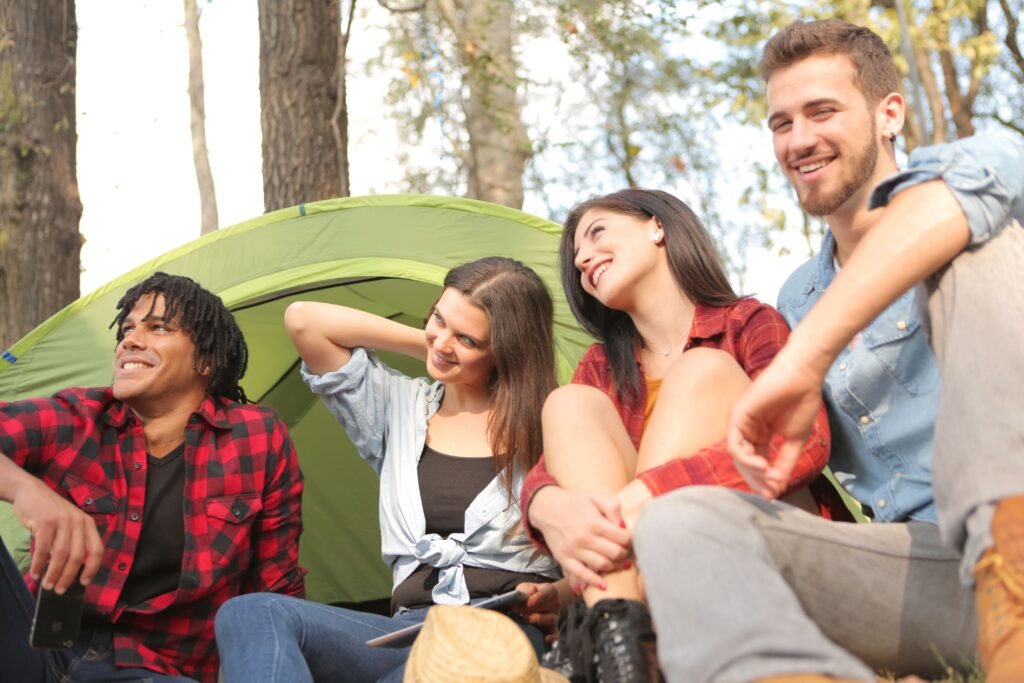
- Strengthen relationships
- Improve sleep quality
- Increase emotional balance
Even a weekend camping trip can leave you feeling mentally refreshed for weeks.
Adventurous Camping Activities
Camping becomes even more enjoyable when combined with exciting outdoor adventures.
1. Morning Hiking
Wake up before sunrise and explore nearby trails.
Benefits include:
- Stronger legs
- Better endurance
- Improved heart health
- Fresh oxygen intake
- Beautiful sunrise photography
2. Campfire Storytelling
Gather around the fire with family or friends.
Share:
- Funny childhood memories
- Inspirational stories
- Adventure tales
- Educational facts
- Traditional folklore
This strengthens emotional bonds and creates lifelong memories.
3. Bird Watching
Carry binoculars and quietly observe birds.
This activity:
- Improves patience
- Sharpens observation skills
- Reduces stress
- Encourages mindfulness
4. Nature Photography
Capture:
- Mountains
- Rivers
- Wildlife (from a safe distance)
- Flowers
- Sunrises
- Sunsets
- Night skies
Photography encourages appreciation for nature’s beauty.
5. Fishing (Where Permitted)
Fishing teaches:
- Patience
- Concentration
- Relaxation
- Respect for nature
Always follow local regulations and licensing requirements.
6. Stargazing
Far away from city lights, the night sky becomes breathtaking.
Try identifying:
- Constellations
- The Milky Way
- Visible planets
- Meteor showers (during seasonal events)
7. Canoeing or Kayaking
If camping near calm lakes or rivers, water activities offer:
- Excellent upper-body exercise
- Balance improvement
- Stress relief
- Scenic exploration
Always wear a properly fitted life jacket.
8. Outdoor Games
Enjoy activities like:
- Frisbee
- Volleyball
- Badminton
- Treasure hunts
- Nature scavenger hunts
These promote teamwork and physical fitness.
9. Forest Walks
Walk slowly without rushing.
Observe:
- Leaves
- Trees
- Animal tracks
- Flowers
- Insects
This mindful activity helps clear mental clutter.
10. Journaling
Write about:
- Your experiences
- Gratitude
- Lessons learned
- Future goals
Camping often inspires thoughtful reflection.
Health Benefits of Camping
Camping supports both physical and mental health.
Mental Health Benefits
- Reduces stress hormones
- Improves mood
- Enhances emotional resilience
- Reduces symptoms of burnout
- Encourages relaxation
- Promotes positive thinking
- Increases mindfulness
Physical Health Benefits
Camping often involves walking, carrying gear, and exploring.
Benefits include:
- Better cardiovascular fitness
- Stronger muscles
- Improved balance
- Increased flexibility
- Better stamina
- Healthier body weight
- Improved coordination
Better Sleep
Fresh air, physical activity, and reduced screen time often lead to deeper, more restorative sleep.
Vitamin D
Moderate sunlight exposure helps the body produce Vitamin D, which supports:
- Bone health
- Immune function
- Muscle strength
Use sunscreen and avoid excessive sun exposure.
Improved Immunity
Time outdoors, combined with exercise, nutritious food, and quality sleep, contributes to a healthier immune system.
Stronger Relationships
Camping encourages meaningful conversations and teamwork without the usual digital distractions.
Families often become closer while:
- Cooking together
- Setting up tents
- Exploring trails
- Solving challenges
Essential Camping Equipment
Preparation makes camping safer and more enjoyable.
Shelter
- Waterproof tent
- Ground tarp
- Tent stakes
- Hammer or mallet
- Sleeping bag
- Sleeping pad or air mattress
- Small pillow
Cooking Equipment
- Portable camping stove
- Fuel canister
- Cooking pot
- Frying pan
- Plates
- Bowls
- Cups
- Reusable water bottles
- Cooking utensils
- Sharp knife
- Can opener
Lighting
- Flashlight
- Headlamp
- Lantern
- Extra batteries
Clothing
Pack layers suitable for changing weather:
- Waterproof jacket
- Warm sweater
- Thermal clothing (if needed)
- Comfortable hiking shoes
- Sandals
- Hat
- Gloves (cold weather)
- Extra socks
- Raincoat
Personal Items
- Toothbrush
- Toothpaste
- Soap
- Towel
- Sunscreen
- Lip balm
- Insect repellent
- Wet wipes
- Toilet paper
- Hand sanitizer
Safety Equipment
- First-aid kit
- Multi-tool
- Compass
- Map
- Whistle
- Fire starter
- Waterproof matches
- Emergency blanket
- Portable phone charger or power bank
Best Seasons for Camping
The ideal time depends on your location and climate, but generally:
Spring
Advantages:
- Blooming flowers
- Pleasant temperatures
- Active wildlife
- Beautiful scenery
Summer
Ideal for:
- Family vacations
- Swimming
- Mountain adventures
- Longer daylight hours
Stay hydrated and protect yourself from heat and insects.
Autumn (Fall)
Often considered one of the best seasons because of:
- Cooler weather
- Colorful leaves
- Fewer insects
- Comfortable hiking conditions
Winter
Suitable only with proper cold-weather equipment and experience.
Winter camping offers:
- Snow landscapes
- Peaceful surroundings
- Fewer crowds
Take extra precautions against cold-related injuries.
Delicious Foods to Take Camping
Simple, nutritious, and easy-to-cook meals work best.
Breakfast
- Oatmeal
- Eggs
- Whole-grain bread
- Peanut butter
- Yogurt
- Fresh fruit
- Granola
- Pancakes
- Tea
- Coffee
Lunch
- Sandwiches
- Wraps
- Grilled chicken
- Pasta salad
- Rice dishes
- Vegetable soup
Dinner
- Grilled fish
- Chicken skewers
- Rice with vegetables
- Bean stew
- Lentil soup
- Grilled corn
- Baked potatoes
Cook meats thoroughly and keep perishables chilled until use.
Healthy Snacks
- Mixed nuts
- Almonds
- Walnuts
- Raisins
- Dates
- Apples
- Bananas
- Oranges
- Protein bars
- Trail mix
Drinks
- Plenty of clean drinking water
- Electrolyte drinks for strenuous activity
- Herbal tea
- Hot chocolate in cold weather
Avoid excessive sugary drinks and stay well hydrated.
Campfire Cooking Ideas
Cooking outdoors can be one of camping’s greatest pleasures.
Prepare:
- Vegetable skewers
- Grilled chicken
- Foil-wrapped potatoes
- Roasted corn
- Bean chili
- Campfire stew
- Toasted sandwiches
- Fruit kebabs
Keep food covered to avoid attracting wildlife.
Daily Camping Routine
6:00 AM
Wake up and enjoy sunrise.
6:30 AM
Stretching and light exercise.
7:00 AM
Healthy breakfast.
8:00 AM
Hiking or nature exploration.
11:00 AM
Photography or bird watching.
1:00 PM
Lunch.
2:00 PM
Relax, read, or fish.
4:00 PM
Outdoor games.
6:00 PM
Prepare dinner.
7:30 PM
Campfire gathering.
9:00 PM
Stargazing.
10:00 PM
Sleep.
Safety Around Wild Animals
Most wild animals avoid people, but proper precautions are essential.
- Learn about local wildlife before your trip.
- Store food in sealed containers or designated bear-proof lockers where available.
- Never feed wild animals.
- Keep your campsite clean.
- Dispose of garbage properly.
- Cook away from where you sleep if recommended for the area.
- Keep children within sight.
- Make moderate noise while hiking in areas where large animals may be present to avoid surprising them.
- Observe animals only from a safe distance.
- If you encounter a dangerous animal, remain as calm as possible, avoid sudden movements, and follow local wildlife guidance for that species. Running can trigger pursuit in some animals.
Personal Security Against Criminals
While most campers are friendly, it’s wise to take sensible precautions.
- Camp in authorized, well-managed campgrounds whenever possible.
- Let a trusted friend or family member know your itinerary and expected return.
- Keep your phone charged and carry a power bank.
- Lock valuables in your vehicle when appropriate or keep them secured out of sight.
- Avoid displaying expensive jewelry or electronics unnecessarily.
- Keep your campsite organized so you can quickly notice if something is missing.
- Trust your instincts. If a location or person makes you feel unsafe, leave the area.
- Avoid isolated areas if camping alone.
- Keep emergency contact numbers readily available.
- Know the nearest ranger station, park office, or emergency services access point.
- Carry a whistle or personal safety alarm to attract attention in an emergency.
- If someone behaves suspiciously or threatens your safety, prioritize leaving the area and contacting local authorities rather than confronting them.
Environmental Responsibility

Protect nature so others can enjoy it too.
Follow these principles:
- Leave no litter behind.
- Stay on marked trails.
- Respect wildlife.
- Avoid damaging plants and trees.
- Use designated fire rings where provided.
- Extinguish campfires completely before leaving or sleeping.
- Conserve water.
- Minimize noise to respect both wildlife and fellow campers.
Responsible camping preserves beautiful natural spaces for future generations.
Final Thoughts
Camping is one of the most rewarding outdoor experiences for people of all ages. It combines adventure, exercise, relaxation, learning, and meaningful social connection in a way that few other activities can. Whether you spend a weekend beside a peaceful lake, hike through forest trails, camp beneath mountain peaks, or enjoy the sound of ocean waves from a beach campsite, every trip offers opportunities to reduce stress, improve fitness, and appreciate the natural world.
With thoughtful planning, the right equipment, nutritious meals, and sensible safety practices, camping becomes both enjoyable and secure. Each journey builds confidence, resilience, and cherished memories while reminding us that some of life’s greatest joys come from simple moments—sharing stories around a campfire, breathing crisp morning air, watching the stars appear one by one, and waking up surrounded by the beauty of nature.