
🧖♀️ Benefits of ‘Spa’: A Healing Time for Your Mind & Body
In today’s fast-paced world, stress has become an unavoidable part of life. Long working hours, household responsibilities, studies, digital devices, pollution, and unhealthy lifestyles often leave people physically exhausted and mentally drained. While vacations and leisure activities help reduce stress, one of the most effective methods of restoring both the body and mind is a relaxing spa session.
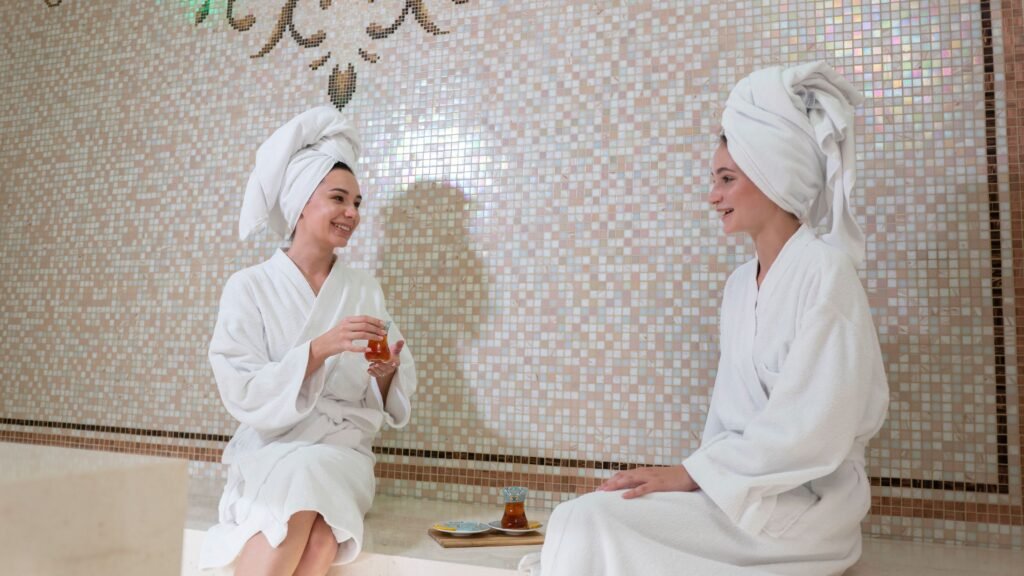
A spa is much more than a luxury treatment. It is a holistic approach to wellness that combines relaxation, skincare, massage therapy, aromatherapy, and self-care. Whether enjoyed at a professional spa center or recreated in the comfort of your home, regular spa sessions can refresh your body, calm your mind, and uplift your spirit.
This guide explores the benefits of spa therapy, how to perform a spa at home, what supplies are needed, ideal timings, and a practical spa routine suitable for people of all ages.
What Is a Spa?
A spa is a therapeutic treatment designed to improve physical, mental, and emotional well-being. Spa treatments may include:
- Warm water soaking
- Steam therapy
- Facial cleansing
- Body massage
- Body scrubs
- Aromatherapy
- Foot spa
- Hair spa
- Mud therapy
- Relaxation techniques
The primary goal is to rejuvenate the entire body while reducing stress and improving overall health.
Physical Benefits of Spa Therapy
1. Relieves Muscle Tension
Massage therapy loosens tight muscles, reduces stiffness, and improves flexibility.
Ideal for:
- Office workers
- Athletes
- Homemakers
- Students
- Elderly people
2. Improves Blood Circulation
Warm water and massage stimulate blood flow throughout the body.
Benefits include:
- Better oxygen delivery
- Faster healing
- Reduced swelling
- Healthier skin
- Increased energy
3. Reduces Body Pain
Spa therapy naturally helps reduce:
- Neck pain
- Shoulder pain
- Lower back pain
- Joint discomfort
- Muscle soreness
Regular massage encourages muscles to recover faster.
4. Detoxifies the Body
Steam rooms and warm baths encourage sweating, helping remove toxins from the skin.
Benefits include:
- Cleaner pores
- Reduced acne
- Fresher skin
- Better skin texture
5. Promotes Better Sleep
A relaxing spa lowers stress hormones while increasing relaxation hormones.
People who enjoy regular spa treatments often:
- Fall asleep faster
- Sleep more deeply
- Wake feeling refreshed
6. Improves Skin Health
Spa facials and body treatments remove dead skin cells.
Results include:
- Softer skin
- Brighter complexion
- Reduced dryness
- Improved hydration
- Healthy glow
Mental Benefits of Spa Therapy
Reduces Stress
Stress affects every part of the body.
Spa treatments:
- Calm the nervous system
- Slow the heart rate
- Reduce anxiety
- Improve emotional balance
Improves Concentration
Relaxation clears mental clutter.
After a spa session people often experience:
- Better focus
- Improved creativity
- Increased productivity
- Sharper thinking
Reduces Anxiety
Massage releases endorphins, serotonin, and dopamine—the body’s natural “feel-good” chemicals.
This creates:
- Emotional stability
- Positive thinking
- Greater confidence
- Reduced nervousness
Boosts Mood
A peaceful spa experience creates lasting happiness.
Many people report feeling:
- More cheerful
- More energetic
- More patient
- More optimistic
Emotional Benefits
Spa therapy also nurtures emotional wellness.
It encourages:
- Self-love
- Self-care
- Mindfulness
- Gratitude
- Inner peace
Taking time to care for yourself allows you to return to your daily responsibilities with renewed energy.
Benefits for Different Age Groups
Children (5–12 years)
Children should only have gentle spa experiences.
Activities:
- Warm foot soak
- Gentle hand massage
- Mild moisturizer
- Soft music
Benefits:
- Better sleep
- Relaxation
- Improved mood
Teenagers
Suitable treatments:
- Facial cleansing
- Hair spa
- Foot soak
- Gentle massage
Benefits:
- Acne reduction
- Stress relief
- Better confidence
Adults
Adults benefit greatly from:
- Full-body massage
- Steam therapy
- Facial
- Hair spa
Benefits:
- Muscle recovery
- Better skin
- Improved sleep
- Reduced work stress
Elderly People
Recommended treatments:
- Warm oil massage
- Foot spa
- Gentle stretching
- Warm towel therapy
Benefits:
- Better circulation
- Less joint pain
- Relaxation
- Improved mobility
Always consult a healthcare professional before massage if someone has significant medical conditions.
Home Spa vs Professional Spa
Home Spa Advantages
- Affordable
- Comfortable
- Private
- Flexible timing
- Family-friendly
Professional Spa Advantages
- Expert therapists
- Specialized equipment
- Advanced treatments
- Deep tissue massage
- Hydrotherapy
Both options provide excellent relaxation depending on your budget and preferences.
Things Required for a Home Spa
Creating a spa at home is simple.
Essential supplies include:
- Soft towels
- Bathrobe
- Warm water
- Bucket or foot spa tub
- Mild body wash
- Face cleanser
- Face mask
- Body scrub
- Moisturizer
- Coconut oil
- Olive oil
- Almond oil
- Essential oils (lavender, peppermint, eucalyptus, or chamomile)
- Candles (optional)
- Soft instrumental music
- Herbal tea
- Fresh fruits
- Hair mask
- Hair conditioner
- Nail brush
- Foot scrub
- Pumice stone
- Fresh flowers (optional)
Step-by-Step Home Spa Routine
Step 1
Clean your room.
Create a peaceful atmosphere by:
- Turning off unnecessary devices
- Dimming lights
- Playing relaxing music
Step 2
Drink one glass of water.
Hydration prepares your body for relaxation.
Step 3
Take a warm shower.
Warm water relaxes muscles.
Step 4
Clean your face.
Use:
- Gentle cleanser
- Warm water
- Soft towel
Step 5
Steam your face.
Duration:
5–8 minutes
This opens skin pores.
Step 6
Apply a face mask.
Leave it for:
15–20 minutes
Step 7
Prepare a foot soak.
Mix:
- Warm water
- Epsom salt (optional)
- A few drops of lavender oil
- Lemon slices (optional)
Soak feet for:
15–20 minutes
Step 8
Massage your body.
Use:
- Coconut oil
- Olive oil
- Massage lotion
Massage gently for:
20–30 minutes
Step 9
Use a body scrub.
Massage gently using circular motions.
Step 10
Wash with warm water.
Apply moisturizer afterward.
Step 11
Relax quietly.
Drink herbal tea.
Practice deep breathing.
Best Time to Take a Spa
Morning (7:00–9:00 AM)
Benefits:
- Fresh beginning
- Energizes the body
- Improves mood
- Increases productivity
Ideal for weekends.
Afternoon (2:00–4:00 PM)
Best after:
- Heavy work
- Sports
- Household chores
Helps restore energy.
Evening (6:00–8:00 PM)
Excellent for:
- Stress relief
- Muscle recovery
- Relaxation
Night (8:00–9:30 PM)
The most relaxing time.
Benefits:
- Better sleep
- Reduced anxiety
- Calm mind
Avoid very hot baths immediately before bed if they make you uncomfortable.
Weekly Spa Schedule for All Ages
| Age Group | Recommended Frequency | Duration |
|---|---|---|
| Children | Every 2–3 weeks | 20–30 minutes |
| Teenagers | Once weekly | 30–45 minutes |
| Adults | Once weekly | 60–90 minutes |
| Elderly | Once every 1–2 weeks | 30–45 minutes |
Monthly Spa Routine
Week 1
- Hair spa
- Foot spa
Week 2
- Facial
- Body massage
Week 3
- Full-body scrub
- Steam therapy
Week 4
- Complete relaxation spa
- Meditation
- Aromatherapy
Home Spa Time Sheet
| Time | Activity |
|---|---|
| 7:00 AM | Drink water |
| 7:10 AM | Warm shower |
| 7:20 AM | Facial cleansing |
| 7:30 AM | Steam |
| 7:40 AM | Face mask |
| 8:00 AM | Foot soak |
| 8:20 AM | Body massage |
| 8:50 AM | Body scrub |
| 9:10 AM | Warm shower |
| 9:25 AM | Moisturize skin |
| 9:35 AM | Herbal tea |
| 9:45 AM | Meditation and deep breathing |
This 2½ to 3-hour routine can be shortened to 45–60 minutes by selecting only your preferred treatments.
Foods and Drinks After a Spa
Choose nourishing foods to support hydration and recovery:
- Water
- Coconut water
- Herbal tea
- Green tea
- Fresh fruit
- Yogurt
- Mixed nuts
- Vegetable soup
- Salad
- Smoothies
- Grilled fish or chicken
- Whole-grain toast
Avoid immediately after a spa:
- Alcohol
- Sugary drinks
- Heavy fried foods
- Excessive caffeine
- Very spicy meals
Safety Tips
- Stay hydrated before and after your spa.
- Use warm, not excessively hot, water.
- Patch-test new skincare products to check for allergies.
- Avoid strong pressure during massage if you have injuries.
- Keep spa tools clean to maintain hygiene.
- Do not perform long steam sessions if you feel dizzy or have breathing difficulties.
- Pregnant individuals and those with certain medical conditions should seek medical advice before using heat therapies or deep massages.
Conclusion
A spa is not merely an occasional indulgence—it is a meaningful investment in your physical, mental, and emotional well-being. Whether you choose a professional spa or create a peaceful sanctuary at home, regular spa sessions can reduce stress, improve circulation, ease muscle tension, enhance skin health, and promote restful sleep. Beyond these physical benefits, spa therapy encourages mindfulness, self-care, and emotional balance, helping you face life’s responsibilities with renewed confidence and calm.
By following a consistent spa routine suited to your age and lifestyle, using simple natural ingredients, maintaining proper hygiene, and choosing appropriate timings, you can transform ordinary self-care into a restorative ritual. Even one relaxing session each week can help you recharge your mind, refresh your body, and cultivate lasting wellness. Ultimately, caring for yourself through regular spa therapy is a healthy habit that benefits not only you but also the family, friends, and colleagues who experience the positive energy you bring into their lives.