

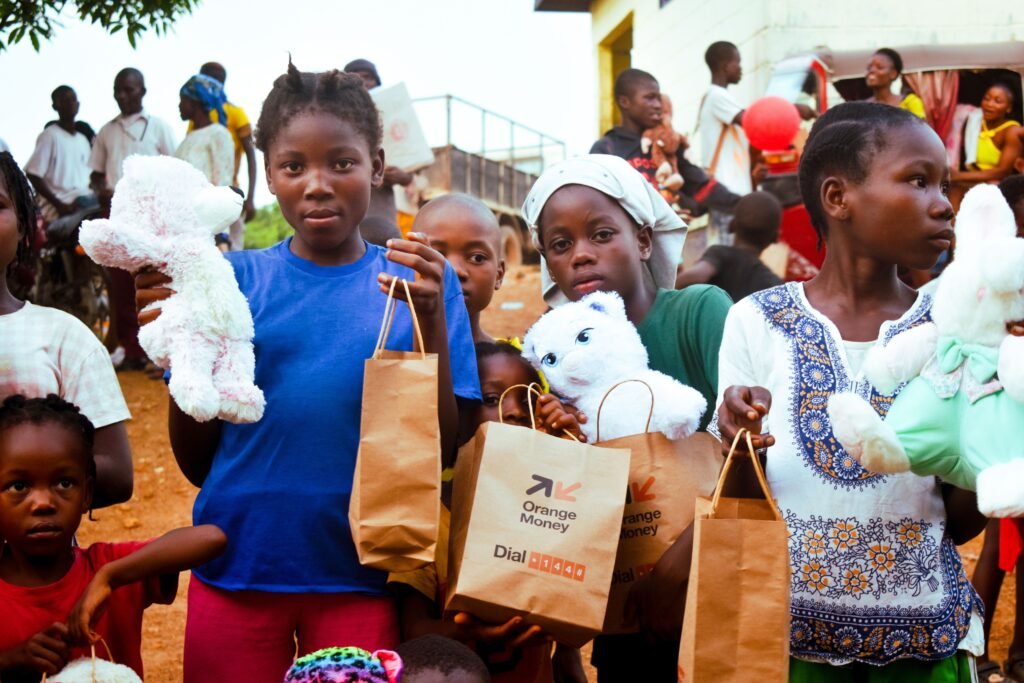
💁♂️ Donations in an ‘Orphanage’: A Healing Path to Mental Peace and Lasting Happiness
Giving is one of the purest expressions of kindness. While financial success, achievements, and material possessions can bring temporary satisfaction, helping those who truly need support often brings a much deeper sense of fulfillment. Among the many forms of charity, donating to an orphanage holds a special place because it directly touches the lives of children who may have lost the love, protection, and guidance of their parents. Every act of generosity—whether donating time, money, clothing, books, or simply sharing a smile—can make a meaningful difference.
Visiting an orphanage is not just about giving material items. It is about offering compassion, encouragement, hope, and genuine human connection. Spending quality time with children, listening to their dreams, playing games, celebrating birthdays, or teaching valuable life skills can uplift their confidence and brighten their future. At the same time, such experiences often transform the donor, bringing inner peace, gratitude, humility, and personal growth.
True charity is not measured by the size of the donation but by the sincerity behind it. A few hours spent reading stories to children, helping with homework, or simply being present can leave a lasting impact. Likewise, thoughtful donations tailored to different age groups can support children’s education, health, emotional well-being, and overall development.
This article explores how donating to an orphanage promotes mental peace and self-growth, the many ways to contribute, and practical examples of what to donate for children of different ages.
Why Supporting Orphanages Matters
Children in orphanages deserve opportunities to learn, grow, and feel valued. Although many orphanages work tirelessly to provide food, shelter, education, and care, they often rely on donations and volunteers to meet the diverse needs of children.
Your support can help provide:
- Nutritious meals
- Educational materials
- Healthcare essentials
- Comfortable clothing
- Recreational activities
- Emotional encouragement
- Skill development opportunities
- A sense of belonging and hope
Even the smallest act of kindness can remind a child that they are loved and that people care about their future.
How Donations Bring Mental Peace
1. Giving Creates Inner Happiness
Helping children without expecting anything in return creates a profound sense of joy. Knowing that your contribution has made someone’s life easier brings emotional satisfaction that material possessions rarely provide.
2. Gratitude Becomes Stronger
When spending time with children who have faced significant hardships, many people begin to appreciate their own blessings more deeply. This gratitude encourages a more positive outlook on life.
3. Reduced Stress and Anxiety
Acts of kindness help shift attention away from personal worries and toward meaningful service. Many volunteers report feeling calmer, happier, and emotionally refreshed after spending time helping others.
4. Greater Purpose in Life
Supporting vulnerable children reminds us that our lives can positively influence others. Living with purpose often contributes to greater emotional well-being and long-term fulfillment.
Self-Growth Through Charity
Helping others also helps us become better individuals.
Some valuable qualities developed through charitable work include:
- Compassion
- Patience
- Humility
- Gratitude
- Responsibility
- Leadership
- Emotional intelligence
- Kindness
- Generosity
- Empathy
These qualities strengthen both personal character and professional relationships.
The Value of Giving Your Time
Financial donations are important, but your presence can be equally meaningful.
Children often remember genuine interactions more than gifts.
Ways to spend time include:
- Reading storybooks
- Helping with homework
- Teaching English or mathematics
- Playing indoor and outdoor games
- Organizing drawing and painting sessions
- Celebrating birthdays
- Conducting science experiments
- Gardening together
- Singing songs
- Dancing
- Teaching computer basics
- Storytelling sessions
- Motivational talks
- Career guidance for older children
Time is one of the most valuable gifts because it creates memories.
Various Ways to Donate
1. Food Donations
Healthy food supports children’s physical growth.
Useful donations include:
- Rice
- Flour
- Lentils
- Beans
- Pasta
- Cooking oil
- Milk
- Eggs
- Fresh fruits
- Vegetables
- Yogurt
- Peanut butter
- Healthy cereals
- Dry fruits
Avoid donating expired or unhealthy processed food.
2. Clothing Donations
Donate clean, season-appropriate clothing.
Examples include:
- School uniforms (if requested)
- Jackets
- Sweaters
- Socks
- Shoes
- Sandals
- T-shirts
- Trousers
- Winter caps
- Raincoats
- Blankets
Ensure clothes are in excellent condition.
3. Educational Donations
Education changes lives.
Useful items include:
- School bags
- Notebooks
- Pencils
- Pens
- Erasers
- Sharpeners
- Geometry boxes
- Dictionaries
- Storybooks
- Encyclopedias
- Educational puzzles
- Art supplies
Knowledge remains one of the greatest gifts.
4. Health and Hygiene Donations
Personal hygiene protects children’s health.
Useful items:
- Toothbrushes
- Toothpaste
- Soap
- Shampoo
- Towels
- Hairbrushes
- Nail cutters
- Hand sanitizers
- Tissue boxes
- First-aid kits
- Face masks (when needed)
5. Recreational Donations
Play supports emotional and social development.
Donate:
- Footballs
- Cricket equipment
- Basketballs
- Board games
- Building blocks
- Dolls
- Toy cars
- Chess sets
- Skipping ropes
- Musical instruments
Play encourages teamwork and creativity.
6. Technology Donations
Older children benefit greatly from technology.
Examples:
- Laptops
- Desktop computers
- Tablets
- Educational software
- Headphones
- Keyboards
- Computer accessories
- Printers (if requested)
Technology can improve digital literacy and future career opportunities.
Age-Wise Donation Guide
Babies (0–2 Years)
Infants require comfort, nutrition, and hygiene.
Suitable donations include:
- Baby formula (if requested)
- Feeding bottles
- Baby blankets
- Soft towels
- Baby clothing
- Diapers
- Baby lotion
- Bibs
- Baby toys
- Soft pillows
- Baby shampoo
Young Children (3–5 Years)
At this stage, children enjoy learning through play.
Ideal donations:
- Picture books
- Coloring books
- Crayons
- Building blocks
- Stuffed animals
- Educational toys
- Small chairs
- Storybooks
- Alphabet charts
- Healthy snacks
Primary School Children (6–12 Years)
Their curiosity grows rapidly.
Useful donations include:
- School bags
- Notebooks
- Stationery
- School shoes
- Sports equipment
- Science kits
- Art materials
- Dictionaries
- Educational games
- Reading books
Teenagers (13–18 Years)
Teenagers prepare for higher education and careers.
Suitable donations:
- Reference books
- Career guidance books
- Laptops
- School supplies
- Sports shoes
- Skill development courses
- Online learning subscriptions
- Interview clothing
- Resume-writing workshops
- Language learning materials
Encouraging confidence and independence at this stage is especially valuable.
Emotional Donations Matter Too
Not every donation comes in a box.
Offer emotional support by:
- Listening patiently
- Encouraging dreams
- Appreciating achievements
- Celebrating birthdays
- Writing inspirational messages
- Sharing positive experiences
- Mentoring older children
- Teaching life skills
Sometimes kind words become lifelong memories.
Organizing Community Donation Drives
Communities can work together to maximize impact.
Ideas include:
- School donation campaigns
- Office charity collections
- Birthday donation events
- Wedding charity drives
- Sports tournaments for fundraising
- Book collection campaigns
- Winter clothing drives
- Food distribution programs
Working together increases the reach of every contribution.
Professional Skills You Can Volunteer
Instead of only donating items, share your expertise.
Professionals can contribute by teaching:
- Computer skills
- Graphic design
- Coding
- Photography
- Public speaking
- Sewing
- Cooking
- Gardening
- Financial literacy
- Language classes
- Music
- Art and craft
Teaching practical skills empowers children to build brighter futures.
Benefits for Families
Taking children to volunteer at an orphanage can teach lifelong values.
They learn:
- Kindness
- Gratitude
- Respect
- Sharing
- Compassion
- Social responsibility
Families also strengthen their own bonds by serving together.
Benefits for Students
Students who volunteer often develop:
- Leadership
- Teamwork
- Communication
- Time management
- Confidence
- Social awareness
These qualities also support academic and career success.
Benefits for Working Professionals
Professionals often experience:
- Reduced workplace stress
- Better emotional balance
- Improved communication
- Greater empathy
- Enhanced leadership
- Stronger sense of purpose
Giving back to society enriches both personal and professional life.
Things to Remember Before Donating
To ensure your generosity is truly helpful:
- Contact the orphanage in advance to ask about current needs.
- Donate clean, safe, and good-quality items.
- Respect the privacy and dignity of the children.
- Follow the orphanage’s visitor guidelines.
- Avoid giving inappropriate or unsafe gifts.
- Consider regular support rather than one-time donations.
- Encourage friends and family to participate in acts of kindness.
Thoughtful planning helps every donation have a greater impact.
Positive Habits Inspired by Charity
Regularly helping others can inspire you to:
- Practice daily gratitude.
- Spend less on unnecessary purchases.
- Value relationships more deeply.
- Become a more mindful listener.
- Use your talents to benefit others.
- Appreciate simple joys in life.
- Encourage generosity within your community.
These habits contribute to lasting self-growth and emotional well-being.
A Simple Real-Life Example
Imagine a family that visits a nearby orphanage once every month. Instead of only bringing food, they spend the afternoon reading stories, organizing games, helping children with homework, and celebrating birthdays with a homemade cake. They also donate age-appropriate books, warm clothing in winter, and school supplies before the new academic year.
The children feel encouraged, valued, and remembered. The family returns home with a renewed sense of gratitude and joy, realizing that their time, care, and attention were just as meaningful as the gifts they shared. Over time, these visits become a cherished tradition that enriches both the children’s lives and their own.
Conclusion
Donating to an orphanage is far more than an act of charity—it is an investment in humanity. Whether you contribute your time, skills, resources, or encouragement, your kindness can bring hope to children who need love, guidance, and opportunities to thrive. Thoughtful donations of food, clothing, educational materials, hygiene products, technology, and age-appropriate gifts help meet practical needs, while genuine interaction nurtures confidence, trust, and emotional well-being.
At the same time, the experience transforms the giver. Acts of generosity cultivate gratitude, compassion, humility, and a deeper appreciation for life’s blessings. They reduce stress, create mental peace, and remind us that true happiness often comes from serving others rather than focusing only on ourselves.
Remember, meaningful change does not always require grand gestures. A few hours of your time, a carefully chosen book, a warm winter coat, a nutritious meal, or words of encouragement can brighten a child’s day and inspire hope for the future. By supporting orphanages with sincerity, respect, and consistency, you not only help children build better lives but also nurture your own journey of self-growth, inner peace, and lasting fulfillment. Every act of kindness, no matter how small, has the power to create a ripple of positive change that extends far beyond what we can see.