

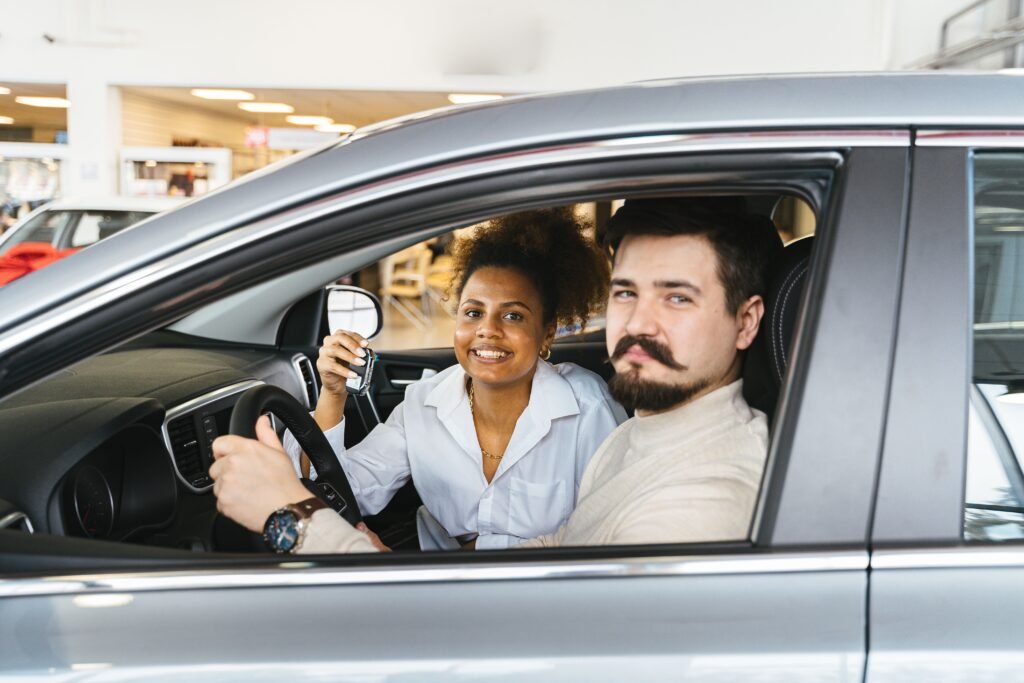
🚘 The Personal, Professional, and Social Importance of Learning to ‘Drive’
Driving is much more than simply operating a vehicle. It is an essential life skill that offers freedom, independence, confidence, and convenience in countless situations. In today’s fast-paced world, knowing how to drive is becoming increasingly valuable for both men and women. Whether it is rushing a loved one to the hospital during an emergency, dropping children safely at school, traveling to another city for urgent work, or managing daily responsibilities efficiently, driving can make a remarkable difference.
Although public transportation and ride-sharing services are available in many places, they cannot always provide immediate help when time is critical. Learning to drive empowers individuals to take control of important situations without depending entirely on others. It also contributes positively to personal growth, family well-being, professional success, and community support.
It is important to remember that driving should always be practiced responsibly by obtaining a valid driving license, following traffic laws, and developing safe driving habits.
Driving Builds Independence
One of the greatest advantages of learning to drive is gaining independence.
People who know how to drive are not constantly dependent on family members, neighbors, or hired drivers for transportation. They can plan their schedules according to their own priorities without worrying about the availability of others.
This independence creates:
- Greater self-confidence
- Better decision-making
- Increased responsibility
- Freedom to manage personal commitments
For many people, the ability to drive represents an important milestone toward becoming self-reliant.
Helping During Medical Emergencies
Life is unpredictable.
Medical emergencies can happen at any time of the day or night. Waiting for transportation during an emergency can sometimes waste precious minutes.
Knowing how to drive allows a person to:
- Take an injured family member to the hospital.
- Transport elderly parents for urgent treatment.
- Rush a pregnant woman safely to medical care.
- Help neighbors during emergencies.
- Take children for immediate medical attention.
While emergency ambulance services are essential and should be used when appropriate, there are situations where immediate transportation to the nearest medical facility can be extremely helpful.
Having someone in the family who can confidently drive often provides emotional comfort and practical support during difficult moments.
Supporting Children’s Education
Parents perform numerous responsibilities every day.
Driving makes many of these responsibilities easier.
Parents who can drive are able to:
- Drop children safely at school.
- Pick them up on time.
- Attend parent-teacher meetings.
- Take children to sports activities.
- Visit libraries and educational programs.
- Participate in school events.
Children also develop a stronger sense of security when they know their parents can quickly reach them whenever necessary.
Reliable transportation helps maintain consistency in children’s education and extracurricular activities.
Managing Family Responsibilities Efficiently
Modern families have busy schedules.
A typical day may include:
- Grocery shopping
- Medical appointments
- Banking
- Office work
- School activities
- Family gatherings
- Household errands
Driving allows people to complete several important tasks in one trip, saving valuable time and reducing unnecessary stress.
Instead of depending on multiple transport options, families can organize their routines more efficiently.
Professional Growth Through Driving
Driving opens doors to numerous career opportunities.
Many employers value candidates who possess a driving license because it demonstrates responsibility and flexibility.
Driving becomes especially useful in professions such as:
- Sales and marketing
- Teaching
- Healthcare
- Journalism
- Business management
- Event planning
- Customer service
- Real estate
- Engineering
- Technical services
Employees who can travel independently often find it easier to attend meetings, visit clients, supervise projects, and respond quickly to workplace requirements.
Traveling Between Cities
Sometimes important work requires immediate travel.
Examples include:
- Business meetings
- Family emergencies
- Official documentation
- Educational seminars
- Weddings
- Interviews
- Property matters
Knowing how to drive provides greater flexibility when traveling between cities, especially where suitable road infrastructure exists and conditions are safe.
Instead of waiting for scheduled transportation, people can manage urgent situations more effectively.
Proper trip planning, vehicle maintenance, and adequate rest are essential for safe long-distance driving.
Driving Enhances Time Management
Time is one of life’s most valuable resources.
Driving helps reduce unnecessary delays by allowing people to organize their daily routines according to their own schedules.
Benefits include:
- Arriving on time
- Better work-life balance
- Reduced waiting time
- Improved productivity
- More time with family
Saving even thirty minutes each day can create additional opportunities for exercise, reading, hobbies, or quality family time.
Empowering Women
Learning to drive is an empowering skill for women.
It enables women to:
- Travel independently.
- Pursue higher education.
- Manage businesses.
- Attend professional meetings.
- Handle emergencies.
- Care for children.
- Support elderly family members.
Driving increases confidence while reducing unnecessary dependence on others.
Women from all backgrounds benefit from having the ability to drive safely and responsibly, especially when balancing family and career responsibilities.
Benefiting Men Equally
Driving is equally important for men.
Whether managing family responsibilities or professional commitments, driving helps men become more dependable and efficient.
Knowing how to drive responsibly allows men to:
- Support their families.
- Help during emergencies.
- Fulfill workplace duties.
- Volunteer within their communities.
- Transport elderly relatives safely.
Driving is not about gender—it is a valuable life skill for everyone.
Strengthening Family Bonds
Driving often creates opportunities for spending quality time together.
Families can enjoy:
- Weekend outings
- Picnics
- Road trips
- Religious gatherings
- Family celebrations
- Cultural events
Shared journeys often become cherished memories.
Children especially enjoy family drives that include conversation, laughter, music, and learning experiences.
These moments strengthen emotional connections among family members.
Helping Elderly Parents
As parents grow older, transportation becomes increasingly important.
Driving enables adult children to:
- Take parents to regular medical checkups.
- Assist with shopping.
- Visit relatives.
- Attend religious services.
- Participate in family events.
Providing dependable transportation helps older adults remain socially active and connected.
Community Support
Driving also allows individuals to contribute positively to society.
Examples include:
- Helping accident victims reach medical care when appropriate and safe.
- Transporting neighbors during emergencies.
- Assisting elderly individuals.
- Participating in charity activities.
- Delivering relief supplies during natural disasters.
- Supporting community volunteer work.
Acts of kindness made possible through responsible driving strengthen community relationships.
Better Career Flexibility
Some jobs require frequent travel.
Employees who know how to drive often have greater flexibility in accepting assignments that involve:
- Site inspections
- Client meetings
- Regional offices
- Conferences
- Training programs
Employers may appreciate workers who can travel independently, increasing opportunities for professional advancement.
Confidence in Unexpected Situations
Unexpected situations occur without warning.
Examples include:
- Vehicle breakdowns nearby
- Family emergencies
- Sudden weather changes
- Urgent appointments
- School emergencies
A trained driver is often better prepared to respond calmly and efficiently.
Confidence comes from proper education, regular practice, and adherence to safe driving principles.
Greater Convenience During Bad Weather
Rain, extreme heat, or cold weather can make walking or waiting for public transportation difficult.
Driving provides greater comfort while reducing exposure to challenging weather conditions.
However, drivers should always adjust their speed, increase following distance, and remain extra cautious during adverse weather.
Improving Personal Confidence
Learning to drive successfully often improves overall self-confidence.
Mastering a new skill teaches people that they are capable of overcoming challenges through patience and consistent practice.
This confidence frequently extends into other areas of life, including:
- Education
- Career development
- Leadership
- Public communication
- Problem-solving
Learning never truly stops, and driving is one example of a practical skill that encourages lifelong growth.
Better Planning for Family Vacations
Driving allows families to plan enjoyable trips according to their own schedules.
Benefits include:
- Flexible departure times
- Scenic routes
- Frequent rest breaks
- Visiting multiple destinations
- Comfortable travel for children
Road trips often become memorable learning experiences where children discover history, geography, culture, and nature.
Emergency Business Needs
Business owners occasionally face urgent situations requiring immediate travel.
Examples include:
- Meeting suppliers
- Inspecting projects
- Delivering important documents
- Visiting customers
- Resolving operational issues
Driving enables quicker responses that may help prevent delays and maintain professional relationships.
Learning Responsibility
Driving teaches important life values.
Responsible drivers learn:
- Patience
- Discipline
- Alertness
- Respect for rules
- Courtesy toward others
- Accountability
These qualities often influence behavior beyond the road, contributing to stronger character and better decision-making.
Reducing Dependence on Others
Being unable to drive can sometimes limit opportunities.
Knowing how to drive responsibly reduces dependence for:
- Daily commuting
- Shopping
- Medical appointments
- Educational activities
- Social events
Greater independence often leads to increased confidence and satisfaction.
Creating Better Opportunities for Education
Students frequently travel for:
- Universities
- Workshops
- Libraries
- Internship programs
- Examinations
- Skill-development courses
Driving can simplify access to educational opportunities, especially in areas with limited public transportation.
Safe Driving Protects Everyone
Learning to drive is only the beginning.
Safe driving requires continuous responsibility.
Good habits include:
- Always wearing a seat belt.
- Following speed limits.
- Avoiding distractions such as mobile phones.
- Never driving under the influence of alcohol or drugs.
- Keeping a safe distance from other vehicles.
- Maintaining the vehicle regularly.
- Following traffic signals.
- Remaining patient and courteous.
- Avoiding aggressive driving.
- Taking breaks during long journeys.
Responsible driving protects not only the driver but also passengers, pedestrians, cyclists, and fellow motorists.
Social Benefits of Driving
Driving contributes positively to social life by making it easier to maintain relationships.
People can:
- Visit relatives more frequently.
- Attend weddings and celebrations.
- Participate in volunteer activities.
- Help friends during difficult times.
- Join community events.
- Build stronger social connections.
Transportation often removes barriers that prevent people from participating in meaningful social experiences.
Teaching the Next Generation
Parents who practice safe driving become positive role models.
Children observe:
- Respect for traffic laws.
- Patience.
- Courtesy.
- Responsibility.
- Care for others.
These observations help shape responsible future drivers and contribute to safer communities.
Financial Opportunities
Knowing how to drive may also create additional income opportunities where legally permitted.

Examples include:
- Delivery services
- Transportation services
- Field-based consulting
- Mobile repair businesses
- Sales representation
A driving license can expand employment possibilities and provide greater career flexibility.
Conclusion
Driving is far more than a convenient means of transportation—it is a practical life skill that supports independence, confidence, family care, professional growth, and community service. Whether responding to a medical emergency, taking children to school, traveling between cities for important work, assisting elderly parents, or simply managing daily responsibilities efficiently, responsible driving offers countless advantages.
For both women and men, learning to drive can enhance self-reliance and open doors to new opportunities. At the same time, the privilege of driving comes with an important responsibility: respecting traffic laws, maintaining vehicles properly, and prioritizing the safety of everyone on the road.
When combined with patience, discipline, and courtesy, driving becomes more than operating a vehicle—it becomes a valuable skill that strengthens families, supports communities, and helps individuals lead more confident, productive, and connected lives.