

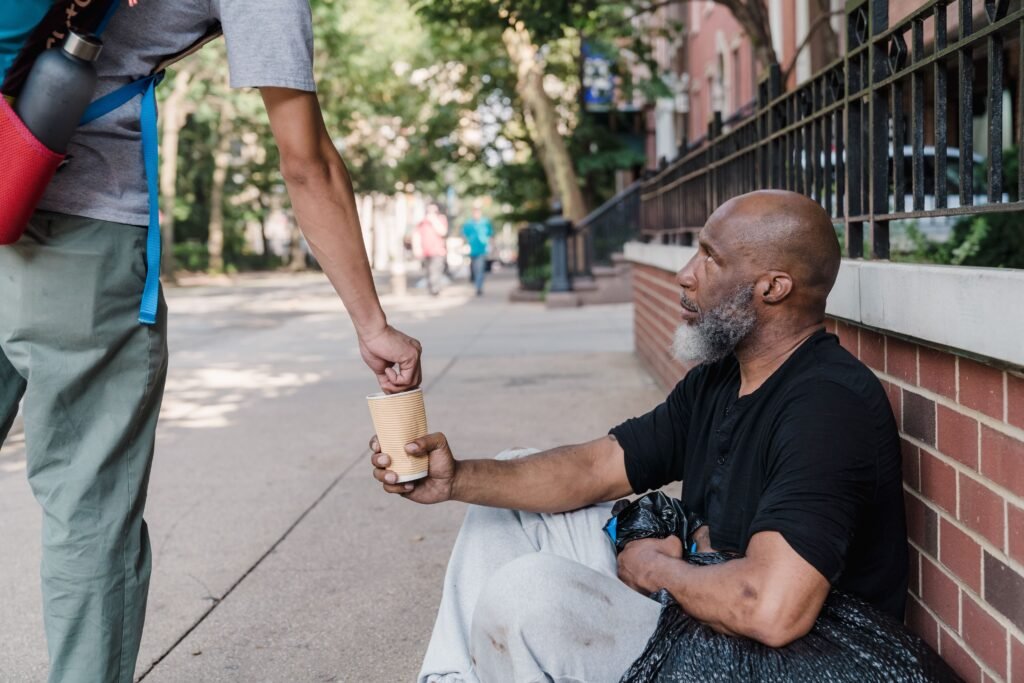
💁♀️ Generosity Sets the Highest Benchmark in Your Character & Creating a Positive Environment
Generosity is one of the most admirable qualities a person can possess. It goes far beyond giving money or expensive gifts—it is a way of thinking, living, and treating others with kindness and compassion. A generous person willingly shares time, knowledge, encouragement, resources, and love without expecting anything in return. Such people leave lasting impressions wherever they go because their actions reflect sincerity, humility, and a genuine desire to make life better for others.
In today’s fast-paced world, where people are often busy pursuing personal success, generosity serves as a refreshing reminder that true greatness lies not only in what we achieve but also in how much we contribute to the lives of others. Every small act of generosity, whether it is offering a helping hand, listening patiently, sharing knowledge, or supporting someone during difficult times, builds stronger relationships and creates a positive environment.
When generosity becomes a regular habit, it sets the highest benchmark in your character. People naturally trust, admire, and respect individuals who consistently demonstrate kindness and selflessness. More importantly, generous actions earn heartfelt blessings from those whose lives are touched, creating a cycle of goodwill that spreads far beyond the initial act.
Understanding the True Meaning of Generosity
Many people believe generosity is only about donating money. While financial assistance is certainly generous, true generosity has a much broader meaning.

Generosity includes:
- Sharing your knowledge with others.
- Giving your time to someone in need.
- Encouraging people during difficult moments.
- Helping without expecting recognition.
- Forgiving mistakes.
- Listening with patience.
- Offering emotional support.
- Celebrating the success of others.
- Being kind with your words.
- Sharing opportunities fairly.
A generous heart focuses on improving the lives of others in whatever way possible.
Generosity Reflects Strong Character
Character is revealed through actions rather than words.
Anyone can speak kindly, but consistently acting with generosity demonstrates integrity, compassion, and maturity.
People often judge character by observing how someone treats:
- Family members
- Friends
- Neighbors
- Colleagues
- Children
- Elderly people
- Strangers
- Those facing difficulties
Generous individuals extend kindness regardless of someone’s social status or background.
This consistency earns genuine admiration from everyone around them.
Why Generosity Creates Respect
Respect cannot be demanded; it must be earned.
Generous people naturally earn respect because they show genuine concern for others.
People appreciate those who:
- Offer help willingly.
- Share useful advice.
- Celebrate others’ achievements.
- Encourage personal growth.
- Speak politely.
- Support community efforts.
- Treat everyone fairly.
These qualities make others feel valued, creating stronger and healthier relationships.
The Joy of Giving Without Expectations
One of the purest forms of generosity is giving without expecting anything in return.
Acts of selfless giving include:
- Donating clothes to those in need.
- Helping a student understand a lesson.
- Preparing a meal for someone who is unwell.
- Volunteering in community programs.
- Visiting elderly relatives.
- Supporting a struggling friend emotionally.
- Sharing useful books.
- Mentoring younger colleagues.
When generosity is motivated by kindness rather than recognition, it becomes even more meaningful.
Sharing Knowledge Is a Powerful Form of Generosity
Knowledge increases when it is shared.
Teaching someone a valuable skill is one of the greatest gifts you can offer.
You can generously share knowledge by:
- Teaching computer skills.
- Explaining school subjects.
- Helping someone improve communication.
- Guiding a new employee.
- Sharing business experiences.
- Offering career advice.
- Recommending helpful books.
- Encouraging lifelong learning.
Unlike material possessions, knowledge continues benefiting people for years.
Generosity Strengthens Family Relationships
Families become stronger when generosity becomes part of daily life.
Generosity within families means:
- Helping with household responsibilities.
- Appreciating one another.
- Sharing responsibilities fairly.
- Supporting family members emotionally.
- Spending quality time together.
- Offering encouragement.
- Respecting different opinions.
These daily acts create a peaceful home filled with understanding and love.
Children raised in generous households often grow into compassionate adults.
Building Lasting Friendships Through Generosity
Friendship flourishes through kindness and mutual support.
Generous friends:
- Celebrate each other’s achievements.
- Offer sincere advice.
- Listen during difficult times.
- Provide encouragement.
- Share opportunities.
- Help solve problems.
- Respect boundaries.
Friendships built on generosity become stronger because they are based on trust rather than personal gain.
Generosity Creates Positive Work Environments
Generosity is equally valuable in professional settings.
At work, generosity can include:
- Helping colleagues complete tasks.
- Sharing useful resources.
- Appreciating team efforts.
- Encouraging new employees.
- Giving constructive feedback respectfully.
- Celebrating team successes.
These actions improve cooperation and create healthier workplaces.
People enjoy working with individuals who contribute positively to the team’s success.
Small Acts Can Have a Big Impact
Generosity does not require wealth.
Simple daily acts can brighten someone’s day.
Examples include:
- Holding a door open.
- Smiling warmly.
- Thanking service workers.
- Helping carry groceries.
- Offering your seat.
- Sharing homemade food.
- Writing an encouraging message.
- Checking on a friend.
Small gestures often create lasting memories because they demonstrate genuine care.
Generosity Encourages Gratitude
Giving and gratitude naturally complement each other.
Generous people often develop grateful hearts because they appreciate what they have and enjoy sharing it with others.
Likewise, recipients of generosity often become inspired to help someone else.
This creates a beautiful cycle of kindness within families, workplaces, and communities.
Emotional Benefits of Being Generous
Generosity benefits not only recipients but also those who give.
Acts of generosity often lead to:
- Greater happiness
- Reduced stress
- Increased life satisfaction
- Better emotional well-being
- Higher self-esteem
- Positive thinking
- Stronger relationships
- Greater purpose
Helping others gives life deeper meaning and fulfillment.
Generosity Inspires Others
People are naturally influenced by positive examples.
When children see parents helping neighbors, they learn compassion.
When employees observe leaders appreciating teamwork, they become more supportive.
When friends witness acts of kindness, they often imitate them.
One generous action can inspire dozens of others.
Kindness spreads quickly because people remember how generosity made them feel.
Generosity During Difficult Times
Life presents challenges for everyone.
During difficult moments, generous support becomes especially meaningful.
Ways to help include:
- Delivering meals to someone recovering from illness.
- Offering transportation.
- Babysitting for overwhelmed parents.
- Providing educational materials.
- Visiting lonely relatives.
- Listening without judgment.
- Encouraging someone facing setbacks.
These thoughtful actions remind people they are not alone.
Creating a Positive Environment
Generosity transforms environments wherever it is practiced.
At home, generous family members reduce conflicts by showing patience and understanding.
At school, generous students encourage cooperation instead of competition.
At work, generous colleagues build stronger teams.
Within communities, generous citizens strengthen social harmony.
Positive environments encourage:
- Respect
- Cooperation
- Trust
- Happiness
- Safety
- Mutual support
- Open communication
Everyone benefits when generosity becomes part of daily interactions.
Generosity and Personal Growth
Generosity develops many admirable qualities.
It teaches:
- Humility
- Patience
- Compassion
- Empathy
- Responsibility
- Leadership
- Gratitude
- Emotional intelligence
These qualities contribute significantly to personal and professional success.
A generous individual becomes someone others naturally admire and trust.
Practical Ways to Practice Generosity Every Day
You do not need extraordinary resources to become generous.
Here are practical ideas:
- Compliment someone’s efforts sincerely.
- Donate books you no longer use.
- Mentor a younger student.
- Volunteer in community activities.
- Share educational resources.
- Cook for a neighbor.
- Visit elderly relatives regularly.
- Encourage someone pursuing a dream.
- Offer your skills to nonprofit organizations.
- Forgive minor mistakes.
- Be patient during conversations.
- Support local charities.
- Plant trees or care for public spaces.
- Share useful opportunities.
- Express appreciation frequently.
These simple habits gradually become part of your character.
The Blessings of Generosity
Many people describe generosity as something that returns in unexpected ways.
While generous acts should never be performed solely for rewards, kindness often brings meaningful benefits, such as:
- Stronger friendships
- Loving family relationships
- Greater trust
- Community respect
- Peace of mind
- Emotional fulfillment
- Lifelong memories
- Opportunities to make a positive difference
Perhaps the greatest reward is knowing that your actions have eased someone’s burden or brought joy to their day.
Benefits of Generosity
Practicing generosity consistently offers numerous advantages:
- Builds an admirable character.
- Strengthens family bonds.
- Deepens friendships.
- Creates positive workplaces.
- Encourages cooperation.
- Inspires gratitude.
- Develops empathy.
- Reduces selfishness.
- Promotes emotional well-being.
- Enhances leadership qualities.
- Improves communication.
- Creates happier communities.
- Inspires children through example.
- Earns respect naturally.
- Encourages lifelong learning.
- Brings inner satisfaction.
- Strengthens trust.
- Promotes kindness.
- Supports those in need.
- Leaves a lasting legacy.
Teaching Generosity to Children
Children learn generosity best through observation and practice.
Parents and teachers can encourage generous habits by:
- Involving children in charitable activities.
- Encouraging them to share toys and books.
- Praising acts of kindness.
- Reading stories about compassion.
- Teaching gratitude.
- Helping them create handmade gifts.
- Encouraging volunteer work appropriate for their age.
- Demonstrating generosity through daily actions.
These experiences help children grow into thoughtful and caring adults.
Conclusion
Generosity is one of the finest qualities a person can develop. It is not measured by the size of a donation or the cost of a gift but by the sincerity of the heart and the willingness to uplift others. Whether you share your time, knowledge, encouragement, or resources, every generous act contributes to a kinder and more compassionate world.
By practicing generosity consistently, you build a character that earns admiration, trust, and respect from family, friends, colleagues, and the wider community. Your actions create a positive environment where kindness, gratitude, and cooperation flourish. They inspire others to act with compassion, strengthening relationships and making everyday life more meaningful.
Most importantly, generosity brings a deep sense of fulfillment. The smiles you create, the burdens you help lighten, and the hope you offer become lasting reminders that even small acts of kindness can make a significant difference. Make generosity a daily habit, and you will not only enrich the lives of others but also cultivate a life filled with purpose, blessings, meaningful relationships, and a legacy of goodness that endures for years to come.