
🤽♂️ Tips to Indulge Yourself in ‘Creativity’ with Various Interesting Activities
Creativity is one of the greatest gifts every individual possesses. It is not limited to artists, writers, musicians, or designers. Creativity is the ability to think differently, solve problems in unique ways, express emotions, and bring fresh ideas into everyday life. Whether you are preparing a delicious meal, decorating your home, writing in a journal, gardening, or finding a new way to organize your daily routine, you are using creativity.
In today’s fast-paced world, many people become so occupied with work, studies, family responsibilities, and digital distractions that they forget to nurture their creative side. However, making time for creative activities can improve mental well-being, reduce stress, increase confidence, and help you discover new talents. Engaging in creative pursuits also encourages personal growth by teaching patience, curiosity, resilience, and self-expression.
The wonderful thing about creativity is that there are endless ways to explore it. You do not need expensive equipment or professional training. All you need is a willingness to experiment, learn, and enjoy the process. Every creative effort, no matter how small, contributes to a happier and more fulfilling life.
Below are practical tips and enjoyable activities that can help you embrace creativity while promoting self-growth and positivity.
1. Keep a Daily Journal
Writing your thoughts is one of the simplest forms of creativity.
A journal allows you to:
- Reflect on your experiences.
- Express your emotions.
- Record ideas.
- Set personal goals.
- Celebrate daily achievements.
There is no right or wrong way to journal. Write freely without worrying about grammar or perfection. Over time, journaling improves self-awareness and encourages positive thinking.
2. Try Drawing or Sketching
You do not have to be an artist to enjoy drawing.
Sketching everyday objects, landscapes, flowers, or imaginative scenes helps:
- Improve focus.
- Relax your mind.
- Enhance observation skills.
- Boost imagination.
Every drawing is an opportunity to learn something new rather than create perfection.
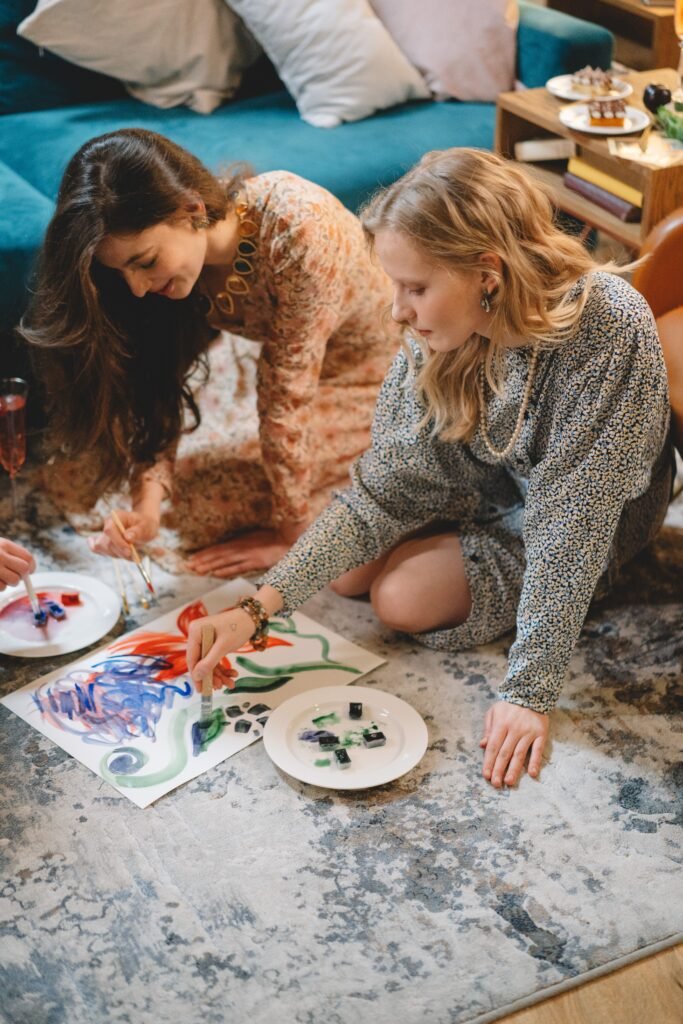
3. Experiment with Painting
Painting offers a wonderful way to express emotions through colors.
Whether using watercolors, acrylics, or simple poster paints, painting helps you:
- Release stress.
- Increase patience.
- Develop artistic confidence.
- Experience the joy of creation.
Allow yourself to paint freely without judging the outcome.
4. Learn Creative Photography
Photography teaches you to notice beauty in ordinary moments.
Capture:
- Nature
- Sunsets
- Flowers
- Family memories
- Architecture
- Everyday life
Looking through a camera lens encourages mindfulness and appreciation for your surroundings.
5. Explore Creative Writing
Writing stories, poems, essays, or personal reflections stimulates imagination.
Creative writing helps you:
- Improve communication skills.
- Expand vocabulary.
- Explore emotions.
- Build confidence.
- Develop original ideas.
Even writing a short paragraph every day can strengthen your creativity.
6. Cook Something New
Cooking is both practical and creative.
Try:
- New recipes.
- Healthy ingredients.
- International cuisines.
- Creative food presentation.
- Homemade desserts.
Preparing meals with creativity turns an everyday task into an enjoyable experience while benefiting your health.
7. Decorate Your Living Space
Refreshing your environment inspires fresh thinking.
Simple ideas include:
- Rearranging furniture.
- Adding indoor plants.
- Creating handmade decorations.
- Displaying family photographs.
- Organizing books creatively.
A pleasant environment positively influences mood and productivity.
8. Learn Handmade Crafts
Crafting combines creativity with practical skills.
Examples include:
- Paper crafts
- Candle making
- Knitting
- Crochet
- Clay modeling
- Jewelry making
- Greeting cards
Crafting strengthens concentration while producing something meaningful.
Important Creative Activities for Self-Growth
- Keep a gratitude journal.
- Paint without worrying about perfection.
- Try creative photography.
- Read inspiring books.
- Cook healthy recipes.
- Learn calligraphy.
- Explore gardening.
- Listen to different music genres.
- Practice creative problem-solving.
- Celebrate every small achievement.
9. Read Inspiring Books
Reading fuels imagination by exposing you to different perspectives.
Choose books about:
- Personal development.
- Fiction.
- History.
- Science.
- Travel.
- Culture.
- Motivation.
Reading regularly encourages lifelong learning and creative thinking.
10. Learn Calligraphy or Hand Lettering
Beautiful handwriting is an enjoyable artistic hobby.
Practicing calligraphy:
- Improves patience.
- Enhances focus.
- Strengthens fine motor skills.
- Produces beautiful handmade artwork.
Creating inspirational quotes with decorative lettering is especially rewarding.
11. Start Gardening
Gardening is both creative and therapeutic.
Growing flowers, herbs, fruits, or vegetables teaches:
- Responsibility.
- Patience.
- Appreciation for nature.
- Mindfulness.
Watching plants grow provides a wonderful sense of accomplishment.
12. Listen to Different Types of Music
Music inspires imagination and emotional expression.
Explore genres you have never heard before.
Listening carefully to melodies and lyrics can:
- Improve mood.
- Increase creativity.
- Reduce stress.
- Spark new ideas.
You may even feel inspired to learn an instrument.
13. Learn Basic Musical Skills
Playing an instrument challenges both the mind and body.
Whether you choose:
- Piano
- Guitar
- Violin
- Flute
- Drums
- Keyboard
Learning music improves memory, concentration, and self-discipline.
14. Build Something Yourself
DIY (Do-It-Yourself) projects encourage problem-solving.
Examples include:
- Building shelves.
- Repairing furniture.
- Creating storage boxes.
- Making home decorations.
- Designing organizers.
Every project builds confidence and practical skills.
15. Practice Creative Problem-Solving
Creativity extends beyond artistic activities.
Challenge yourself by asking:
- Is there another solution?
- Can this task be simplified?
- What would happen if I tried a different method?
Flexible thinking helps both personal and professional growth.
16. Spend Time in Nature
Nature naturally stimulates creativity.
Take walks in:
- Parks
- Forests
- Beaches
- Mountains
- Gardens
Observe colors, sounds, shapes, and textures.
Many creative ideas emerge during peaceful moments outdoors.
17. Try Mind Mapping
Mind maps help organize thoughts visually.
Choose one central idea and connect related ideas using branches.
Mind mapping helps with:
- Brainstorming.
- Planning projects.
- Studying.
- Goal setting.
- Creative writing.
It encourages your brain to think more freely.
18. Learn a New Skill
Learning keeps your mind active.
Consider learning:
- A new language.
- Graphic design.
- Sewing.
- Coding.
- Baking.
- Public speaking.
- Digital illustration.
Every new skill expands your confidence and creativity.
19. Practice Gratitude Creatively
Instead of simply listing blessings, express gratitude creatively.
Ideas include:
- Drawing gratitude pictures.
- Writing thank-you letters.
- Creating gratitude jars.
- Making photo albums.
- Designing inspirational posters.
Creative gratitude deepens appreciation for everyday life.
20. Reduce Screen Time
Constant digital entertainment often limits imagination.
Instead of scrolling endlessly:
- Read.
- Paint.
- Build puzzles.
- Write.
- Garden.
- Craft.
- Cook.
- Exercise.
Giving your mind quiet space encourages original thinking.
21. Collaborate with Others
Creativity grows through shared experiences.
Join:
- Art workshops.
- Writing groups.
- Community classes.
- Photography clubs.
- Cooking sessions.
- Volunteer projects.
Working with others introduces new ideas and different perspectives.
22. Accept Imperfection
One of the biggest obstacles to creativity is perfectionism.
Remember:
Every skilled artist, musician, writer, and creator started as a beginner.
Mistakes are part of learning.
Focus on enjoying the creative journey rather than producing flawless results.
23. Set Aside Regular Creative Time
Creativity develops through consistency.
Schedule even 20–30 minutes several times a week for activities you enjoy.
Treat this time as an investment in your mental well-being and personal development.
Small, regular efforts often lead to remarkable growth.
24. Celebrate Your Progress
Do not compare your creative journey with someone else’s.
Instead:
- Save your work.
- Reflect on improvements.
- Share your creations with supportive people.
- Reward yourself for completing projects.
Recognizing your progress builds confidence and motivates you to keep creating.
Benefits of Embracing Creativity
Making creativity a regular part of your life offers many lasting benefits:
- Reduces stress and anxiety.
- Improves emotional well-being.
- Strengthens problem-solving abilities.
- Increases confidence.
- Encourages lifelong learning.
- Enhances communication skills.
- Promotes mindfulness.
- Inspires innovation.
- Builds resilience through experimentation.
- Creates a greater sense of purpose and fulfillment.
Creating a Positive Creative Lifestyle
You do not need to make dramatic changes to become more creative. Start with small, enjoyable habits that fit naturally into your daily routine. Keep a notebook for ideas, take photos during walks, experiment with a new recipe, paint for fun, or spend a few minutes writing each day. Over time, these simple practices become meaningful habits that enrich your life.
Surround yourself with inspiring people, books, music, and environments that encourage curiosity. Give yourself permission to explore new interests without the pressure of being perfect. Creativity thrives when you approach it with an open mind and a willingness to learn.
Conclusion
Creativity is much more than a hobby—it is a pathway to self-growth, happiness, and positivity. Every creative activity, whether writing, painting, cooking, gardening, photography, crafting, or learning a new skill, helps you develop patience, confidence, resilience, and a deeper appreciation for life.
By embracing creativity, you allow yourself to discover hidden talents, solve challenges with fresh perspectives, and express your unique personality. The most important step is simply to begin. Every sketch, every written page, every planted seed, every homemade meal, and every new idea is a meaningful investment in your personal growth.
Remember that creativity is not about being the best; it is about enjoying the process, learning continuously, and finding joy in creating something that reflects who you are. As you make creativity a regular part of your routine, you will not only strengthen your imagination but also cultivate a more optimistic mindset, healthier emotional balance, and a richer, more fulfilling life.