

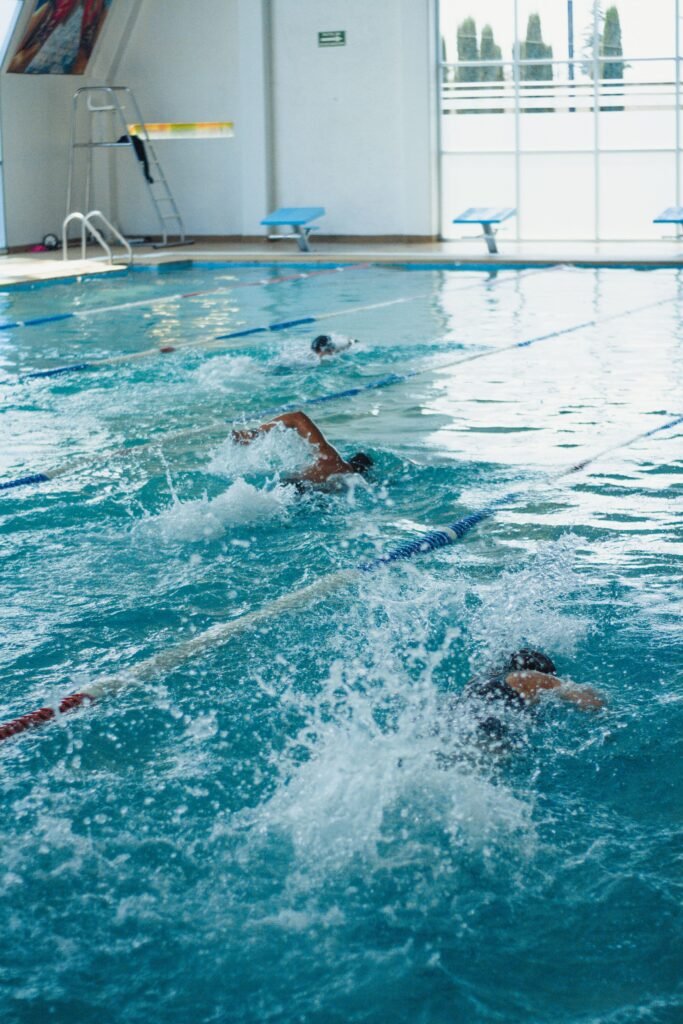
🏊 ‘Swimming’ Helps Reduce Stress, Making You ‘Super Fit’
wimming is one of the most complete forms of exercise, benefiting both the body and the mind. Unlike many other physical activities, swimming provides a full-body workout while being gentle on the joints. Whether you are a beginner learning your first strokes or an experienced swimmer improving your endurance, spending time in the water offers countless physical, mental, and emotional benefits.
Modern life often brings stress through work, studies, family responsibilities, and busy schedules. Many people search for healthy ways to relax while improving their fitness. Swimming offers an excellent solution because it combines physical movement with the calming effects of water. As you glide through the pool, your breathing becomes more controlled, your muscles work together, and your mind gradually shifts away from daily worries.
Swimming is much more than a sport. It is a lifelong activity that promotes health, confidence, discipline, and happiness. By making swimming a regular part of your routine, you can improve your physical fitness, reduce stress, increase your energy levels, and enjoy a healthier lifestyle.
Why Swimming Is a Complete Exercise
Swimming engages nearly every major muscle group in the body.
As you move through the water, you naturally use your:
- Arms.
- Shoulders.
- Chest.
- Back.
- Core.
- Hips.
- Legs.
Because water provides natural resistance, muscles work continuously without placing excessive pressure on joints.
This makes swimming suitable for people of many different ages and fitness levels.
It is an effective way to build strength while protecting the body from unnecessary strain.
Reduces Stress Naturally
One of the greatest benefits of swimming is its ability to reduce stress.
When you swim, your breathing becomes rhythmic and controlled.
The gentle movement through water encourages relaxation while helping the mind focus on the present moment.
Swimming helps:
- Calm anxious thoughts.
- Reduce mental fatigue.
- Improve emotional balance.
- Encourage relaxation.
- Create a sense of peace.
Many swimmers describe feeling refreshed and mentally lighter after even a short session.
The calming environment of the water provides a welcome break from everyday pressures.
Improves Physical Fitness
Swimming strengthens the entire body.
Regular swimming helps improve:
- Cardiovascular endurance.
- Muscle strength.
- Flexibility.
- Coordination.
- Balance.
- Stamina.
Unlike exercises that target only specific muscles, swimming encourages balanced physical development.
Every stroke contributes to greater overall fitness.
Consistent practice gradually increases both strength and endurance.
Supports Heart Health
Swimming is an excellent cardiovascular exercise.
It encourages the heart and lungs to work more efficiently.
Regular swimming can help:
- Improve circulation.
- Increase endurance.
- Support healthy blood flow.
- Strengthen cardiovascular fitness.
A healthy heart contributes to increased energy and improved quality of life.
Cardiovascular exercise also supports long-term physical well-being.
Gentle on the Joints
Many exercises involve repeated impact on knees, ankles, and hips.
Swimming is different.
Water supports much of your body weight, reducing stress on joints.
This makes swimming an excellent option for:
- Older adults.
- Individuals recovering from certain injuries.
- People seeking low-impact exercise.
- Beginners starting a fitness journey.
Gentle movement allows people to remain active while minimizing discomfort.
Burns Calories Efficiently
Swimming is an effective way to support healthy weight management.
Different swimming strokes require varying levels of effort, helping the body use energy efficiently.
Combined with balanced nutrition, regular swimming contributes to maintaining a healthy body composition.
Fitness becomes enjoyable when exercise feels refreshing rather than exhausting.
Strengthens the Muscles
Each swimming stroke activates multiple muscle groups simultaneously.
Swimming develops strength in:
- Arms.
- Back.
- Core.
- Legs.
- Shoulders.
Water resistance naturally increases muscle engagement without requiring heavy equipment.
As strength improves, everyday activities often become easier and more comfortable.
Strong muscles also support better posture and overall mobility.
Improves Flexibility
Swimming encourages the body to move through a wide range of motion.
Regular practice helps improve flexibility in:
- Shoulders.
- Hips.
- Ankles.
- Spine.
Flexible muscles and joints contribute to smoother movement while reducing stiffness.
Greater flexibility also supports other physical activities.
Boosts Confidence
Learning to swim is a meaningful accomplishment.
Each new skill builds confidence.
Examples include:
- Floating comfortably.
- Learning breathing techniques.
- Completing longer distances.
- Improving swimming strokes.
- Achieving personal goals.
Confidence gained in the pool often carries into other areas of life.
Success develops through patience and consistent practice.
Encourages Better Sleep
Physical activity often contributes to healthier sleep.
Swimming uses both physical and mental energy, helping the body relax naturally afterward.
People who swim regularly often report:
- Falling asleep more easily.
- Sleeping more deeply.
- Waking up refreshed.
Good sleep supports mood, concentration, and overall well-being.
Rest and exercise work together to promote better health.
Inspiring Examples of Swimmers and Fitness Enthusiasts
Many accomplished athletes have demonstrated the value of swimming, discipline, and perseverance.
1. Michael Phelps
Michael Phelps’ remarkable swimming career reflects years of dedication, discipline, and consistent training. His achievements demonstrate how regular practice and determination can lead to extraordinary success.
2. Katie Ledecky
Katie Ledecky is admired for her commitment to excellence, endurance, and continuous improvement. Her work ethic highlights the importance of persistence and healthy habits.
3. Ian Thorpe
Ian Thorpe inspired millions through his exceptional performances and dedication to swimming. His career emphasizes the rewards of discipline and perseverance.
4. Mark Spitz
Mark Spitz became one of swimming’s legendary athletes through years of focused training and determination.
5. Missy Franklin
Missy Franklin has spoken about the joy of swimming and the importance of maintaining a positive attitude while pursuing excellence.
6. Adam Peaty
Adam Peaty’s dedication to continuous improvement demonstrates how focused effort builds confidence and world-class performance.
7. Sarah Sjöström
Sarah Sjöström’s achievements highlight resilience, consistency, and the benefits of disciplined training.
8. Caeleb Dressel
Caeleb Dressel emphasizes preparation, mental focus, and healthy routines that contribute to athletic success.
9. Kosuke Hagino
Kosuke Hagino’s perseverance through challenges demonstrates the importance of determination and resilience.
10. Penny Oleksiak
Penny Oleksiak inspires young athletes through her dedication, optimism, and commitment to continuous improvement.
These athletes remind us that consistent practice and healthy habits often produce remarkable achievements.
Swimming Improves Mental Focus
Swimming requires concentration.
Swimmers pay attention to:
- Breathing.
- Body position.
- Arm movement.
- Leg kicks.
- Rhythm.
This focused attention encourages mindfulness.
For a while, everyday worries fade into the background.
Mental clarity improves as the mind concentrates on smooth, controlled movement.
Builds Discipline
Regular swimming develops valuable life skills.
Successful swimmers learn:
- Consistency.
- Time management.
- Goal setting.
- Patience.
- Self-discipline.
These habits extend beyond the swimming pool.
Discipline developed through exercise often supports success in education, careers, and personal growth.
Provides a Healthy Social Activity
Swimming can also strengthen social connections.
Joining swimming clubs or group lessons allows people to:
- Meet new friends.
- Learn from instructors.
- Encourage one another.
- Celebrate progress together.
Positive social interaction contributes to emotional well-being.
Shared activities often create lasting friendships.
Tips for Beginning Swimmers
If you are new to swimming:
- Start slowly.
- Learn proper breathing techniques.
- Practice regularly.
- Focus on correct form.
- Warm up before swimming.
- Stay hydrated.
- Swim under proper supervision when necessary.
Progress happens gradually.
Patience leads to steady improvement.
Every session builds confidence.
Pair Swimming with Healthy Habits
Swimming works best alongside other healthy lifestyle choices.
Support your fitness by:
- Eating balanced meals.
- Drinking enough water.
- Sleeping well.
- Stretching regularly.
- Maintaining a positive mindset.
Healthy habits reinforce one another.
Wellness becomes easier when positive choices are made consistently.
Make Swimming Enjoyable
Fitness should be enjoyable rather than stressful.
Keep swimming interesting by:
- Learning different strokes.
- Setting personal goals.
- Swimming with friends.
- Tracking progress.
- Trying new challenges.
Enjoyment encourages consistency.
Consistency produces lasting results.
Build a Lifelong Habit
Swimming is an activity that many people can enjoy throughout their lives.
Unlike certain sports that become more difficult with age, swimming often remains accessible for many years.
Making swimming a lifelong habit supports:
- Long-term fitness.
- Healthy aging.
- Emotional well-being.
- Continued mobility.
- Lasting confidence.
The benefits continue accumulating over time.
Conclusion
Swimming is one of the most rewarding activities for achieving both physical fitness and mental well-being. By engaging the entire body, strengthening the heart and muscles, improving flexibility, supporting healthy weight management, and protecting the joints, swimming offers a complete workout suitable for people of all ages and fitness levels. At the same time, its calming effect on the mind helps reduce stress, improve focus, encourage better sleep, and create a lasting sense of relaxation and positivity.
The inspiring journeys of accomplished swimmers such as Michael Phelps, Katie Ledecky, Ian Thorpe, Mark Spitz, Missy Franklin, Adam Peaty, Sarah Sjöström, Caeleb Dressel, Kosuke Hagino, and Penny Oleksiak demonstrate that dedication, consistency, and perseverance can lead to remarkable achievements. Their examples remind us that success begins with small, regular efforts and a commitment to continuous improvement.
Whether your goal is to become stronger, reduce daily stress, improve your overall health, or simply enjoy a refreshing form of exercise, swimming offers a lifelong path toward wellness. Every lap completed, every new technique learned, and every session spent in the water brings you closer to a healthier body, a calmer mind, and a more energetic, confident, and fulfilling life.