

🤝✨Accountability Groups for Goals: How Small Support Groups Help You Build Better Habits
Have you ever started a new goal with excitement, created a detailed plan, and promised yourself that this time would be different—only to lose motivation a few weeks later? 💭 Whether you want to exercise regularly, improve your confidence, grow your blog, learn a new skill, or develop a healthier daily routine, staying consistent can be harder than getting started.
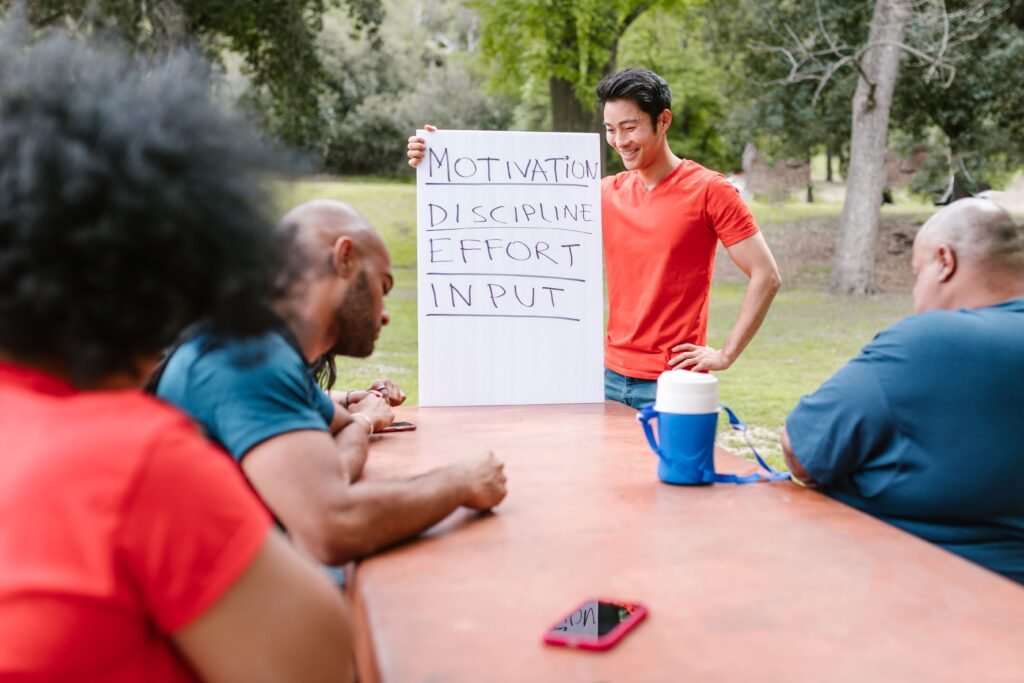
The good news is that you do not have to pursue your dreams alone! 🌷 One practical way to stay motivated is to join or create accountability groups for goals—small groups of people who encourage one another, share progress, overcome setbacks, and celebrate achievements together.
Let’s explore how accountability groups work, why smaller circles can be helpful, and how you can start or join one for free! 💛
🌱 What Are Accountability Groups for Goals?
Accountability groups are small communities in which members help one another follow through on personal or professional commitments.
Instead of keeping every goal private, you share your intentions with a few trusted people and agree to check in regularly. Members discuss what they accomplished, where they struggled, and what they plan to do next.
For example, imagine that you want to develop a daily writing habit. You could join three other aspiring writers who agree to write for 20 minutes each day and share their progress every evening.
You do not need to write a perfect article every day. You simply need to show up, make an honest effort, and communicate your progress.
An accountability group is not about controlling your choices. It is about creating a supportive environment where your own commitments become easier to keep. 🌼
Common goals that work well in accountability groups include:
- 🏃 Building an exercise or walking routine.
- 📚 Reading books and developing learning habits.
- ✍️ Writing blog posts, journaling, or completing creative projects.
- 💻 Improving professional skills or learning digital tools.
- 💰 Practicing budgeting and mindful spending.
- 🧘 Developing self-care and stress-management routines.
- 🌟 Improving confidence, communication, and personal growth.
- 🎯 Completing long-term projects one manageable step at a time.
The practical takeaway is simple: choose a group where people actively support one another, communicate consistently, and follow through on realistic commitments. A small circle is an excellent place to start, but quality matters more than size alone.
💛 7 Benefits of Joining an Accountability Group
1. 🎯 You become clearer about your goals
Saying, “I want to improve my life,” is a wonderful intention, but it can be difficult to act on. An accountability group encourages you to turn broad wishes into specific actions, such as reading ten pages each day or publishing one blog post every week.
2. 🌷 You build consistency gradually
When you know that you will check in with your group on Friday, you have a natural opportunity to review your efforts. You do not have to feel motivated every day; a simple routine helps you keep moving.
3. 💕 You feel supported instead of isolated
Personal growth can sometimes feel lonely, especially when the people around you do not share your interests. Connecting with others who understand your challenges can help you feel encouraged and understood.
4. ✨ You learn from other people’s experiences
A fellow member may share a simple time-management technique, a useful learning resource, or an easy way to overcome procrastination. Different perspectives can help you discover solutions you might not have considered.
5. 🌻 You recognize small victories
Finishing a difficult task, walking for fifteen minutes, or practicing a new skill deserves recognition. Sharing these little wins reminds you that meaningful progress often comes from ordinary daily actions.
6. 💪 You learn to recover from setbacks
Missing a planned activity does not mean you have failed. A supportive group can help you understand what went wrong, adjust your plan, and start again without unnecessary guilt.
7. 🎉 You can make progress without spending money
You do not need an expensive coach, paid membership, or premium productivity application. A free messaging group, shared document, or weekly phone call can provide a simple accountability system.
👥 Why Start With a Small Group?
A large online community can provide a wealth of ideas, inspiration, and resources. However, when hundreds or thousands of people share updates, it can be difficult to build meaningful connections with individual members.
A smaller group can offer a more personal experience.
Here are some reasons to consider starting with three to five people:
- Everyone gets a voice. Members have more opportunities to share updates and ask questions.
- Communication feels personal. You can understand each person’s goals, obstacles, and preferred working style.
- Progress is easier to follow. A brief update from each member can be enough to understand how the week went.
- Trust can develop naturally. Regular conversations can create a comfortable space for honest discussions.
- Meetings can stay short. A 15–20-minute weekly check-in may be enough to review progress and set new commitments.
These are practical advantages, not guarantees. A small group can become inactive, while a well-organized larger community can be extremely helpful.
The ideal group is one in which members feel comfortable being honest, know what is expected, and respect each other’s time.
🆓 How to Start or Join an Accountability Group for Free
You can build a useful accountability group without buying anything. Follow these steps to get started.
Step 1: Choose One Meaningful Goal 🎯
Before searching for other people, decide what you want to improve.
Ask yourself:
- What do I want to accomplish over the next four weeks?
- Why is this goal important to me?
- What small action can I repeat regularly?
- How will I know that I am making progress?
For example, instead of saying, “I want to become more productive,” try, “I will spend 20 focused minutes working on my most important project five days a week.”
A clear goal makes it easier for your group to support you.
Step 2: Find Three to Five Compatible People 🤝
Look for people who are committed to growth, communicate respectfully, and can make time for regular check-ins.
You could invite:
- Friends who want to develop healthier routines.
- Colleagues who are learning new professional skills.
- Fellow bloggers or content creators.
- Students who want to improve their study habits.
- Online acquaintances who share your interests.
Your members do not need identical goals. One person might want to exercise, another might want to read more, and another might want to finish a creative project. The shared commitment to consistent action is what brings you together.
Step 3: Choose a Free Communication Tool 📱
Keep your system simple. You could use a messaging app you already have, a free video-call option, or a shared spreadsheet or document.
Decide whether your group prefers daily text updates, weekly calls, or a combination of both.
Avoid spending hours comparing productivity tools before beginning. The best tool is one that everyone can access comfortably and use consistently.
Step 4: Agree on Simple Group Rules 📝
Healthy expectations prevent confusion and unnecessary pressure.
Your group might agree to:
- Share one realistic commitment at a time.
- Check in at an agreed-upon time.
- Celebrate effort as well as results.
- Offer advice only when someone wants it.
- Respect confidentiality and personal boundaries.
- Allow members to miss a check-in without being shamed.
- Review and adjust goals when circumstances change.
Accountability should encourage responsibility, not create fear. No member should feel forced to reveal private information or accept punishment for a difficult week.
Step 5: Set a Weekly Check-In Schedule 📅
Choose a day and time that suits everyone. For example, every Sunday evening, members could answer three questions:
- What did I accomplish this week?
- What challenged me, and what did I learn?
- What is my most important commitment for next week?
Keep the discussion focused and supportive. If a member needs additional help, allow time for it without turning every meeting into a lengthy problem-solving session.
Step 6: Track Progress With a Simple System ✅
A shared spreadsheet or checklist can help everyone see progress without making the process complicated.
Record the habit, the planned action, the completed action, and any useful observations.
For example, someone learning a foreign language could track the number of short practice sessions completed each week. A blogger could record writing sessions or published articles.
Remember that tracking should help you understand your behavior, not encourage unhealthy competition. Members have different responsibilities, energy levels, and starting points.
Step 7: Review, Celebrate, and Adjust 🌟
At the end of four weeks, discuss what worked and what did not.
Did members find the check-ins useful? Were the goals realistic? Was the group too quiet or too demanding? Would shorter meetings or fewer daily messages help?
Celebrate improvements, even if the original target was not completely achieved. Then adjust the plan and agree on your next steps.
🌻 Common Mistakes to Avoid
Even a well-intentioned accountability group can lose momentum if it becomes too complicated or demanding.
1. Setting too many goals at once. Focus on one or two meaningful commitments before adding more.
2. Turning support into competition. Different people have different circumstances. Compare your progress with your previous efforts rather than judging yourself against another member.
3. Talking more than acting. Motivation conversations can be inspiring, but every check-in should end with a practical next step.
4. Expecting constant motivation. Motivation naturally fluctuates. Build a routine that remains manageable on ordinary, low-energy days.
5. Making missed goals feel shameful. A missed commitment is information, not a verdict on your character. Ask what needs to change and try again.
6. Allowing the group to become inactive. If participation drops, discuss whether the schedule, format, or goals need adjusting. A smaller, consistent routine may work better than frequent, demanding meetings.
7. Depending entirely on other people. Accountability is a tool for strengthening your own responsibility. The ultimate purpose is to help you become more confident in managing your goals independently.
💛 An Inspirational Quote About Small-Group Support
“Small steps become stronger when supportive hearts walk beside you.”
Let this quote remind you that personal growth does not always require a grand transformation or a huge community. Sometimes, a few encouraging words from people who understand your journey can help you take the next step.
✅ Step-by-Step Checklist: Start Your Accountability Group
Your accountability starter checklist 🌱
- ✅ Choose one meaningful four-week goal.
- ✅ Define a small, measurable action.
- ✅ Invite 3–5 compatible people or find an existing group.
- ✅ Choose a free messaging or tracking tool.
- ✅ Agree on respectful rules and privacy boundaries.
- ✅ Schedule a weekly 15–20-minute check-in.
- ✅ Record progress and celebrate small wins.
- ✅ Review what worked and adjust your next goal.
💛 You may also enjoy: ⏰ Time Management Strategies for Maintaining Discipline & Self-Growth and ❤️🩹 ‘Self-improvement’ Techniques to Keep You Motivated.
🌟 Final Thoughts: Grow Together, One Goal at a Time
Building better habits is not about becoming a perfect person overnight. It is about making thoughtful choices, taking small actions, and learning how to continue even when life becomes busy.
Accountability groups for goals can provide a practical way to turn personal intentions into regular action. By sharing commitments, tracking progress, and offering encouragement, members can create a supportive environment for growth.
💛 You may also like: ⏰ Time Management Strategies for Maintaining Discipline & Self-Growth