

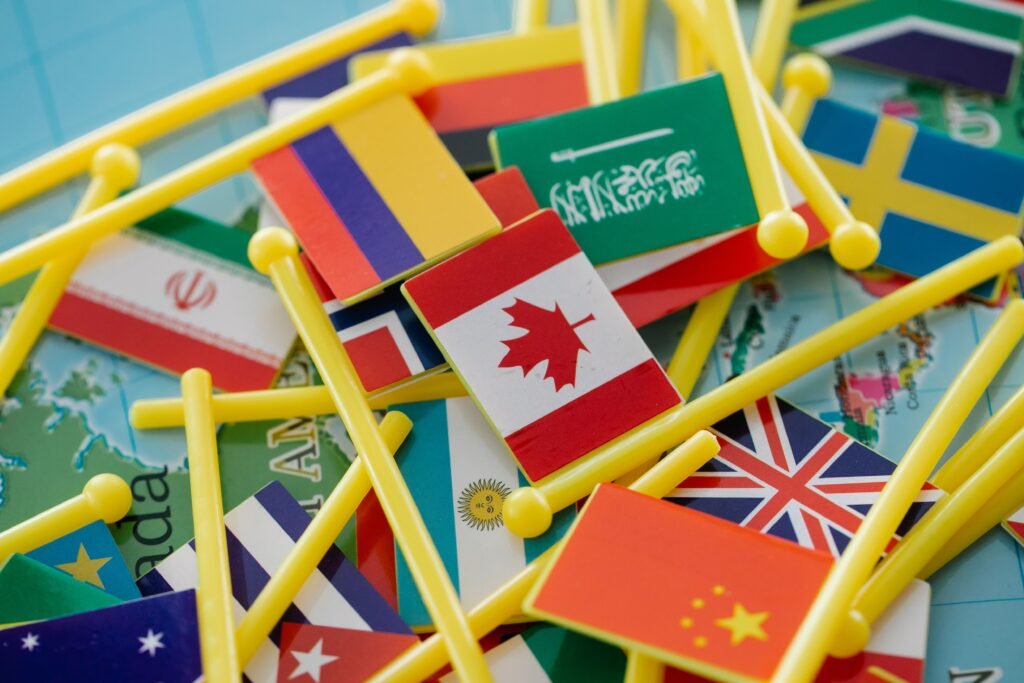
✍️ Benefits of Learning ‘Foreign’ Language(s) Personally & Professionally
In today’s interconnected world, learning a foreign language is no longer just a hobby—it is a valuable life skill that opens doors to countless personal and professional opportunities. Whether you choose to learn Spanish, French, Arabic, Mandarin, Japanese, German, or any other language, every new word you master expands your understanding of the world. Language is much more than vocabulary and grammar; it is a bridge that connects people, cultures, traditions, ideas, and emotions.
Many successful professionals, entrepreneurs, educators, travelers, and students have discovered that learning another language enhances their confidence, communication skills, career prospects, and social relationships. It also develops patience, discipline, creativity, and empathy, making individuals more adaptable in today’s multicultural society.
Beyond financial rewards and career advancement, learning foreign languages fills life with excitement and curiosity. It encourages people to appreciate different cultures, make international friendships, and build meaningful relationships based on respect and understanding. Most importantly, it brings happiness because every milestone—from introducing yourself in a new language to holding an entire conversation—creates a wonderful sense of achievement.
Let us explore the many personal and professional benefits of learning foreign languages while spreading enthusiasm, positivity, and happiness.
1. Expands Your Knowledge
Learning another language introduces you to a completely different way of thinking. Every language has unique expressions, traditions, and perspectives that enrich your understanding of humanity.
As your knowledge grows, you become more open-minded, intellectually curious, and capable of appreciating diverse viewpoints.
2. Improves Memory and Brain Function
Learning vocabulary, grammar rules, sentence structures, and pronunciation exercises your brain regularly.
Research has shown that language learners often develop:
- Better memory
- Stronger concentration
- Improved problem-solving skills
- Faster decision-making
- Greater mental flexibility
Keeping your brain active contributes to lifelong cognitive health.
3. Builds Self-Confidence
Speaking your first few sentences in a foreign language may feel challenging, but every successful conversation boosts confidence.
Each achievement reminds you that consistent effort leads to progress.
Confidence gained through language learning often extends into other areas of life such as public speaking, presentations, interviews, and leadership.
4. Creates Better Career Opportunities
Many employers value multilingual employees because businesses increasingly serve international customers.
Knowing another language can help you work in:
- International companies
- Tourism
- Hospitality
- Airlines
- Healthcare
- Education
- Translation
- Diplomacy
- Import-export businesses
- Customer service
- Marketing
Being bilingual or multilingual gives you a competitive advantage in today’s global job market.
5. Increases Earning Potential
Employees who communicate with international clients often qualify for better positions and higher salaries.
Companies appreciate professionals who reduce communication barriers and help expand global business relationships.
Learning another language becomes a long-term investment in your career.
6. Makes Traveling More Enjoyable
Travel becomes far more rewarding when you understand the local language.
Simple conversations allow you to:
- Ask for directions
- Order food confidently
- Learn local customs
- Meet local residents
- Handle emergencies
- Discover hidden attractions
Traveling becomes less stressful and much more memorable.
7. Encourages Cultural Appreciation
Every language carries centuries of history, traditions, literature, music, and values.
Learning another language teaches respect for cultural diversity and encourages peaceful interactions between people from different backgrounds.
This understanding promotes harmony in multicultural societies.
8. Strengthens Communication Skills
Learning another language also improves communication in your native language.
You become more aware of:
- Sentence construction
- Vocabulary choices
- Listening carefully
- Speaking clearly
- Expressing ideas effectively
These skills benefit both personal and professional relationships.
9. Develops Patience and Discipline
Language learning requires consistent practice.
Instead of expecting instant results, learners gradually improve through daily effort.
This teaches valuable life lessons:
- Patience
- Persistence
- Self-discipline
- Time management
- Determination
These qualities support success in every field.
10. Helps Build International Friendships
Modern technology makes it easy to connect with people worldwide.
Knowing another language allows you to communicate with international friends through:
- Video calls
- Social media
- Language exchange communities
- Online classes
- Educational programs
These friendships broaden your perspective and create lifelong memories.
11. Increases Confidence During Public Speaking
Presenting ideas in another language strengthens your communication abilities.
As you practice pronunciation and speaking naturally, your confidence grows even when addressing audiences in your native language.
Effective communication often leads to stronger leadership opportunities.
12. Supports Business Growth
Entrepreneurs benefit enormously from foreign language skills.
Business owners can:
- Reach international customers
- Negotiate effectively
- Build trust
- Understand cultural expectations
- Expand into overseas markets
Successful communication often creates stronger business partnerships.
13. Improves Listening Skills
Learning another language requires active listening.
You become more attentive to:
- Tone
- Pronunciation
- Context
- Emotions
- Meaning
These listening habits improve relationships with family, friends, colleagues, and clients.
14. Encourages Lifelong Learning
Learning languages often inspires curiosity about other subjects such as:
- Geography
- History
- Literature
- Economics
- Politics
- Science
- Music
- Art
Your enthusiasm for learning continues throughout life.
15. Enhances Emotional Intelligence
Understanding different cultures helps you recognize emotions, customs, and communication styles more effectively.
You become more empathetic and respectful toward others.
This emotional intelligence strengthens teamwork and friendships.
16. Reduces Fear of New Experiences
Every language learner becomes comfortable making mistakes.
Instead of fearing embarrassment, learners accept challenges as opportunities for growth.
This positive mindset encourages confidence in many aspects of life.
17. Improves Academic Performance
Students who study foreign languages often develop stronger study habits.
Language learning enhances:
- Reading comprehension
- Writing ability
- Critical thinking
- Organization
- Memory retention
These skills contribute to success across multiple academic subjects.
18. Opens Access to Global Information
Many valuable books, documentaries, research papers, and educational resources exist in different languages.
Knowing another language allows you to access information without depending solely on translations.
This expands your learning opportunities considerably.
19. Makes Entertainment More Enjoyable
Watching international movies, listening to foreign music, reading novels, and understanding original dialogues become incredibly rewarding.
You experience stories as they were originally intended by their creators.
Entertainment becomes both educational and enjoyable.
20. Brings Happiness Through Achievement
Every completed lesson, successful conversation, and newly learned phrase creates a sense of accomplishment.
Celebrating these small victories keeps motivation alive and builds lasting happiness.
Progress itself becomes rewarding.
Practical Tips for Learning Foreign Languages Successfully
To enjoy the journey, consider these practical strategies:
Set Realistic Goals
Rather than trying to become fluent immediately, focus on manageable milestones.
For example:
- Learn ten new words daily.
- Practice speaking for fifteen minutes.
- Read one short article weekly.
Small successes maintain enthusiasm.
Practice Every Day
Consistency is far more effective than studying for several hours once a week.
Daily exposure helps vocabulary become permanent.
Listen Frequently
Listen to:
- Podcasts
- Songs
- News
- Interviews
- Audiobooks
Your ears gradually become familiar with pronunciation and natural speech patterns.
Speak Without Fear
Many learners hesitate because they worry about making mistakes.
Remember:
Mistakes are valuable teachers.
Every conversation improves fluency.
Read Simple Materials
Begin with children’s books, short stories, magazines, or simple articles before progressing to advanced texts.
Gradually increase the difficulty level.
Write Regularly
Maintain a language journal where you write:
- Daily routines
- Personal thoughts
- Travel experiences
- Short conversations
Writing reinforces vocabulary and grammar.
Find Language Partners
Speaking with native speakers or fellow learners provides practical experience and builds confidence naturally.
Conversation remains one of the fastest ways to improve.
Use Technology Wisely
Many educational apps, online courses, and language-learning videos provide flexible learning opportunities.
Technology allows learners to practice anytime and anywhere.
Celebrate Small Achievements
Reward yourself whenever you complete lessons or achieve personal milestones.
Positive reinforcement keeps motivation strong throughout the learning journey.
How Foreign Languages Improve Personal Relationships
Language learning teaches respect, patience, and understanding.
People appreciate genuine efforts to communicate in their native language.
This creates stronger relationships by:
- Showing respect
- Building trust
- Reducing misunderstandings
- Encouraging cooperation
- Increasing empathy
- Promoting kindness
Whether meeting neighbors, coworkers, classmates, or travelers, multilingual communication often leads to warmer interactions.
Professional Advantages in Today’s Global Economy
Globalization has transformed modern workplaces.
Companies frequently collaborate with international clients and partners.
Employees who speak multiple languages often contribute by:
- Conducting meetings confidently
- Negotiating agreements
- Supporting international customers
- Translating information
- Managing multicultural teams
- Building overseas partnerships
These contributions improve organizational success while strengthening individual career growth.
Maintaining Enthusiasm Throughout the Learning Journey
Language learning is a marathon rather than a sprint.
Stay enthusiastic by:
- Choosing topics you enjoy.
- Watching movies in your target language.
- Listening to favorite songs.
- Reading about your hobbies.
- Celebrating improvements.
- Speaking regularly.
- Joining language communities.
- Encouraging fellow learners.
Learning becomes enjoyable when connected with your personal interests.
Spreading Happiness Through Multilingual Communication
Language has the power to bring smiles across cultures.
Simple greetings, compliments, and expressions of gratitude in someone’s native language often create immediate warmth.
People feel respected and valued when others make genuine efforts to communicate with them.

Acts as simple as saying “thank you,” “good morning,” or “how are you?” in another language can brighten someone’s day and strengthen human connections.
These positive interactions contribute to peaceful communities built on mutual understanding.
Conclusion
Learning a foreign language is one of the most rewarding investments you can make in yourself. It strengthens the mind, expands knowledge, builds confidence, improves communication, and creates countless personal and professional opportunities. Beyond career growth, it enriches everyday life by introducing new cultures, lifelong friendships, meaningful travel experiences, and a deeper appreciation for the diversity of our world.
The journey may begin with a few simple words, but with patience, consistency, and enthusiasm, those words grow into conversations, relationships, and opportunities that can transform your future. Every lesson learned represents progress, every conversation builds confidence, and every cultural connection promotes kindness and understanding.
Ultimately, learning foreign languages is not just about speaking differently—it is about thinking more broadly, connecting more deeply, and living more joyfully. By embracing new languages with enthusiasm and sharing your knowledge with others, you create an environment of respect, happiness, and positivity that benefits not only your personal and professional life but also everyone you meet along the way.