

🙏 How to Forgive Yourself for the ‘Past Mistakes’: Recover Your Mind and Body
Everyone makes mistakes. Some are small and forgotten within days, while others remain in our hearts for years. We often become our own harshest critics, replaying old memories and wondering, “What if I had done things differently?” Whether a mistake was made intentionally or unintentionally, holding onto guilt forever only prevents personal growth and inner peace.
Self-forgiveness is not about pretending that nothing happened or avoiding responsibility. Instead, it is about accepting what happened, learning valuable lessons, making sincere efforts to repair the damage whenever possible, and choosing to move forward with wisdom. Every experience—good or bad—can become a steppingstone toward becoming a kinder, stronger, and wiser person.
Forgiving yourself allows your mind to heal, your body to relax, and your heart to welcome hope once again. Life is happening in the present moment, not in yesterday’s regrets. The sooner you embrace this truth, the sooner you can begin living with enthusiasm, confidence, and happiness.
Understanding Why We Hold onto Past Mistakes
Many people carry emotional burdens because they believe they deserve endless punishment for what happened. They repeatedly relive painful memories, which affects their confidence, relationships, health, and overall quality of life.
Common reasons people struggle to forgive themselves include:
- Fear of repeating the mistake.
- Feeling guilty for hurting someone.
- Embarrassment about poor decisions.
- Regret over missed opportunities.
- Comparing themselves with others.
- Believing they are “not good enough.”
Although these feelings are natural, staying trapped in them serves no positive purpose. Instead, learning from mistakes helps us grow into better individuals.
Accept That Mistakes Are Part of Being Human
Nobody is perfect.
Successful entrepreneurs lose businesses.
Students fail examinations.
Parents sometimes make wrong decisions.
Friends misunderstand one another.
Professionals make costly errors.
Even the world’s greatest inventors, scientists, artists, and leaders experienced failures before achieving success.
Mistakes do not define your character.
Your response to those mistakes defines who you become.
Accepting imperfection allows you to replace shame with personal growth.
Separate Your Identity from Your Actions
One of the healthiest ways to forgive yourself is understanding the difference between:
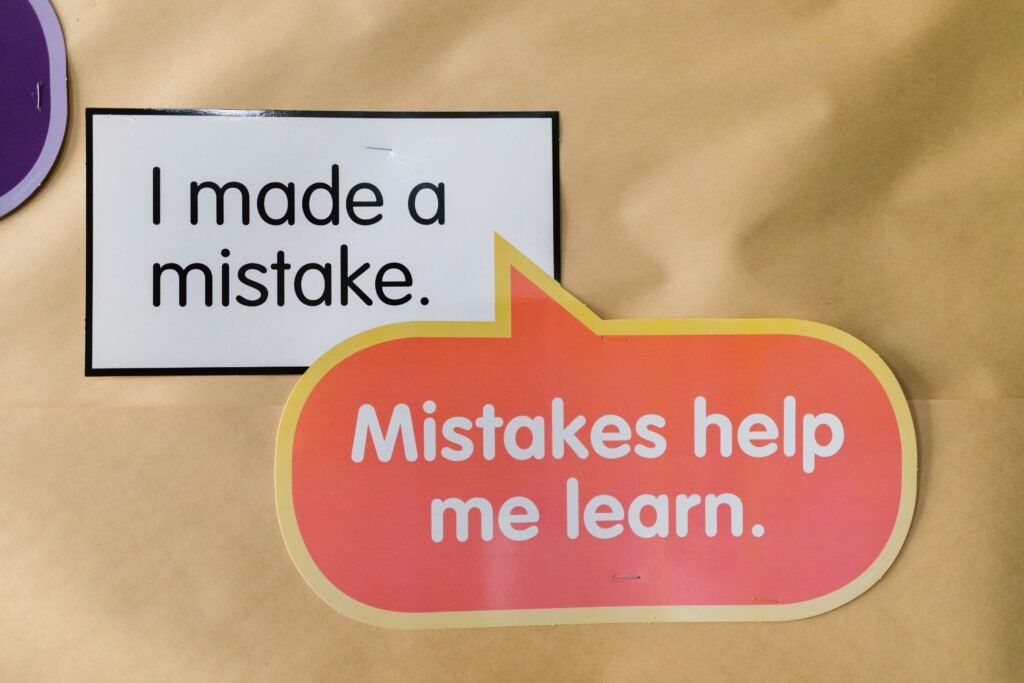
“I made a mistake.”
and
“I am a mistake.”
These are completely different statements.
A poor decision does not make you a bad person.
One failure does not make you a failure.
One wrong choice does not erase years of kindness, honesty, and hard work.
Treat yourself with the same compassion you would offer a close friend facing similar circumstances.
Learn the Lesson Hidden Inside Every Mistake
Every mistake contains an important lesson.
Ask yourself:
- What exactly happened?
- Why did it happen?
- What can I learn?
- What can I do differently next time?
- How has this experience made me wiser?
Instead of allowing guilt to consume you, let wisdom replace regret.
Growth always begins with honest reflection.
Admit Your Mistake Honestly
Healing begins with honesty.
If your mistake affected someone else, acknowledge it sincerely.
Avoid making excuses.
Accept responsibility with maturity.
People respect honesty far more than denial.
Owning your actions demonstrates courage, integrity, and emotional strength.
Apologize Sincerely When Necessary
If your actions hurt another person, a heartfelt apology can begin the healing process.
A meaningful apology includes:
- Accepting responsibility.
- Expressing genuine regret.
- Avoiding excuses.
- Asking for forgiveness respectfully.
- Promising positive change.
- Following your words with better actions.
Even if someone chooses not to forgive you immediately, your sincere effort reflects personal growth.
Make Amends Whenever Possible
Words matter, but actions matter even more.
If possible, repair the damage.
Examples include:
- Returning borrowed money.
- Rebuilding broken trust.
- Correcting misinformation.
- Helping someone you unintentionally harmed.
- Supporting a person during difficult times.
- Fulfilling promises that were previously broken.
Making amends transforms guilt into meaningful action.
Understand Intentional and Unintentional Mistakes
Unintentional Mistakes
Sometimes mistakes happen because of:
- Lack of knowledge.
- Poor communication.
- Misunderstanding.
- Inexperience.
- Human error.
Learn from them without unnecessary self-punishment.
Intentional Mistakes
Sometimes emotions like anger, jealousy, greed, or impatience lead us toward poor decisions.
These require deeper reflection.
Ask yourself:
“What weakness inside me led to this decision?”
Recognizing the root cause helps prevent repeating similar mistakes.
Stop Punishing Yourself Forever
Many people silently punish themselves by:
- Losing confidence.
- Avoiding happiness.
- Rejecting opportunities.
- Feeling unworthy.
- Constantly criticizing themselves.
But endless punishment never changes the past.
Growth changes the future.
Replace self-condemnation with self-improvement.
Practice Positive Self-Talk
Your inner voice influences your emotional well-being.
Instead of saying:
“I always fail.”
Say:
“I am learning every day.”
Instead of:
“I ruined everything.”
Say:
“I cannot change yesterday, but I can improve tomorrow.”
Gentle words gradually reshape your thinking.
Write Down Your Feelings
Journaling helps organize emotional thoughts.
Write honestly about:
- What happened.
- How you feel.
- What you learned.
- What you hope for.
- How you will move forward.
Writing often releases emotional pressure that has built up over time.
Recover Your Mind After Past Mistakes
Mental healing requires consistent effort.
Helpful practices include:
Meditation
Even ten peaceful minutes each day can calm racing thoughts.
Deep Breathing
Slow breathing lowers stress and anxiety.
Reading Inspirational Books
Positive stories remind us that everyone faces setbacks.
Gratitude Practice
Focus on blessings instead of only regrets.
Spending Time in Nature
Fresh air, trees, sunshine, and quiet surroundings naturally relax the mind.
Talking to Trusted People
Sharing your feelings with supportive family members or close friends reduces emotional burdens.
Recover Your Body from Emotional Stress
Emotional pain often affects physical health.
Common symptoms include:
- Fatigue.
- Headaches.
- Muscle tension.
- Poor sleep.
- Low energy.
- Digestive discomfort.
Healthy habits promote physical recovery.
Exercise Regularly
Walking, cycling, swimming, yoga, or stretching release endorphins that improve mood.
Eat Nutritious Food
A balanced diet supports brain function and emotional stability.
Sleep Well
Quality sleep helps your brain process emotions and recover.
Drink Enough Water
Hydration improves concentration and energy.
Reduce Excessive Screen Time
Constant online comparison often increases guilt and stress.
Let Go of Perfectionism
Perfectionism creates unrealistic expectations.
Healthy people understand that:
- Progress matters more than perfection.
- Improvement matters more than flawless performance.
- Consistency beats occasional excellence.
Allow yourself permission to be imperfect.
Replace Regret with Purpose
Instead of repeatedly thinking:
“I wish I had…”
Start asking:
“What meaningful action can I take today?”
Purpose shifts attention away from regret and toward contribution.
Volunteer.
Help your community.
Support your family.
Teach someone.
Share your experience to help others avoid similar mistakes.
Your past can become someone else’s valuable lesson.
Build Better Daily Habits
Small daily improvements gradually rebuild confidence.
Healthy habits include:
- Waking up early.
- Planning your day.
- Exercising.
- Reading regularly.
- Learning new skills.
- Managing time wisely.
- Speaking kindly.
- Keeping promises.
Each positive habit reminds you that you are becoming a better version of yourself.
Stop Comparing Your Journey
Social media often shows only people’s successes.
Very few people share:
- Their failures.
- Their fears.
- Their regrets.
- Their disappointments.
Everyone struggles privately.
Focus on becoming better than your previous self rather than comparing yourself with others.
Practice Mindfulness
Mindfulness means living fully in the present moment.
Instead of dwelling on yesterday, notice:
- The fresh morning air.
- The smile of a loved one.
- A peaceful conversation.
- Your breathing.
- The opportunity to begin again today.
Life becomes richer when experienced in the present.
Develop Emotional Resilience
Resilient people recover more quickly from setbacks.
Ways to strengthen resilience include:
- Accepting challenges.
- Staying optimistic.
- Solving problems calmly.
- Learning continuously.
- Asking for help when needed.
- Celebrating small victories.
Every challenge strengthens emotional muscles.
Forgive Yourself Every Day
Self-forgiveness is often a daily practice rather than a one-time event.
Each morning remind yourself:
“I choose growth.”
“I choose kindness.”
“I choose hope.”
“I choose to become better.”
These simple affirmations gradually transform your mindset.
Encourage Healthy Relationships
Past mistakes sometimes isolate people from others.
Reconnect through:
- Honest communication.
- Active listening.
- Respect.
- Patience.
- Compassion.
- Trust-building actions.
Strong relationships provide emotional support during healing.
Turn Pain into Personal Growth
Many people discover their greatest strengths after difficult experiences.
Someone who experienced financial mistakes may become an excellent financial planner.
Someone who struggled academically may become an inspiring teacher.
Someone who overcame addiction may help others recover.
Pain often creates wisdom that cannot be learned from comfort alone.
Celebrate Small Improvements
Notice your progress.
Perhaps today:
- You smiled more.
- You apologized sincerely.
- You exercised.
- You forgave yourself a little more.
- You worried less.
- You helped someone.
Every small improvement deserves appreciation.
Small victories eventually create remarkable transformations.
A Practical Daily Recovery Plan
Morning:
- Wake up with gratitude.
- Stretch or exercise for 20 minutes.
- Repeat positive affirmations.
- Eat a healthy breakfast.
Afternoon:
- Focus on productive work.
- Practice kindness toward others.
- Stay hydrated.
- Take short mental breaks.
Evening:
- Reflect on one lesson learned.
- Write three positive things about your day.
- Read an inspiring book.
- Sleep early.
Following this routine consistently helps both the mind and body recover from emotional burdens.
Inspiring Real-Life Example

Imagine a young businessman who made poor financial decisions during his early career. His mistakes caused debt, disappointment, and embarrassment. For months, he blamed himself and withdrew from friends and family.
Eventually, he accepted responsibility, apologized to those he had affected, created a repayment plan, sought advice from experienced mentors, improved his financial knowledge, and worked diligently. Years later, he not only rebuilt his career but also began teaching financial literacy to young entrepreneurs so they could avoid similar mistakes.
His greatest failure became the foundation of his greatest contribution.
The same transformation is possible for anyone willing to learn rather than remain trapped by regret.
Final Thoughts
Forgiving yourself for past mistakes is one of the greatest gifts you can give yourself. It frees your mind from constant regret, restores emotional balance, improves physical well-being, and opens the door to a brighter future. Whether your mistakes were intentional or unintentional, they do not have to define the rest of your life.
Take responsibility with honesty, apologize sincerely where needed, make amends whenever possible, and allow your actions—not your regrets—to shape your future. Every new day is an opportunity to make wiser choices, strengthen your character, and inspire others through your growth.
Remember that life is not measured by how many mistakes you made, but by how courageously you learned from them. When you forgive yourself, you create space for hope, happiness, enthusiasm, and lasting peace. The past cannot be rewritten, but today offers a fresh beginning. Choose to embrace it with confidence, gratitude, and a heart committed to continual growth.