

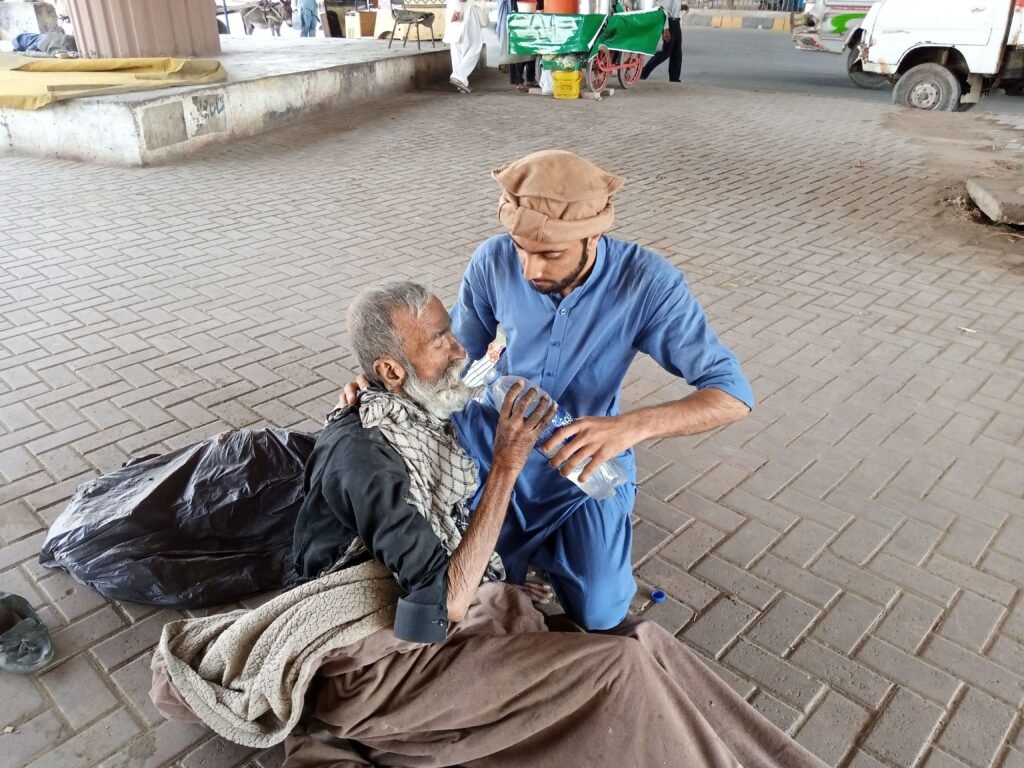
🪻 Reasons Why ‘Kindness’ Matters Most to Your Loved Ones & Helps Solve Life’s Serious Issues
Kindness is one of the most valuable qualities a person can possess. It costs nothing to offer, yet its impact can be priceless. In a fast-paced world where people often face stress, uncertainty, and personal challenges, a simple act of kindness can brighten someone’s day, restore hope, and strengthen relationships. Whether expressed through encouraging words, thoughtful actions, patience, or understanding, kindness has the power to transform lives.

Kindness is not a sign of weakness; rather, it reflects emotional strength, maturity, and compassion. It creates an atmosphere of trust within families, builds lasting friendships, and encourages cooperation within communities. When loved ones know they are treated with genuine care and respect, they feel safe, valued, and appreciated. These positive emotions contribute to stronger relationships and healthier communication.
Beyond personal relationships, kindness also plays an important role in solving life’s serious issues. Many conflicts arise because of misunderstandings, impatience, or harsh communication. Responding with empathy instead of anger often opens the door to peaceful solutions. Kindness helps people listen more carefully, forgive more easily, and work together toward common goals.
Practicing kindness also supports self-growth. It develops emotional intelligence, strengthens character, reduces negative thinking, and encourages gratitude. As people become kinder, they often discover greater happiness, improved confidence, and a stronger sense of purpose.
The following reasons explain why kindness matters deeply to your loved ones and why it remains one of the greatest qualities for creating a positive society and a fulfilling life.
1. Kindness Strengthens Family Relationships
Families flourish when kindness becomes a daily habit. Simple gestures such as listening patiently, expressing appreciation, offering help, and speaking respectfully make every family member feel loved and valued.
Acts of kindness reduce tension within the home and encourage open communication. A kind environment allows everyone to express their feelings without fear of criticism. Over time, these positive interactions build stronger emotional bonds and create lasting memories.
2. It Builds Trust Among Loved Ones
Trust develops when people consistently experience kindness and honesty. Loved ones naturally feel more comfortable sharing their thoughts and concerns with someone who listens without judgment.
Kindness demonstrates reliability, compassion, and genuine care. These qualities strengthen trust, making relationships more resilient during difficult times.
3. Kindness Reduces Conflicts
Many disagreements escalate because people react with anger or impatience. Kindness encourages individuals to pause, listen, and respond thoughtfully.
Choosing respectful words instead of hurtful ones often prevents small misunderstandings from becoming major conflicts. Even when opinions differ, kindness helps preserve mutual respect.
4. It Encourages Better Communication
Kind communication creates opportunities for honest conversations. People are more willing to share their experiences when they feel respected and understood.
Using gentle words, maintaining eye contact, and listening actively all demonstrate kindness. These habits improve communication and strengthen personal relationships.
5. Kindness Offers Emotional Support
Everyone experiences difficult moments. A kind friend or family member can make challenging situations easier to face by offering encouragement, understanding, and practical support.
Sometimes, simply being present and listening attentively provides more comfort than offering solutions.
6. It Promotes Forgiveness
No relationship is perfect. Mistakes happen, misunderstandings occur, and emotions sometimes run high.
Kindness encourages forgiveness by helping people see situations from another person’s perspective. Forgiveness does not erase the past, but it creates opportunities for healing and renewed trust.
7. Kindness Inspires Positive Behavior
Acts of kindness often inspire others to behave similarly. When people experience generosity and compassion, they are more likely to extend those qualities to others.
This positive cycle strengthens families, workplaces, schools, and communities.
8. It Creates a Peaceful Home Environment
Homes filled with kindness become places of comfort and security. Family members feel appreciated, respected, and emotionally supported.
Simple habits such as saying “thank you,” offering compliments, helping with household responsibilities, and celebrating each other’s achievements contribute to a harmonious atmosphere.
9. Kindness Helps Solve Serious Life Challenges
Life inevitably brings obstacles such as financial difficulties, health concerns, career setbacks, or family disagreements.
Kindness encourages cooperation during these times. Instead of blaming one another, kind individuals work together, share responsibilities, and provide emotional encouragement.
Problems become easier to manage when people face them as a united team.
10. It Strengthens Friendships
Strong friendships are built on trust, respect, and kindness.
Reliable friends celebrate successes, offer comfort during setbacks, and remain supportive through life’s changes. Kindness ensures that friendships remain meaningful and long-lasting.
11. Kindness Reduces Stress
Helping others often creates positive emotions for both the giver and the receiver.
Acts of kindness can reduce stress by shifting attention away from personal worries and encouraging gratitude. Positive interactions also contribute to a calmer emotional state.
12. It Improves Self-Confidence
Kind people often develop greater confidence because they know their actions positively influence others.
Helping someone overcome a challenge or offering encouragement reinforces a sense of purpose and personal value.
Confidence built through kindness is grounded in character rather than appearance or status.
13. Kindness Encourages Gratitude
When kindness becomes a daily habit, people begin noticing the goodness around them.
Expressing gratitude for supportive family members, loyal friends, helpful neighbors, and everyday blessings fosters a more optimistic outlook on life.
Gratitude and kindness naturally reinforce one another.
14. It Builds Emotional Intelligence
Kindness requires understanding another person’s emotions and responding with empathy.
Practicing empathy improves emotional intelligence by strengthening skills such as:
- Active listening
- Patience
- Self-awareness
- Compassion
- Respect
- Conflict resolution
These abilities benefit every area of life.
15. Kindness Creates Positive Role Models
Children learn more from actions than words.
Adults who consistently demonstrate kindness teach younger generations the importance of respect, generosity, honesty, and compassion.
These lessons shape future citizens who contribute positively to society.
16. It Encourages Teamwork
Whether at home, school, or work, kindness improves cooperation.
Supportive team members encourage one another, share ideas respectfully, and solve problems together.
Positive teamwork leads to stronger relationships and better outcomes.
17. Kindness Promotes Inclusiveness
Kind individuals welcome others regardless of differences in background, age, or ability.
An inclusive attitude helps everyone feel accepted and valued, creating stronger and more united communities.
18. It Helps Heal Emotional Wounds
Kindness cannot erase painful experiences, but it can provide comfort during difficult times.
Gentle encouragement, patient listening, and sincere understanding often help people regain hope and confidence.
Supportive relationships become powerful sources of healing.
19. Kindness Encourages Lifelong Learning
Kind people remain open to learning from others.
Respectful conversations introduce new ideas, broaden perspectives, and encourage continuous personal development.
Learning with humility strengthens both knowledge and character.
20. It Builds a Positive Reputation
People naturally remember those who consistently treat others with kindness.
A positive reputation develops through:
- Honesty
- Respect
- Generosity
- Reliability
- Compassion
Such qualities earn lasting admiration far more than wealth or popularity alone.
21. Kindness Promotes Self-Growth
Personal growth involves becoming a better version of yourself.
Kindness nurtures qualities such as:
- Patience
- Humility
- Integrity
- Responsibility
- Generosity
- Compassion
Each act of kindness strengthens these character traits and contributes to lifelong development.
22. It Encourages Better Decision-Making
Kind individuals often consider how their choices affect others.
This thoughtful approach leads to more responsible decisions that benefit families, friendships, workplaces, and communities.
Considering both logic and compassion often produces balanced solutions.
23. Kindness Creates Positive Communities
Communities thrive when people support one another.
Volunteering, helping neighbors, mentoring young people, and participating in community projects all reflect kindness in action.
These efforts strengthen social connections and encourage mutual respect.
24. Kindness Inspires Hope
Even small gestures can restore hope during challenging times.
A sincere compliment, thoughtful message, or helping hand reminds people that they are not alone.
Hope encourages resilience and motivates individuals to keep moving forward.
25. Kindness Leaves a Lasting Legacy
Achievements and possessions may fade over time, but the kindness we show others is often remembered for years.
People rarely forget those who supported them during difficult moments or celebrated their successes with genuine happiness.
A legacy of kindness continues through the positive influence it has on future generations.
Simple Ways to Practice Kindness Every Day
Kindness can be expressed through everyday actions, including:
- Smile warmly at others.
- Listen without interrupting.
- Offer genuine compliments.
- Help someone with daily tasks.
- Thank people sincerely.
- Encourage those facing difficulties.
- Respect different opinions.
- Share knowledge generously.
- Volunteer in community activities.
- Forgive small mistakes.
- Speak politely, even during disagreements.
- Celebrate others’ achievements.
- Show patience during stressful situations.
- Support family members emotionally.
- Be dependable and honest.
These simple habits require little effort but create meaningful positive change.
The Ripple Effect of Kindness
Kindness has a remarkable ripple effect. One thoughtful action often inspires another, creating a chain of goodwill that extends far beyond the original gesture.
For example, encouraging a friend may inspire them to help a colleague, who then supports a neighbor, who in turn offers assistance to someone else. In this way, kindness spreads through families, workplaces, schools, and entire communities.
Every positive action contributes to a more caring and compassionate society.
Conclusion
Kindness is one of life’s greatest strengths because it nurtures relationships, promotes understanding, and encourages lasting personal growth. It brings families closer together, strengthens friendships, eases conflicts, and provides comfort during life’s most difficult moments. By responding with compassion instead of anger, patience instead of frustration, and encouragement instead of criticism, we create an environment where people feel respected, valued, and supported.
Beyond improving individual relationships, kindness helps build stronger communities founded on trust, cooperation, and mutual respect. It inspires others to act with generosity, creating a ripple effect that spreads positivity throughout society. At the same time, practicing kindness develops important qualities such as empathy, humility, gratitude, resilience, and emotional intelligence—traits that contribute to lifelong self-improvement.
Ultimately, kindness is not measured by grand gestures but by the consistent choice to treat others with dignity and compassion. Every thoughtful word, helpful action, and caring response has the potential to make someone’s life a little brighter. By making kindness a daily habit, we enrich not only the lives of our loved ones but also our own, leaving behind a legacy of hope, respect, and genuine human connection.

Pingback: Meaning of Pink Color: Love, Care & Everyday Beauty