

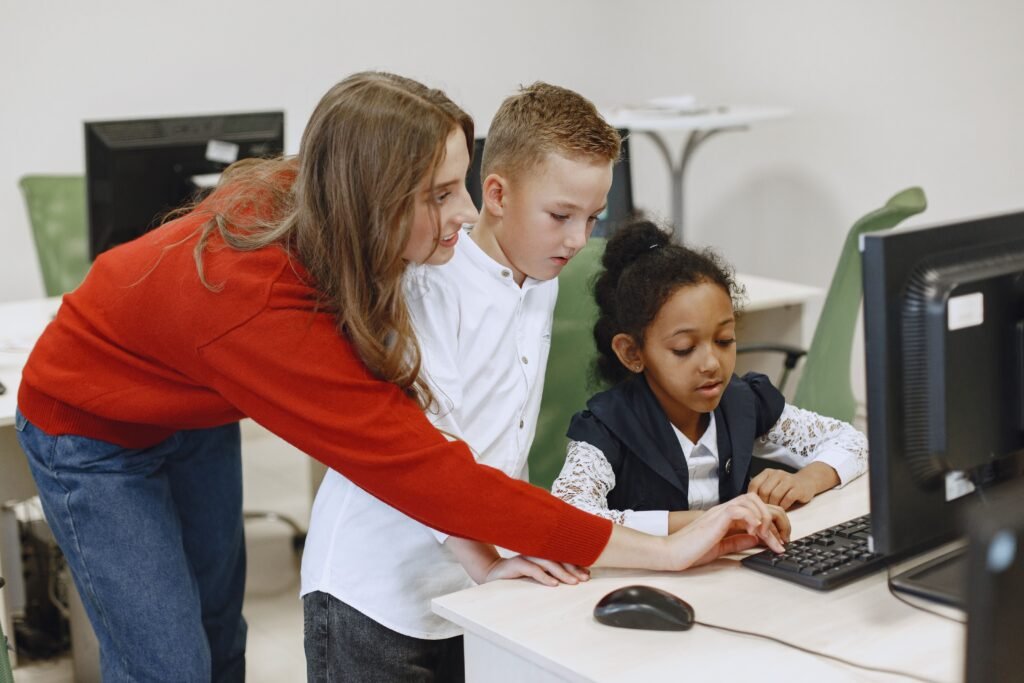
🖥️ ‘Computer’ Knowledge Is Highly Essential for Personal Growth, Keeping Up with Today’s World!
In today’s fast-moving digital world, computer knowledge is no longer an optional skill—it has become a necessity. Whether you are a student, teacher, employee, entrepreneur, homemaker, or retiree, understanding how to use a computer can make life easier, more productive, and full of opportunities. Computers have transformed nearly every aspect of our daily lives, from communication and education to shopping, banking, healthcare, and business.
Technology continues to evolve at a rapid pace, and people who develop computer skills are better prepared to adapt to these changes. Basic computer knowledge enables individuals to complete everyday tasks efficiently, access valuable information, improve career prospects, and connect with people around the world. For business owners, computer literacy opens the door to online marketing, digital sales, customer management, and improved productivity.
Learning computer skills is not limited to young people. Individuals of all ages can benefit from becoming familiar with technology. With dedication and practice, anyone can learn how to use computers confidently and enjoy the many advantages they offer.
Why Computer Knowledge Matters Today
Modern society depends heavily on technology. Almost every profession now requires at least basic computer skills. Schools use digital learning platforms, companies manage information electronically, hospitals maintain digital patient records, and governments increasingly provide online services.
Understanding computers helps people stay connected with these developments instead of being left behind. Even simple skills like creating documents, sending emails, browsing the internet, or joining online meetings can greatly improve both personal and professional life.
Being comfortable with computers also increases confidence when facing new technology. Instead of feeling overwhelmed, people with digital skills are more willing to learn and adapt.
Computers Support Personal Growth
Personal growth means continuously improving your knowledge, abilities, confidence, and understanding of the world. Computers provide countless opportunities for self-improvement.
People can use computers to:
- Learn new languages
- Watch educational videos
- Read digital books
- Take online courses
- Practice creative hobbies
- Improve writing skills
- Learn graphic design
- Study photography
- Explore music production
- Develop programming skills
Every new skill acquired through a computer contributes to long-term personal development.
Learning no longer depends entirely on classrooms. Anyone with determination and internet access can study almost any subject from the comfort of home.
Improving Educational Opportunities
Computers have revolutionized education. Students can access thousands of learning resources that were once available only in libraries or educational institutions.
Educational benefits include:
- Online classes
- Research materials
- Digital textbooks
- Interactive learning tools
- Practice quizzes
- Educational games
- Virtual laboratories
- Language-learning applications
- Video tutorials
- Academic discussions
Students who understand computers often complete assignments more efficiently and gain valuable research skills that prepare them for higher education and future careers.
Teachers also benefit by preparing engaging presentations, organizing lesson plans, communicating with parents, and accessing updated teaching resources.
Better Career Opportunities
One of the strongest reasons to learn computer skills is career advancement.
Many employers expect candidates to know how to use common software programs, communicate through email, prepare reports, and work with digital information.
Computer knowledge enhances employment opportunities in fields such as:
- Education
- Healthcare
- Banking
- Engineering
- Marketing
- Administration
- Finance
- Customer service
- Graphic design
- Information technology
Employees who continue learning new digital skills often become more valuable to their organizations and may qualify for promotions or higher-paying positions.
Enhancing Communication
Computers have made communication faster and more convenient than ever before.
People can communicate through:
- Video conferencing
- Instant messaging
- Social media
- Online communities
- Professional networking platforms
Families living in different countries can stay connected through video calls, while businesses can communicate instantly with clients, suppliers, and employees around the world.
Good communication strengthens both personal relationships and professional success.
Managing Everyday Tasks Efficiently
Computers simplify many routine activities that once required considerable time and effort.
Common tasks include:
- Paying utility bills
- Online banking
- Shopping
- Booking travel
- Managing calendars
- Creating budgets
- Writing letters
- Printing documents
- Organizing photographs
- Storing important files
These conveniences save time, reduce paperwork, and help people stay organized.
Building Creativity
Computers are excellent tools for creative expression.
Creative individuals can design logos, edit photographs, create videos, write books, compose music, develop animations, and produce digital artwork.
Popular creative activities include:
- Graphic design
- Video editing
- Blogging
- Digital illustration
- Website design
- Content creation
- Podcast production
- Photography editing
- Presentation design
- Creative writing
Technology provides endless opportunities to turn imagination into reality while also developing valuable professional skills.
Growing Your Business
Computer knowledge is especially valuable for entrepreneurs and business owners.
Businesses today rely heavily on digital technology to operate efficiently and remain competitive.
Computers help businesses:
- Manage customer records
- Track inventory
- Prepare invoices
- Maintain financial accounts
- Communicate with clients
- Create marketing materials
- Analyze business performance
- Organize schedules
- Conduct online meetings
- Improve customer service
Small businesses that embrace technology often save time, reduce costs, and increase productivity.
Reaching Customers Online
The internet has transformed the way businesses connect with customers.
A business can now reach local, national, and international audiences through digital platforms. By using computers, entrepreneurs can create websites, manage online stores, publish valuable content, and interact with customers through social media.
Even a small home-based business can compete with larger companies by maintaining a strong online presence and delivering excellent customer service.
Digital marketing allows businesses to showcase products, announce promotions, collect customer feedback, and build lasting relationships with their audience.
Improving Productivity
Computers automate many repetitive tasks that would otherwise consume valuable time.
Using spreadsheets, word processors, presentation software, and project management tools allows individuals and businesses to work more efficiently.
Instead of spending hours organizing paperwork manually, digital systems simplify record keeping and improve accuracy.
Greater productivity means more time for innovation, customer satisfaction, and business growth.
Exploring Online Business Opportunities
One of the greatest advantages of computer knowledge is the opportunity to earn income online. The internet has created countless possibilities for individuals to work from home, start businesses with relatively low investment, and reach customers worldwide.
Some popular online opportunities include:
- Freelance writing
- Graphic design
- Video editing
- Web design
- Virtual assistance
- Online tutoring
- Content creation
- Affiliate marketing
- E-commerce
- Digital marketing
With the right computer skills, determination, and continuous learning, many people have transformed part-time online work into successful full-time careers.
Digital Marketing Helps Businesses Grow
Digital marketing has become one of the most powerful tools for business growth. Businesses no longer depend only on newspaper advertisements or printed brochures. Instead, they can connect directly with potential customers through digital platforms.
Computer knowledge enables business owners to:
- Create engaging social media posts
- Design promotional graphics
- Write blog articles
- Send email newsletters
- Analyze customer behavior
- Track advertising performance
- Improve search engine visibility
- Build customer trust
Effective digital marketing helps businesses increase brand awareness, attract new customers, and strengthen relationships with existing ones.
Supporting Remote Work
The modern workplace has changed significantly. Many organizations now offer remote or hybrid work arrangements, allowing employees to work from home using computers and internet connections.
Remote work requires skills such as:
- Video conferencing
- Online collaboration
- File sharing
- Cloud storage
- Digital communication
- Project management
Individuals with strong computer knowledge are better prepared to succeed in flexible work environments while maintaining productivity and professionalism.
Financial Management Made Easier
Computers simplify personal and business financial management.
Individuals can use digital tools to:
- Track expenses
- Prepare budgets
- Monitor savings
- Record income
- Manage investments
- Organize tax documents
Business owners can generate invoices, monitor cash flow, calculate profits, and maintain accurate financial records more efficiently than using traditional paper systems.
Accurate financial management contributes to better decision-making and long-term stability.
The Importance of Cybersecurity
As technology becomes more important, protecting personal and business information also becomes essential.
Basic computer knowledge should include understanding online safety.
Good cybersecurity habits include:
- Creating strong passwords
- Using two-factor authentication
- Updating software regularly
- Avoiding suspicious links
- Recognizing phishing emails
- Backing up important files
- Installing trusted security software
- Protecting personal information online
These simple practices reduce the risk of cyberattacks and help safeguard valuable data.
Lifelong Learning Through Technology
Technology changes constantly, making lifelong learning more important than ever.
Computers allow people to continue developing their knowledge throughout life. Whether someone wants to learn photography, coding, cooking, business management, public speaking, or a foreign language, thousands of educational resources are available online.
Continuous learning keeps the mind active, improves confidence, and creates new personal and professional opportunities.
Those who embrace lifelong learning often adapt more easily to workplace changes and technological advancements.
Essential Computer Skills Everyone Should Learn
While advanced technical skills are valuable, every individual should aim to master a strong foundation of computer knowledge.
Important skills include:
- Typing efficiently
- Using word-processing software
- Creating spreadsheets
- Designing presentations
- Sending professional emails
- Browsing the internet safely
- Organizing digital files
- Using cloud storage
- Participating in online meetings
- Performing basic troubleshooting
These everyday skills improve productivity and prepare individuals for a wide variety of educational and career opportunities.
Computers Encourage Innovation
Innovation begins with curiosity and creativity. Computers provide tools that help people transform ideas into practical solutions.
Entrepreneurs can develop business plans, designers can create digital products, writers can publish books, educators can prepare engaging lessons, and artists can share their work with audiences around the world.
Technology removes many traditional barriers and allows individuals to reach wider audiences than ever before.
Innovation often starts with a single idea supported by the right digital skills.
Developing Confidence
Learning something new naturally increases self-confidence.
Many people initially feel nervous about using computers, but regular practice gradually removes fear and builds competence.
Successfully completing tasks such as writing documents, creating presentations, editing photographs, or managing online transactions provides a strong sense of achievement.
Confidence gained through computer literacy often encourages individuals to explore additional technologies and pursue new goals.
Helping Children Prepare for the Future
Children growing up today will enter workplaces that depend heavily on digital technology.
Introducing computer knowledge from an early age helps children develop:
- Critical thinking
- Research skills
- Digital responsibility
- Creativity
- Collaboration
- Communication
- Problem-solving
- Information literacy
Parents and educators play an important role in guiding children toward responsible, balanced, and productive use of technology.
Practical Tips to Improve Your Computer Knowledge
If you are just beginning your digital learning journey, these simple steps can help:
- Practice using your computer every day.
- Learn keyboard shortcuts to work faster.
- Explore new software one feature at a time.
- Take free online courses.
- Watch educational tutorials.
- Organize your files into clearly labeled folders.
- Back up important documents regularly.
- Stay informed about new technology trends.
- Ask questions whenever you need help.
- Be patient with yourself and celebrate every improvement.
Remember that becoming confident with computers is a gradual process. Small daily efforts lead to lasting progress.
Conclusion
Computer knowledge has become one of the most valuable life skills in the modern world. It empowers individuals to communicate effectively, continue learning, manage everyday responsibilities, pursue rewarding careers, and adapt confidently to an increasingly digital society. Whether you are a student, employee, entrepreneur, or retiree, understanding computers opens doors to opportunities that were once difficult to access.
For personal growth, computers provide unlimited access to knowledge, educational resources, creative tools, and skill development. They encourage lifelong learning, strengthen confidence, improve productivity, and help individuals remain informed about a rapidly changing world.
For businesses, computer literacy is equally essential. Digital tools simplify daily operations, improve communication, strengthen marketing efforts, enhance customer service, and create opportunities to reach global markets. Businesses that embrace technology are often better positioned to compete, innovate, and grow sustainably.
At the same time, responsible computer use is important. Learning about cybersecurity, protecting personal information, and maintaining a healthy balance between online and offline activities ensures that technology remains a positive force in our lives.
Ultimately, computers are more than machines—they are powerful tools for learning, creating, connecting, and succeeding. By investing time in developing computer knowledge today, you are investing in your future. Whether your goal is personal development, career advancement, academic success, or business growth, computer skills will continue to play a vital role in helping you achieve your ambitions in the digital age.