
🪴Adding ‘Plants’ to Your House Refreshes Your Mind & Well-Being
A home is more than just a place to eat, sleep, and relax. It is a space where we recharge after busy days, spend quality time with loved ones, and create memories that last a lifetime. The environment inside our homes has a powerful influence on our physical health, emotional balance, and overall happiness. One of the simplest and most effective ways to create a peaceful and refreshing home is by adding indoor plants.
Plants do much more than beautify a room. They bring a touch of nature indoors, making living spaces feel calmer, brighter, and more welcoming. Their vibrant green leaves, unique shapes, and natural beauty can transform even the smallest corner into a relaxing retreat. Caring for plants also encourages mindfulness, patience, and responsibility, helping us slow down and appreciate life’s simple pleasures.
You do not need a large garden or expensive decorations to enjoy the benefits of greenery. Even a few carefully placed houseplants can improve the atmosphere of your home and contribute to better mental and emotional well-being. Whether you live in a spacious house or a small apartment, indoor plants can help create a healthier and happier environment.
Why Indoor Plants Matter
Nature has always played an important role in human well-being. Spending time around greenery often helps people feel calmer and more refreshed.
Indoor plants allow us to enjoy a connection with nature every day, even when we spend most of our time indoors.
Adding plants to your home can help:
- Create a peaceful atmosphere.
- Improve the appearance of rooms.
- Encourage relaxation.
- Support healthy routines.
- Inspire creativity.
- Reduce feelings of stress.
- Make living spaces more welcoming.
- Increase appreciation for nature.
Simple additions can make a remarkable difference in how a home feels.
Plants Create a Calming Environment
Walking into a room filled with healthy green plants often creates an immediate feeling of comfort.
Natural greenery softens indoor spaces and makes them feel more inviting.
Plants encourage slower, more mindful living by reminding us of the beauty found in nature.
After a busy day filled with responsibilities, spending time in a peaceful room surrounded by plants can help the mind unwind.
A calm environment supports emotional balance and overall happiness.
Improves the Appearance of Your Home
Plants naturally enhance interior decoration.
They add:
- Color.
- Texture.
- Freshness.
- Balance.
- Natural beauty.
Whether placed on shelves, windowsills, tables, or hanging baskets, plants complement almost every decorating style.
A simple green plant can brighten an empty corner and make a room feel complete.
Unlike many decorative items, living plants continue growing and changing over time.
Encourages Relaxation
Many people enjoy reading, meditating, or drinking tea near their favorite plants.
Green surroundings create an atmosphere that encourages relaxation.
You can create a peaceful corner by combining:
- Comfortable seating.
- Indoor plants.
- Soft lighting.
- Books.
- Cozy cushions.
This quiet space becomes an ideal place for reflection and rest.
Relaxation supports both mental and physical well-being.
Caring for Plants Builds Responsibility
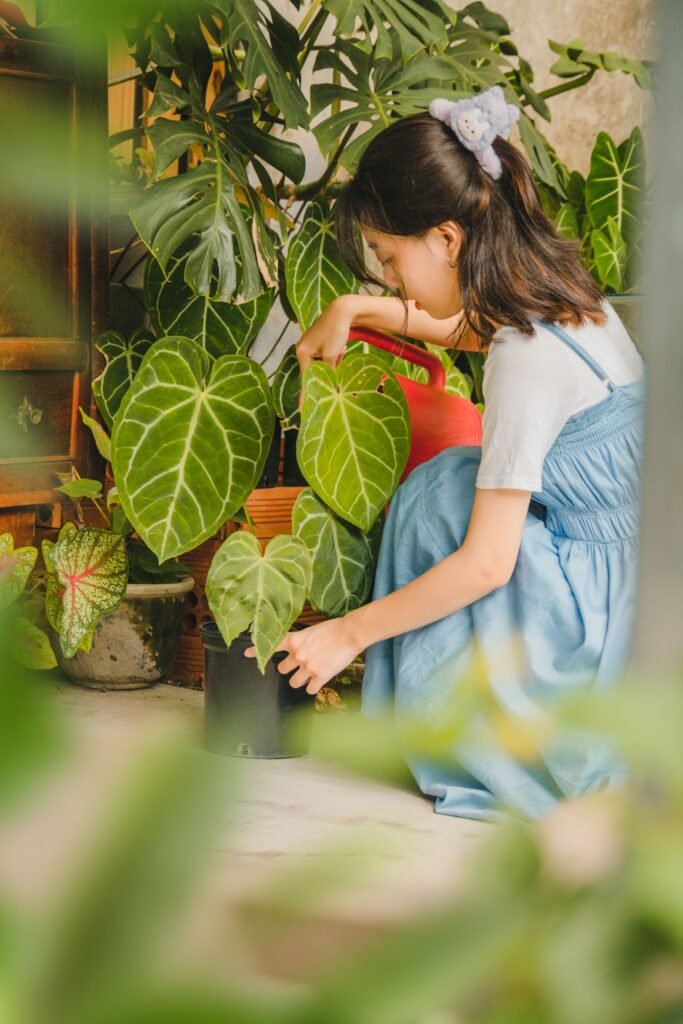
Indoor plants require regular attention.
Simple tasks include:
- Watering.
- Removing dry leaves.
- Cleaning dust from leaves.
- Providing sunlight.
- Repotting when necessary.
These routines encourage responsibility and consistency.
Watching a plant grow because of your care creates a satisfying sense of accomplishment.
Small daily actions produce meaningful results.
Plants Encourage Mindfulness
Modern life often moves quickly.
Many people spend their days rushing from one task to another.
Caring for plants encourages you to slow down.
While watering or observing new leaves growing, your attention naturally shifts away from worries.
This mindful activity helps you appreciate the present moment.
Mindfulness promotes emotional balance and inner peace.
Inspires Creativity
Nature has long inspired creative thinking.
Artists, writers, designers, and students often enjoy working in environments that include plants.
Green surroundings may encourage:
- Fresh ideas.
- Better concentration.
- Creative problem-solving.
- Greater motivation.
A refreshing workspace often leads to more enjoyable and productive work.
Creativity flourishes in calm surroundings.
Makes Small Spaces Feel Alive
Even a compact apartment can feel larger and more inviting with thoughtfully placed plants.
Small plants fit well on:
- Desks.
- Shelves.
- Kitchen counters.
- Window ledges.
- Bedside tables.
Vertical plant stands and hanging baskets maximize available space.
A little greenery adds life without creating clutter.
Every home can benefit from natural beauty.
Creates a Positive Morning Routine
Starting the day by caring for your plants creates a peaceful beginning.
Morning habits might include:
- Opening the curtains.
- Watering plants if needed.
- Checking for new growth.
- Enjoying fresh air.
- Appreciating nature.
These quiet moments encourage gratitude and positivity before the day becomes busy.
Positive mornings often lead to productive days.
Brings Families Together
Indoor gardening can become an enjoyable family activity.
Children especially enjoy:
- Watering plants.
- Learning plant names.
- Watching flowers bloom.
- Measuring growth.
- Caring for small pots.
Parents can use these moments to teach responsibility, patience, and appreciation for nature.
Shared activities strengthen family relationships.
Encourages Healthy Habits
People who care for their homes often become more motivated to care for themselves.
Plants may inspire positive habits such as:
- Keeping rooms clean.
- Opening windows regularly.
- Spending more time outdoors.
- Drinking enough water.
- Creating relaxing routines.
Healthy environments encourage healthy lifestyles.
Positive surroundings influence positive behavior.
Popular Indoor Plants
Many indoor plants are easy to care for.
Some common choices include:
- Snake plants.
- Spider plants.
- Peace lilies.
- Pothos.
- Aloe vera.
- ZZ plants.
- Rubber plants.
- Bamboo palms.
- Philodendrons.
- Succulents.
Choose plants that match your available space, lighting conditions, and level of experience.
Begin with one or two plants and gradually expand your collection.
Create Different Green Spaces
Instead of placing all plants in one area, spread them throughout your home.
Ideas include:
Living room
Large decorative plants beside furniture.
Kitchen
Small herb pots or compact greenery near windows.
Bedroom
Simple plants that create a relaxing atmosphere.
Home office
Desk plants that brighten your workspace.
Bathroom
Moisture-loving plants if natural light is available.
Each room benefits from its own touch of nature.
Combine Plants with Natural Light
Plants and sunlight complement one another beautifully.
Whenever possible:
- Open curtains during the day.
- Position plants near windows.
- Rotate pots occasionally.
- Keep leaves clean.
Natural light makes both your home and your plants healthier.
Bright spaces feel cheerful and welcoming.
Use Attractive Plant Containers
Creative containers enhance interior decoration.
Consider:
- Ceramic pots.
- Woven baskets.
- Wooden stands.
- Hanging planters.
- Decorative shelves.
Coordinating containers with your home’s style creates a balanced appearance.
Beautiful presentation adds to the overall atmosphere.
Reduce Household Clutter
Plants create the greatest impact in organized spaces.
Avoid overcrowding rooms with unnecessary decorations.
Instead:
- Keep surfaces tidy.
- Organize shelves.
- Remove unused items.
- Display plants thoughtfully.
Minimal clutter allows greenery to become a refreshing focal point.
Balance creates harmony.
Learn Patience Through Gardening
Plants teach valuable life lessons.
Growth takes time.
New leaves do not appear overnight.
Flowers bloom according to their natural seasons.
This reminds us that personal growth also requires patience.
Small daily efforts eventually produce remarkable results.
Nature encourages persistence.
Enjoy Seasonal Changes
Different plants change throughout the year.
Some bloom during specific seasons.
Others develop new leaves gradually.
Observing these changes creates excitement and appreciation for natural cycles.
Every season offers something unique.
Your home evolves along with your plants.
Create an Outdoor Connection
If you have a balcony, porch, or garden, combine indoor and outdoor greenery.
Grow:
- Flowers.
- Herbs.
- Small shrubs.
- Climbing plants.
- Decorative trees.
Moving between indoor and outdoor green spaces creates a refreshing lifestyle.
Nature becomes part of your daily routine.
Involve Children
Children learn valuable lessons through caring for plants.
They develop:
- Responsibility.
- Observation skills.
- Patience.
- Appreciation for living things.
- Curiosity about nature.
Watching a seed become a healthy plant teaches that consistent care produces meaningful growth.
These lessons extend beyond gardening.
Practice Gratitude While Gardening
Every time you care for your plants, appreciate:
- Fresh air.
- Clean water.
- Sunlight.
- Nature’s beauty.
- Your peaceful home.
Gratitude enhances the emotional benefits of gardening.
Simple appreciation creates lasting happiness.
Make Plant Care Part of Your Routine
Consistency keeps plants healthy.
Develop simple weekly habits:
- Check soil moisture.
- Remove dead leaves.
- Clean plant containers.
- Rotate pots.
- Observe new growth.
Regular attention prevents problems while strengthening your connection with nature.
Healthy routines create healthy homes.
Create a Relaxing Reading Corner
Combine books and plants to create an inspiring retreat.
Include:
- A comfortable chair.
- A small table.
- Soft lighting.
- Several green plants.
- A cozy blanket.
Reading in a peaceful environment encourages relaxation, learning, and personal growth.
Simple surroundings often produce meaningful experiences.
The Lasting Benefits of Indoor Plants
As your collection grows, you may notice:
- Greater appreciation for nature.
- Increased relaxation.
- Better organization.
- More beautiful living spaces.
- Improved daily routines.
- Enhanced creativity.
- Stronger family involvement.
- Increased happiness.
Plants quietly improve your environment every single day.
Their beauty reminds us to slow down and enjoy life’s simple pleasures.
Conclusion
Adding plants to your house is one of the easiest and most rewarding ways to refresh your mind and enhance your overall well-being. Indoor plants bring natural beauty, create a calming atmosphere, inspire creativity, and encourage healthy routines that contribute to a happier and more balanced lifestyle. From brightening a small apartment to transforming a spacious home into a peaceful retreat, greenery helps make every room feel more welcoming, comfortable, and alive. Caring for plants also teaches patience, responsibility, and mindfulness, reminding us that meaningful growth—whether in nature or in our own lives—happens through consistent care and attention.
The beauty of indoor gardening lies in its simplicity. You do not need expert knowledge or a large budget to enjoy its many benefits. A few well-chosen plants, combined with natural light, organized spaces, and thoughtful care, can significantly improve the atmosphere of your home. As you watch your plants grow and thrive, you may also notice positive changes in your own mindset, including greater calmness, gratitude, and appreciation for everyday life. By welcoming nature into your home, you create an environment that nurtures both your surroundings and your inner well-being, making every day feel fresher, brighter, and more peaceful.